By Sahil Pandey
Manila [Philippines], November 18 (ANI): The economic fallout of the West Asia conflict is increasingly being felt across Southeast Asia, with rising fuel prices and inflation putting pressure on households and businesses in several ASEAN countries, particularly the Philippines and Thailand.
The developments have added to economic challenges across the region, with governments facing growing pressure to address rising living costs. The impact has also extended to financial markets, as currencies across major ASEAN economies have weakened against the US dollar, while stock markets in countries such as the Philippines and Malaysia have witnessed declines over the past 10-15 days.
The Philippines, which relies heavily on imported fuel, has been among the countries experiencing the impact of rising energy costs, with higher transportation expenses and prices of essential commodities adding to the financial burden on ordinary citizens.
The Philippines' headline inflation rate climbed to 7.8 per cent in October 2026, up from 7.2 per cent in September, according to the Philippine Statistics Authority (PSA). Transport costs recorded an annual increase of 20.1 per cent in October, compared with 14.6 per cent in the previous month, while housing, water, electricity, gas and other fuel costs rose by 9.3 per cent.
The impact of rising prices is being felt across different sections of society, particularly among people dependent on daily earnings and businesses struggling to manage increasing operational expenses.
Michelle, the owner of a Korean barbecue restaurant, said the sharp increase in food prices had made it increasingly difficult to manage business operations.
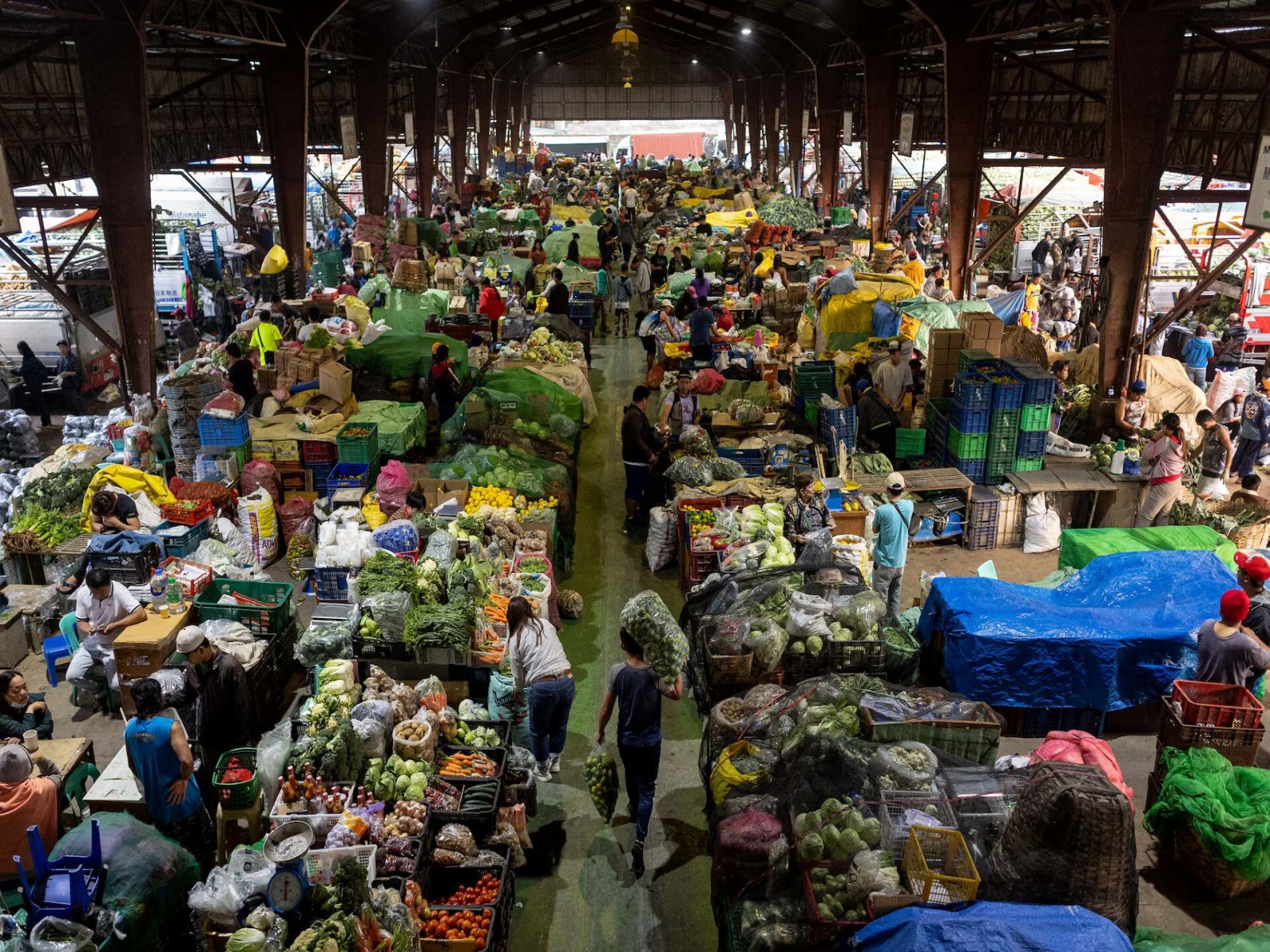
“Actually, it’s really very difficult to manage it right now because all the prices are getting really high. And when we say high, it’s like triple high. For example, before we’re ordering our lettuce for like 70 pesos per kg. Now it’s 290,” she told ANI.
She said the rising cost of ingredients had created additional challenges for restaurant owners, forcing businesses to cope with significantly higher procurement expenses.
The impact is also being felt by young professionals, with rising transportation and everyday expenses adding to the financial burden on employees.
Jorge Hendrick Pimentel, a 24-year-old IT professional, said inflation had affected ordinary necessities, including transportation and food, with the impact extending across different sections of society.
“It has impacted everyone, especially here in IT. The impact is felt as well with regards to normal necessities like transportation, everyday survival resources like food and stuff like that,” he said.
He also pointed to government initiatives, including reduced train fares and work-from-home arrangements, as measures that could help ease the burden on employees and commuters.
The pressure is particularly visible among transport workers, who are directly exposed to fluctuations in fuel prices.
Celso, a Filipino driver, said fuel prices had increased by nearly 50 per cent since the crisis began, significantly affecting his livelihood and adding to the financial burden on ordinary citizens.
“Earlier, fuel prices were around 50 to 60 pesos per litre, but now they are averaging around 85 to 90 pesos,” he said.
Highlighting the difficulties faced by lower-income households, Celso said rising fuel prices had also contributed to an increase in the cost of basic commodities, public transportation and medical services.
“The low-income segment of society is the one that has really felt the impact, the squeeze. Hardly could we catch up with inflation and the daily increase in the prices of basic commodities,” he said.
He added that the Philippines' heavy dependence on imported fuel had made the impact widespread, affecting people across different income groups.
The pressure is also being felt in the employment sector, with businesses and employees having to adjust their financial planning to cope with rising expenses.
Norlie May Maristela, who works with a hiring team, said increasing transportation costs and other living expenses had significantly affected employees' daily lives.
She said businesses were also facing higher operational costs, forcing them to manage budgets and reallocate resources to deal with the changing economic situation.
“Because of the increasing cost of transportation and other living expenses, it has a greater impact on our daily lives. We also have to manage our budgets and make adjustments to cope with the current situation,” Marcelino said.
However, she expressed optimism over the government's efforts to address the situation, including financial assistance for affected sectors and programmes aimed at providing relief.
The developments highlight the vulnerability of ASEAN economies to external energy shocks, particularly amid geopolitical tensions affecting global fuel supplies and prices.
With higher energy costs feeding into transportation, food prices and business operations, the economic impact of the West Asia conflict is emerging as a key challenge for governments across Southeast Asia, which are seeking to contain inflation, protect household purchasing power and maintain economic stability. (ANI)
West Asia conflict drives up fuel prices, inflation across ASEAN; Philippines households, businesses feel pinch