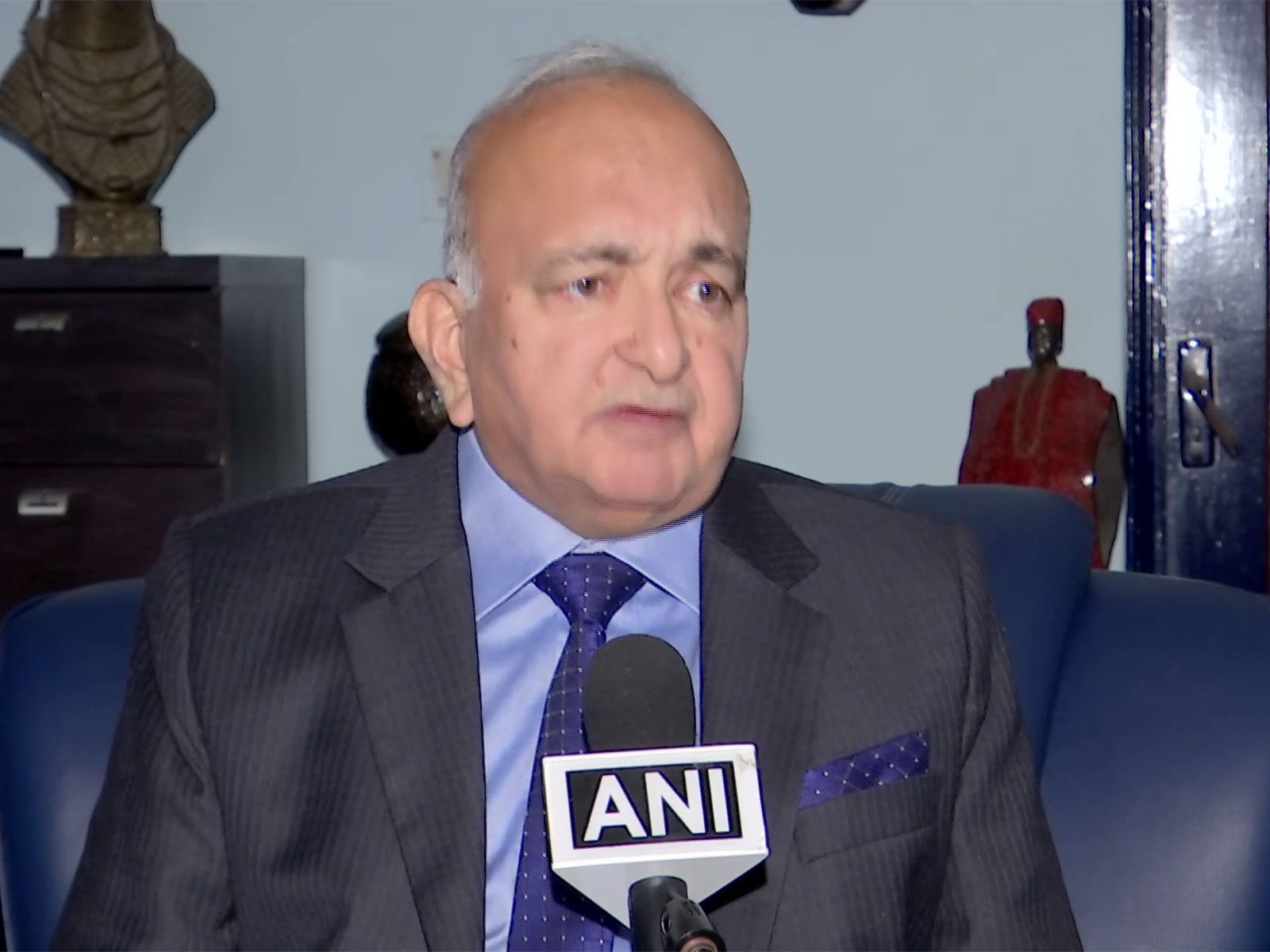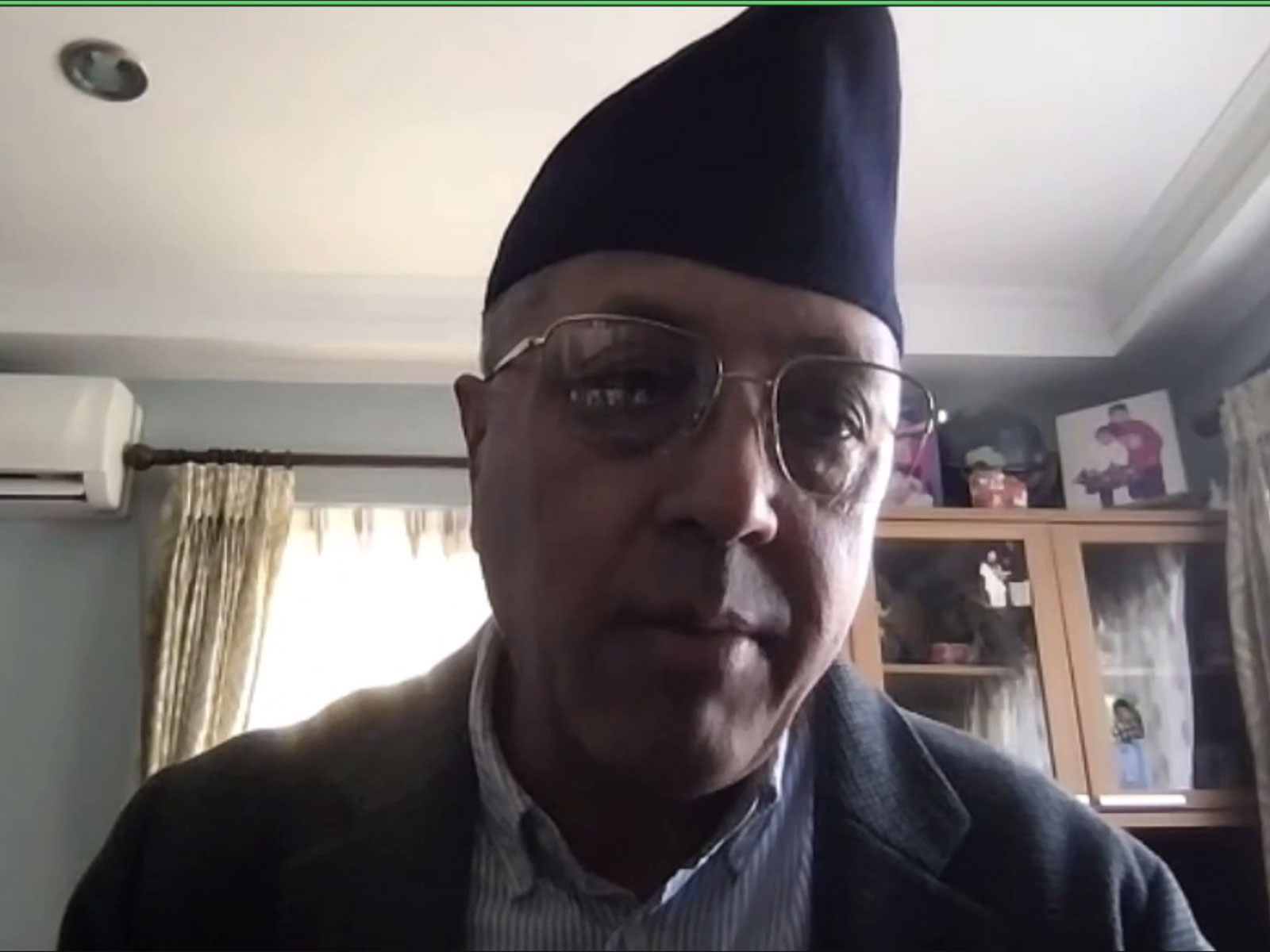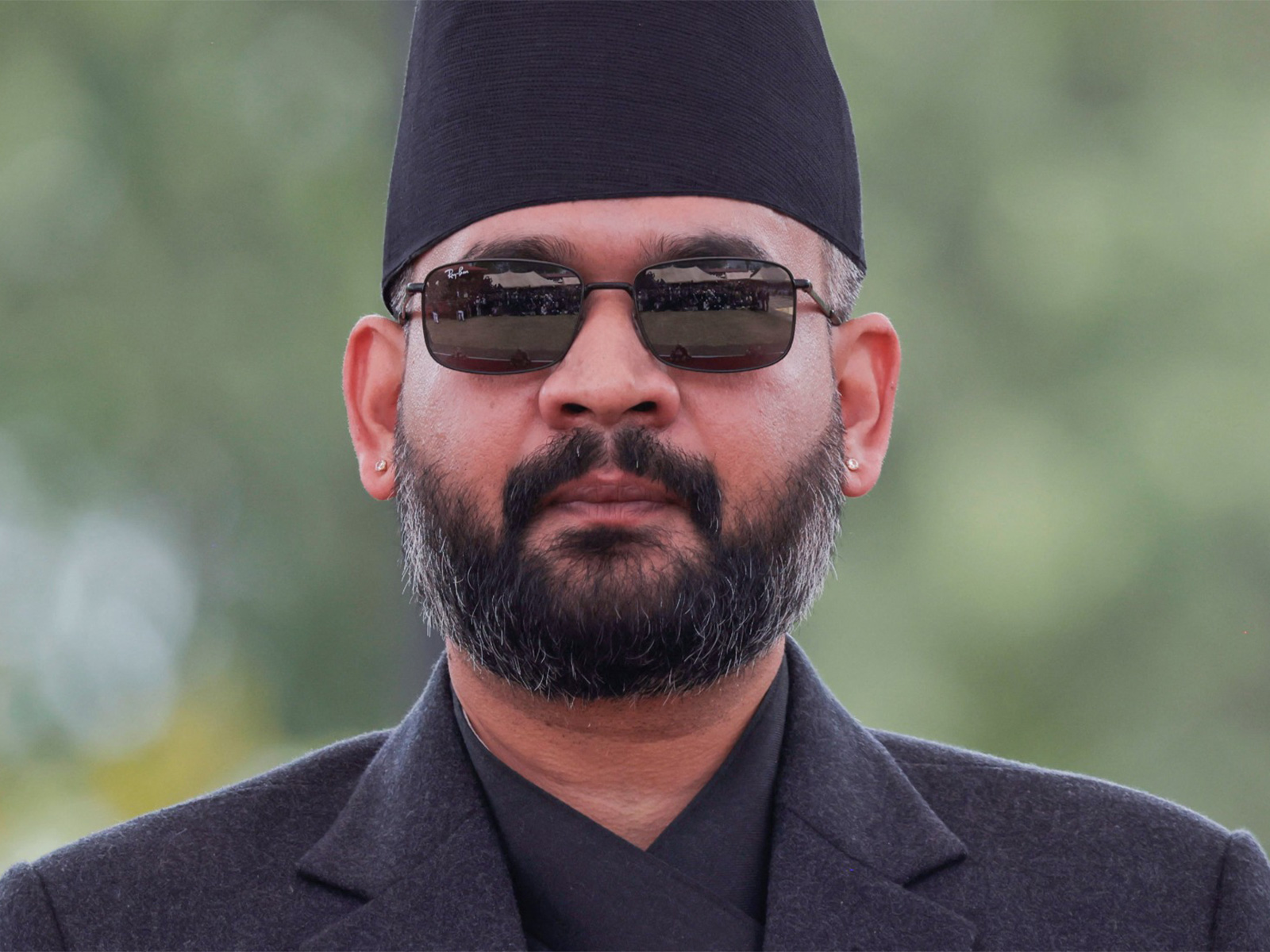
New Delhi [India], November 22 (ANI): Ahead of Nepal Prime Minister Balendra Shah's two-day State visit to India on Sunday, former Indian diplomat Mahesh Sachdeva has said the engagement will be pivotal in shaping the future trajectory of bilateral ties.
Speaking to ANI, Sachdeva noted that the trip marks Shah's first bilateral foreign visit since his Swatantra Party government came to power in March 2026, as Kathmandu's new government seeks to deepen cooperation with New Delhi.
According to the Ministry of External Affairs, Shah will call on President Droupadi Murmu and hold bilateral talks with Prime Minister Narendra Modi on November 23 to review the full spectrum of India-Nepal relations, alongside regional and global issues.
Sachdeva stressed that the visit allows Kathmandu’s leadership to set clear priorities and add fresh momentum to traditional ties. "This is the Nepalese Prime Minister's first bilateral foreign visit to India... it is taking place today and the day after, and it will be a state visit. This visit will determine the direction of India-Nepal relations and show where the new government in Kathmandu intends to take them."
Prime Minister Balendra Shah is scheduled for a two-day State visit to India from November 22–23, 2026, at Prime Minister Narendra Modi’s invitation. It is his first visit to India and his first bilateral visit abroad since taking office in March 2026.
He pointed to the political shift in Nepal following the March transition, observing, "Therefore, this visit holds immense significance. Particularly in Nepal, where their government, the Swatantra Party government that came to power earlier this year in March, is largely a government of the youth. The Prime Minister himself is a 36-year-old, politically inexperienced individual, yet he has managed state affairs with great skill so far."
"So, he has to give a new direction to relations with India, and India would also want to further deepen its traditional close ties with Nepal, infusing them with greater momentum and substance," Sachdeva said.
He also contrasted Shah’s earlier appearance at the United Nations General Assembly—a multilateral setting—with the expectations surrounding his first bilateral visit, "Since this is the Nepalese Prime Minister's first bilateral foreign visit, his earlier visit to the UN General Assembly was multilateral; there is some pressure on him regarding what concrete outcomes he brings back. I believe the Indian government is equally mindful of welcoming the honourable guest warmly and ensuring that the agreements signed positively impact Nepal's economy and society."
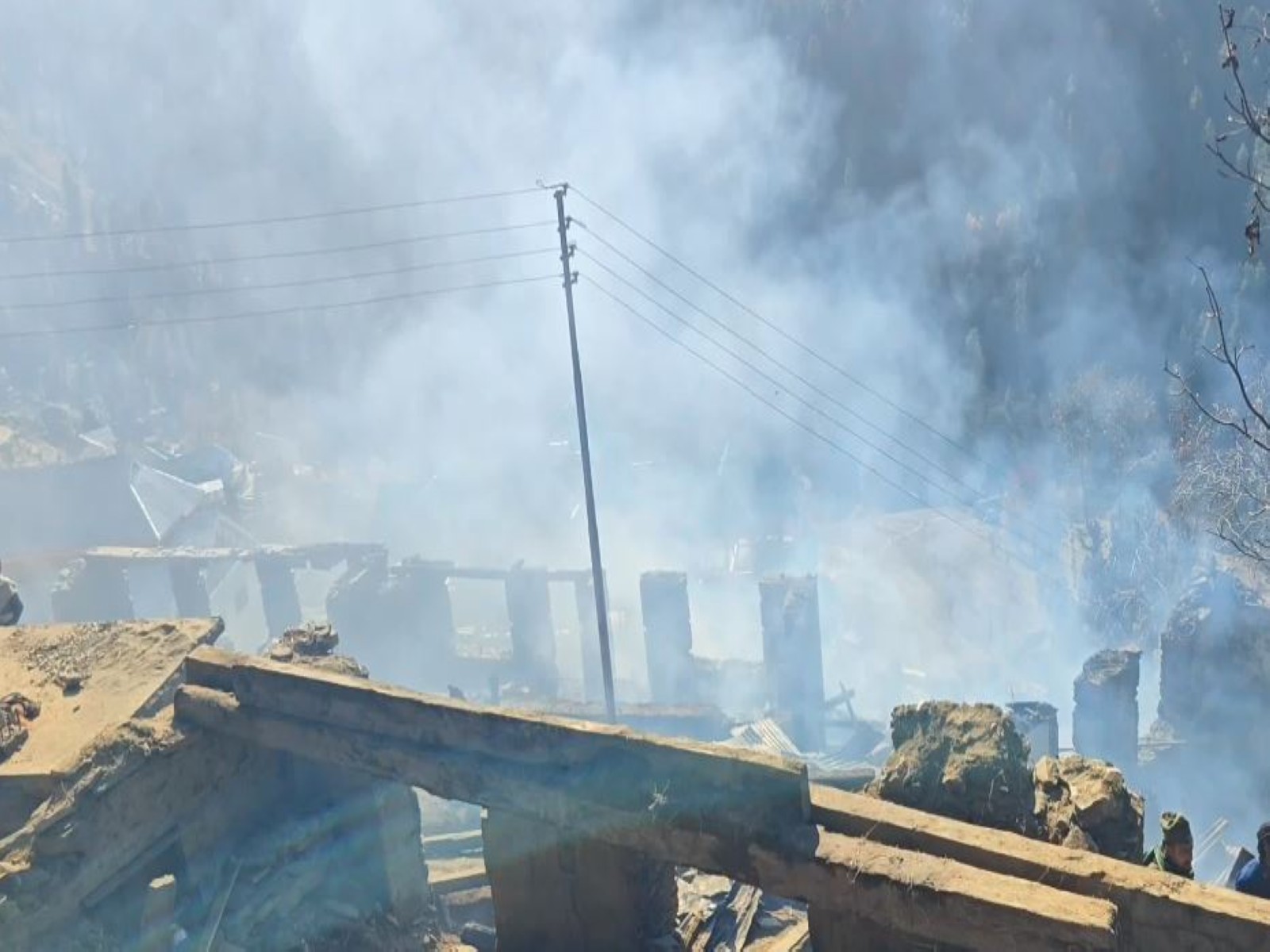
A key item on the agenda, Sachdeva said, is long-term recovery following the severe flood crisis along the China-Nepal border region, which he said caused over 1,600 deaths and nearly USD 5 billion in economic losses.
"There are several opportunities that can be capitalised upon during this visit. First, during the political transition in Nepal, certain elements attempted to give an anti-India spin to the situation. However, the new government under Mr Balendra Shah handled the matter in a very balanced manner and expressed a clear desire to strengthen relations with India. Their Foreign Minister has also visited India and met with various officials," he said.
Sachdeva cites more than 1,600 deaths and economic losses of nearly USD 5 billion from the flood crisis along the China-Nepal border region. Available reporting on the 2026 Nepal–Tibet glacial/border flood disaster places confirmed deaths in Nepal around 1,455 to over 1,500 (with thousands missing and additional casualties in Tibet), and estimates rebuilding/economic costs near USD 4.71 billion. These figures should therefore be read as approximate estimates rather than finalised totals.
"Meanwhile, a massive flood crisis occurred in the border region between China and Nepal, resulting in the deaths of over 1,600 people. This caused extensive devastation, and Nepal suffered economic losses of up to USD 5 billion. While Nepal appealed for foreign assistance and received initial positive responses, most of the aid pledged by other countries has not yet materialised," said Sachdeva.
"India has acted as the first provider throughout Nepal's crisis. Indian relief materials and services played a vital role in providing immediate disaster relief. Now, during Balendra Shah's visit, discussions will focus on how India can help Nepal over the long term to overcome this disaster. Nepal has proposed that India provide USD 2 billion in assistance to deal with this calamity, so we will have to see what decision the Indian government makes on this," he added.
Highlighting Nepal’s hydropower potential, Sachdeva said Indian capital and long-term power purchase arrangements could help generate electricity both for domestic use and export to India, noting a potential capacity of at least 10,000 MW through dam projects.
"On the other hand, there are other issues and opportunities to be discussed. Nepal holds tremendous potential for hydroelectric dams. If Nepal collaborates with India, electricity can be generated using Indian capital. Dams can be built by either the private or public sector, and the power generated can be sold to India on a long-term basis. This would provide significant economic support to Nepal. The potential capacity in Nepal is at least 10,000 megawatts through dam construction, both for domestic consumption and for export to India," he said.
India and Nepal signed a long-term power trade agreement on January 4, 2024 (a 25-year deal) envisaging the export/import of up to 10,000 MW of electricity over 10 years. Sachdeva’s remark reflects this established target capacity in bilateral energy cooperation.
He argued that past coalition instability and local or political opposition had stalled decisions, whereas Shah’s mandate offers greater room to act, "Past Nepalese governments have often dithered and failed to make decisions on this matter. Sometimes political factions would oppose India, or local populations where dams were to be built would protest. As a result, Nepal delayed these critical decisions. For several years, Nepalese governments were plagued by extreme instability. Coalitions consisted of multiple disparate parties with constant internal friction, often united solely on an anti-India stance."
"This instability was one of the reasons bilateral relations couldn't make sufficient progress. Now, Mr Balendra Shah has capitalised on the anti-incumbency wave among Nepalese youth against corruption and unemployment. They gave his Swatantra Party a massive mandate. He now has the political strength to shape relations with India without needing compromises with other political parties," Sachdeva said.
On trade, Sachdeva pointed out that annual bilateral commerce of roughly USD 9 billion remains heavily skewed in India’s favour. "Annual trade between India and Nepal stands at around USD 9 billion, heavily in India's favour. Nepal wants greater opportunities to export goods to India. Discussions can be held on setting up manufacturing industries in Nepal whose products can be exported to India," he said.
Sachdeva noted that unresolved border and map-related questions at two or three locations would need mature diplomatic handling, while flagging Nepal's push for Indian airspace access for newer airports—some built with Chinese assistance—as a sensitive strategic issue requiring a way forward.
"Furthermore, to enhance connectivity, Nepal wants flight access to India from its newer airports. The Indian government's stance on this is yet to be clarified, as several of these airports were built with Chinese assistance. Since China is a competitor to India for influence in Nepal, India faces a diplomatic dilemma here. A way forward will need to be worked out," he said.
On cultural and religious ties, he pointed to the planned passenger rail service linking Ayodhya and Janakpur, "Cultural, religious, and people-to-people ties will also be discussed. Fortunately, passenger movement on the railway line between Ayodhya and Janakpur is set to begin. Both nations will facilitate direct rail connectivity between the birthplaces of Mata Sita and Lord Ram. This is a positive step that will further deepen religious and cultural bonds," he said.
Indian Railways and bilateral officials have lined up a passenger express train service connecting Ayodhya Dham (Uttar Pradesh, India) and Janakpur Dham (Nepal), with Prime Ministers Narendra Modi and Balendra Shah set to flag it off on November 23.
According to the MEA, discussions between Modi and Shah are expected to cover development partnerships, energy, hydropower, railways, connectivity, climate change, disaster resilience, infrastructure and technology, with virtual inaugurations of completed projects and foundation stones for new ones. India remains Nepal’s largest trade, transit and investment partner—accounting for nearly one-third of its foreign direct investment—and both sides have a long-term power trade framework envisaging Indian electricity imports of up to 10,000 MW over 10 years. (ANI)
"Visit will determine direction of India-Nepal relations: Former diplomat Mahesh Sachdeva ahead of Balendra Shah’s trip