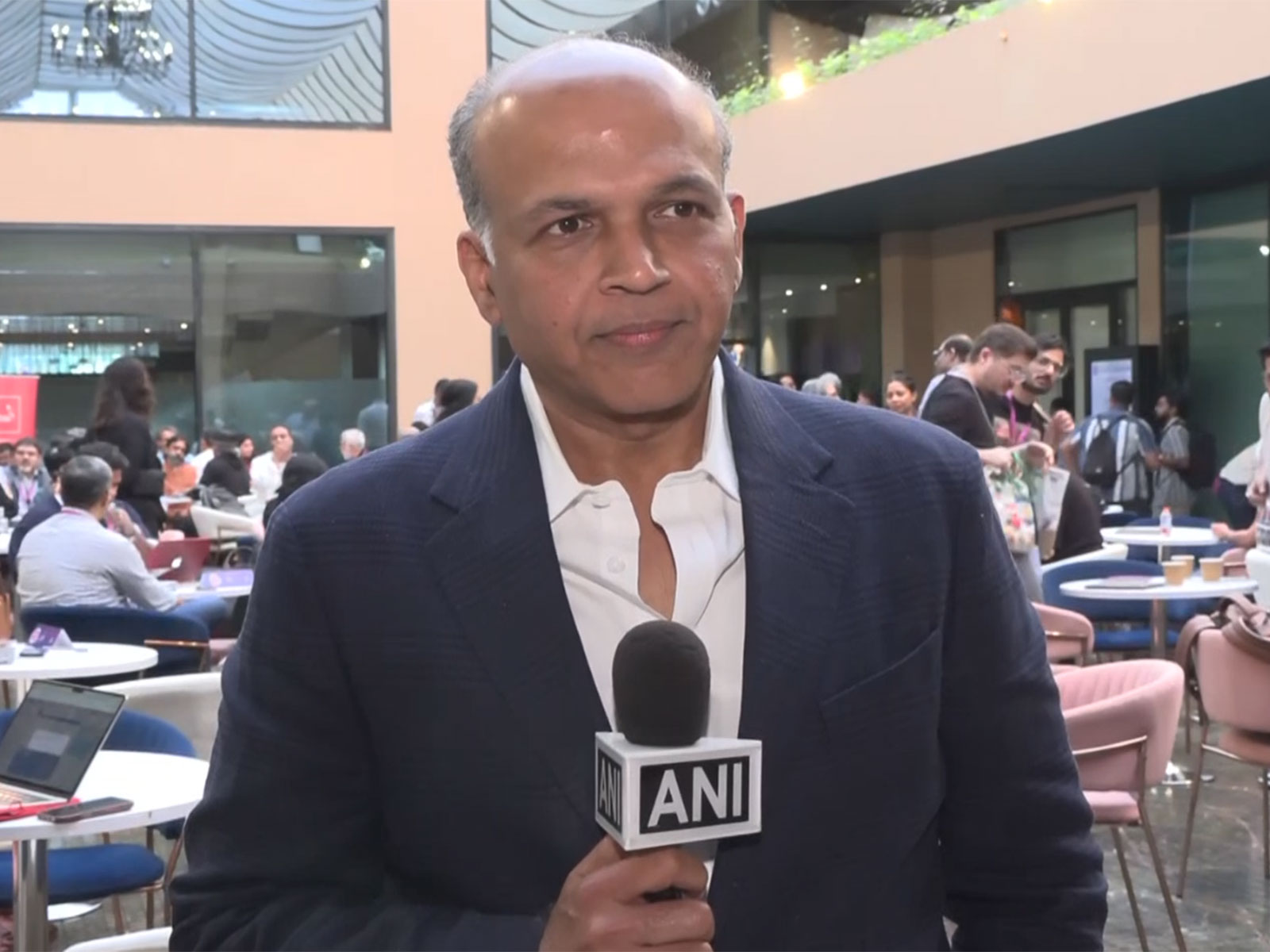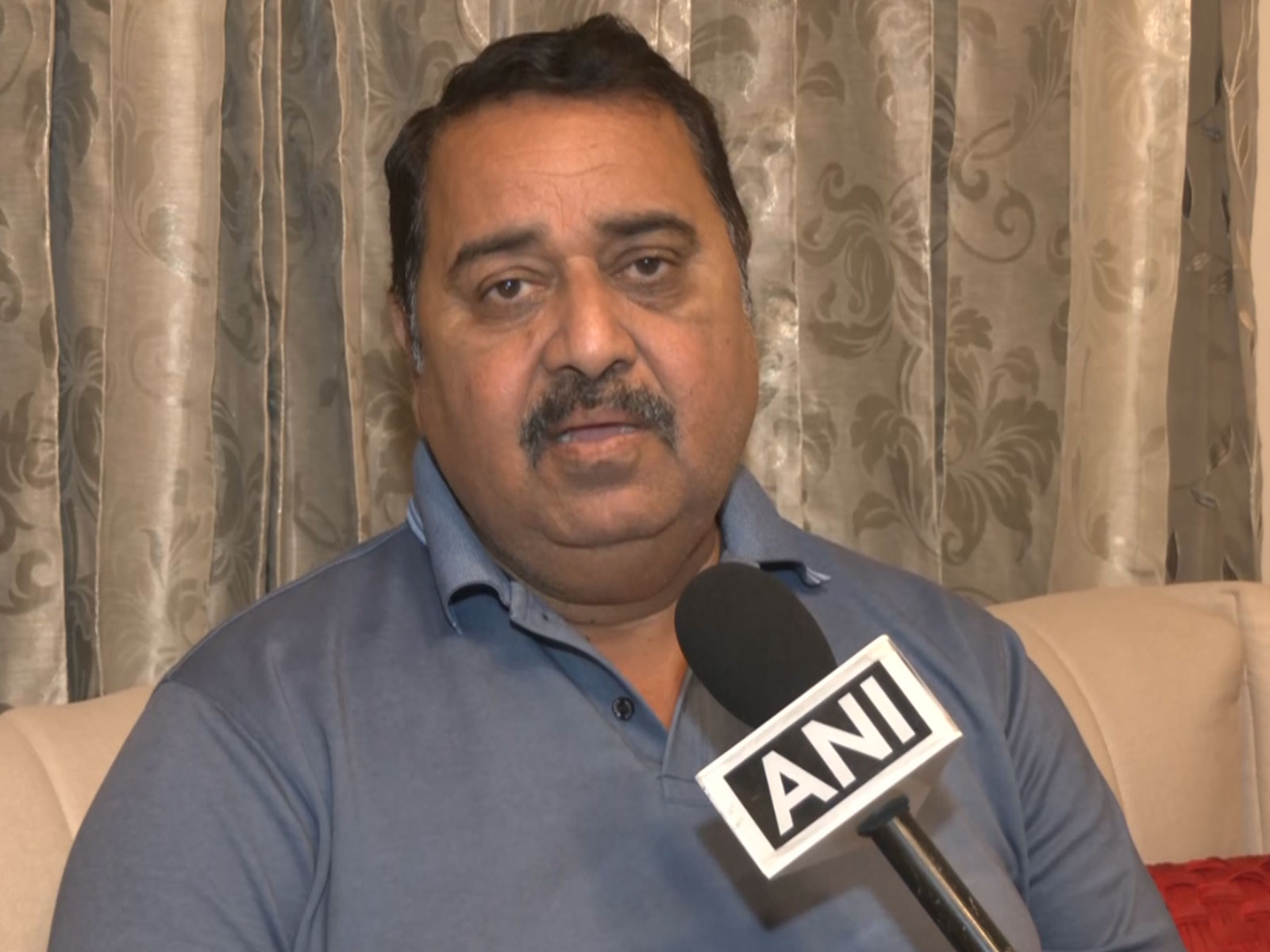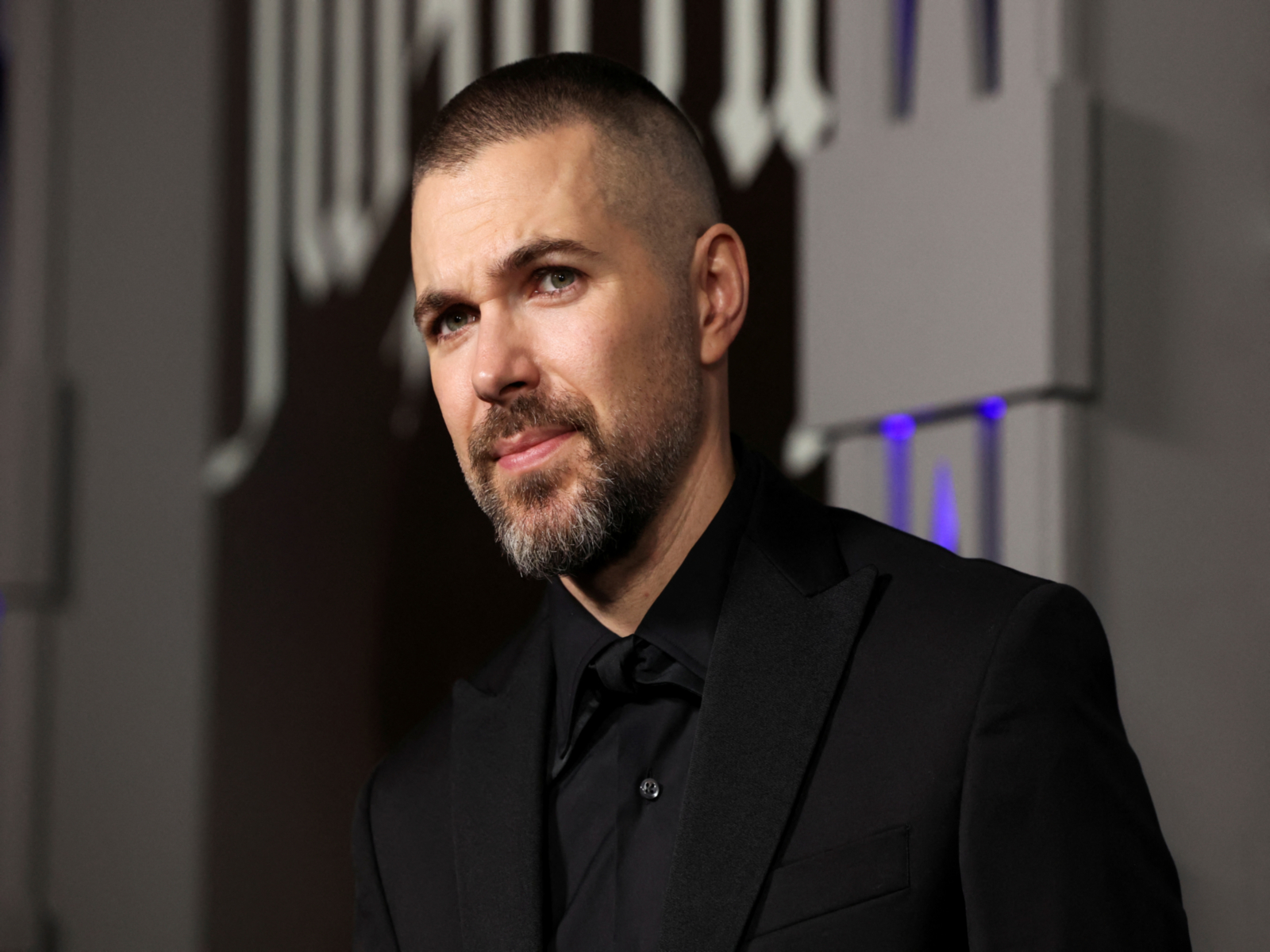
Panaji (Goa) [India], November 23 (ANI): Filmmaker and 57th International Film Festival of India (IFFI) Festival Director Ashutosh Gowariker reflected on the 25-year journey of his acclaimed film 'Lagaan', recalling the challenges of shooting in Bhuj and expressing gratitude to audiences for keeping the film alive across generations.
He also spoke about his association with IFFI, its evolution and his vision for the festival, while sharing his plans to explore different formats of filmmaking, including web series and documentaries.
‘Lagaan: Once Upon a Time in India’ is a 2001 sports drama film, written and directed by Ashutosh Gowariker. The film was produced by Aamir Khan, who stars alongside Gracy Singh and British actors Rachel Shelley and Paul Blackthorne.
Speaking about the film's enduring popularity, Gowariker said he was elated that 'Lagaan', released in 2001, continues to receive affection from audiences even after 25 years. He said the film has found new audiences over the years, with the generation that watched it upon its release introducing it to subsequent generations.
"Well, I feel very elated that 'Lagaan' is still being liked. When we made the film, we were making it with the intention that the film is liked by the audience then in 2001. And now over the years we've realised that the film got introduced by that generation that saw it to the next generation and to the next generation. And people are liking it," he told ANI.
The filmmaker expressed gratitude to the audiences for their continued affection and acknowledged the contribution of the film's cast and crew, particularly actor Aamir Khan, who not only agreed to play a role in the film but also came on board as its producer.
He also remembered late producer Jhamu Sugandh, whose financial backing, he said, was instrumental in bringing the project to fruition.
"I'm filled with gratitude for the audiences for giving it so much love. I also feel gratitude for my entire cast and crew, who became a part of the film and gave the film all their talent to make the film believable. Especially Aamir, who said yes to the role, not only said yes to the role, he also produced it. And of course the late Jhamu Sugandh ji, without whose backing, his funding, we could not have made the film," Gowariker said.
Recalling the making of 'Lagaan', the director said the experience of shooting in Bhuj was particularly challenging, as the team had to endure extreme weather conditions while simultaneously establishing the necessary infrastructure for filmmaking at the location.
He said the shooting began on January 6 and concluded on May 20, with the crew experiencing both winter and intense summer conditions during the production.
"We really went through the cold and the heat while we were shooting in Bhuj. So we started shooting on January 6 and we wrapped the film by May 20. And we really acclimatised, but still we saw the winter, we saw the summer, we saw the hot summer, and all through this we were just focusing on making the film," he said.
Gowariker further recalled that Bhuj did not have an established filmmaking base or production support at the time, forcing the team to create the necessary facilities from the ground up.
"There was no filmmaking base over there or there was no filmmaking support of any kind over there. We had to go there and build everything from scratch," he said, adding that the making of 'Lagaan' was as challenging and significant as the story the film sought to tell.
He also referred to the separate film made by Satyajit Bhatkal documenting the making of 'Lagaan', saying the process behind the film deserved as much attention as the film itself.
Reflecting on his broader journey in cinema, Gowariker said perseverance, persistence and hard work remain indispensable for filmmakers, regardless of the number of films they have made, as every new project brings its own challenges.
"Looking back at my journey, I feel I want to look ahead first of all, how I'm going to now navigate my next phase from here on. I feel there is no replacement for perseverance, persistence, hard work, being there at the right place at the right time because you need also a luck factor. And that is applicable to a filmmaker regardless of how many films he's made, he or she has made because every film is a new challenge," he said.
Looking ahead, the filmmaker said he wants to expand his creative work across different formats, including producing films, making web series and documentaries, while continuing to direct his own projects.
"I want to multitask a lot. I want to, while I'm directing my own film, I also want to produce. I want to make web series, I want to make documentaries. I want to try and see what are the different genres that I can do within my company," he said.
Meanwhile, speaking about his new responsibility as the Festival Director of the 57th International Film Festival of India (IFFI), Gowariker described the opportunity as an honour and said he accepted the responsibility to contribute to one of the country's premier film festivals.
Gowariker said his association with IFFI goes back to 1984, when he attended the festival for the first time as an actor with Ketan Mehta's film 'Holi'. He said he had subsequently attended the festival as a filmmaker with his films, but this year marked his first appearance in the capacity of Festival Director.
"IFFI has a great, great legacy. It is the 57th year and it is easily one of the oldest festivals in the world. It's a festival that belongs to one of the biggest industries in the world. So definitely it's a great responsibility," he said.
Explaining his decision to take up the responsibility, Gowariker said the Ministry of Information and Broadcasting approached him to become the Festival Director even as he was developing his own films, web series and other projects.
He said his experience of attending international film festivals, including Locarno, Venice, Toronto and Cannes, also encouraged him to contribute towards strengthening India's own film festival.
"Here is an opportunity to do something for our festival in whichever way I can. So, I found myself saying yes," he said.
Speaking about the initiatives introduced at this year's festival, Gowariker said animation has been included as a segment for the first time, while documentaries have also returned to the festival's programming.
He said the festival was also making efforts to give greater prominence to student filmmakers, emerging filmmakers and young talent.
Gowariker further emphasised that film festivals play an important role in bringing together international cinema and films from different regions of India, allowing audiences to explore stories beyond their usual linguistic and regional preferences.
"In a festival what happens is you tend to watch cinema from the world and from the different regions within the country. So it's not just about internationalism, it's also about national, how the regional cinema is developing, how it's coming up with its own films, its own stories. So to have that blend is very important once a year," he said.
He added that film festivals also provide an important platform for the film market, helping films find opportunities for screenings across different regions and international markets.
"I think we are at a very vibrant phase for Indian cinema right now with our festival," he said.
The 57th edition of IFFI is being held in Goa from November 20 to 28. (ANI)
“‘Lagaan’ still receiving love exactly as it did in 2001": Ashutosh Gowariker reflects on film’s 25-year journey at IFFI 2026