PNN
Bengaluru (Karnataka) [India], November 16: Language for Indian families is more than a means of communication. It is the language we use with our grandparents, the phrases only heard at home, the stories told during childhood and often the quiet connection to where a family comes from.
But as children grow up, that connection can sometimes become weaker. They may understand their mother tongue but not read or write it. They may speak it at home but struggle to use it confidently. Or they may study an Indian language at school without ever becoming truly comfortable with it.
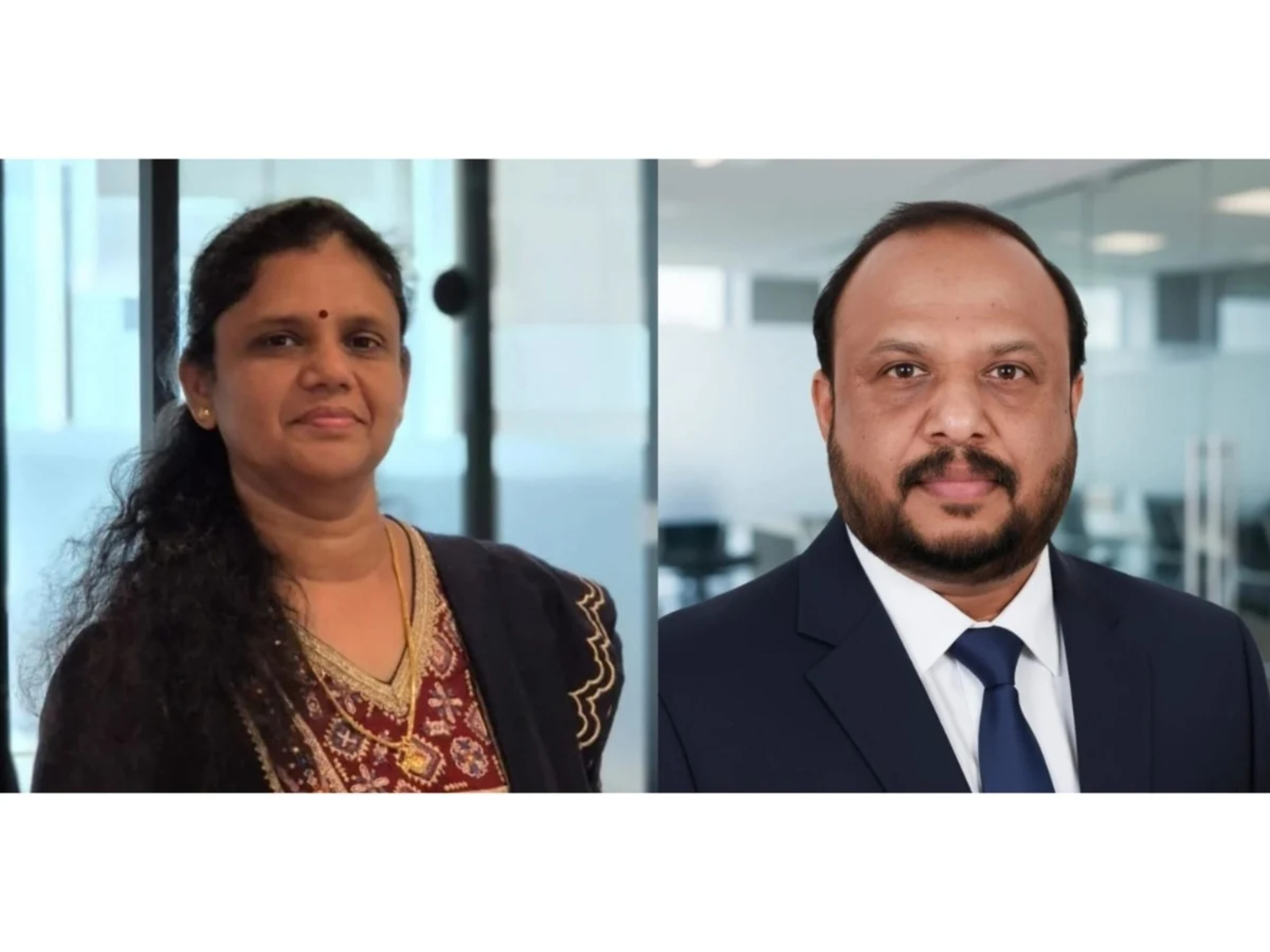
It was this connection between language, learning and identity that led Santhosh and Jaya to start LanguageVeda.
“Indian languages deserve to remain a meaningful part of the next generation’s lives, both inside and outside the classroom.” Jaya, Founder & Academic Programs Director
Long before LanguageVeda became an online learning platform, there was a teacher who spent years teaching Indian languages to children in person.
Jaya’s mother believed that teaching a language was about more than grammar, vocabulary or completing a textbook. It was about helping children understand and use a language that was already part of their homes and communities.
That belief became an important part of Jaya’s own journey.
With more than 24 years of experience as a teacher, Jaya has spent much of her professional life understanding how children learn and what helps them become more confident.
Santhosh looked at the idea from a different direction.
With more than 20 years of experience across technology, business and digital transformation, he saw an opportunity to use technology to make quality language learning accessible beyond the traditional classroom.
The two perspectives came together around a simple question:
What if technology could make good Indian language teaching accessible to more learners without losing the human connection at the heart of learning?
That question became the foundation for LanguageVeda.
Academic Language Learning Is at the Heart of the Journey
For many children, an Indian language is part of their school curriculum. But learning a language academically should be more than memorising textbook answers before an examination, this is where most students suffer.
The focus is on helping students understand the language, work systematically with their school curriculum, practise regularly and become more confident in using what they learn.
The idea is simple: a language subject should be learned as a language, not just prepared for as an exam.
That academic focus sits alongside LanguageVeda’s spoken and practical language programmes, allowing learners to approach Indian languages for different needs and at different stages of life.
“Language learning is personal. One student may understand grammar but struggle with writing. Another may be comfortable speaking but find reading difficult. An adult may want to reconnect with a language they heard throughout childhood but never formally learned. This is where LanguageVeda comes in.” Santhosh, Co-Founder & CEO
For Santhosh and Jaya, LanguageVeda is ultimately an attempt to bring together two things that don’t always meet easily: the human value of language and the possibilities of technology.
They want children to be able to learn an Indian language with the same seriousness with which they approach other subjects.
They want adults to have an accessible way to learn a language they may have lost touch with.
And they want families to have a way to keep a part of their linguistic heritage present in everyday life.
Because when a child learns a language, they aren’t only learning words.
They are gaining another way to read, think, express themselves and connect with people around them.
That is the idea at the heart of LanguageVeda.
Not simply teaching Indian languages.
Helping people learn them, use them and stay connected to them.
Learn. Speak. Belong.
(ADVERTORIAL DISCLAIMER: The above press release has been provided by PNN. ANI will not be responsible in any way for the content of the same.)
Jaya and Santhosh Are Helping a New Generation Stay Connected to Indian Languages