Shimla (Himachal Pradesh) [India], November 19 (ANI): The Himachal Pradesh State Electricity Board (HPSEB) Employees’ Union strongly opposed changes in the board’s recruitment and promotion (R&P) rules, alleging that the amendments were being introduced without consulting all affected employee categories.
The union on Wednesday also demanded the restoration of the Old Pension Scheme (OPS) for nearly 9,000 board employees, an end to outsourcing and the initiation of regular recruitment to fill vacant posts.
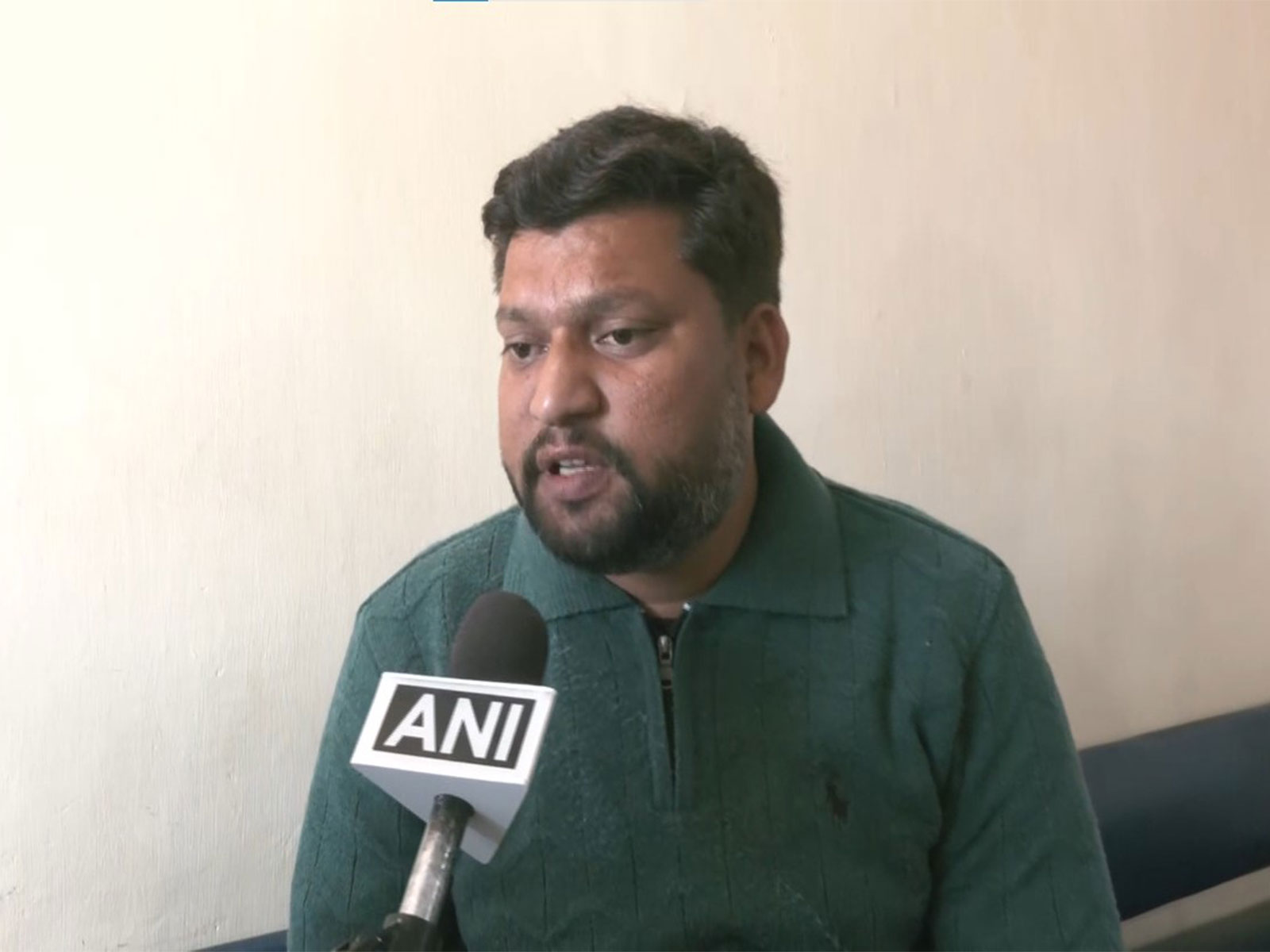
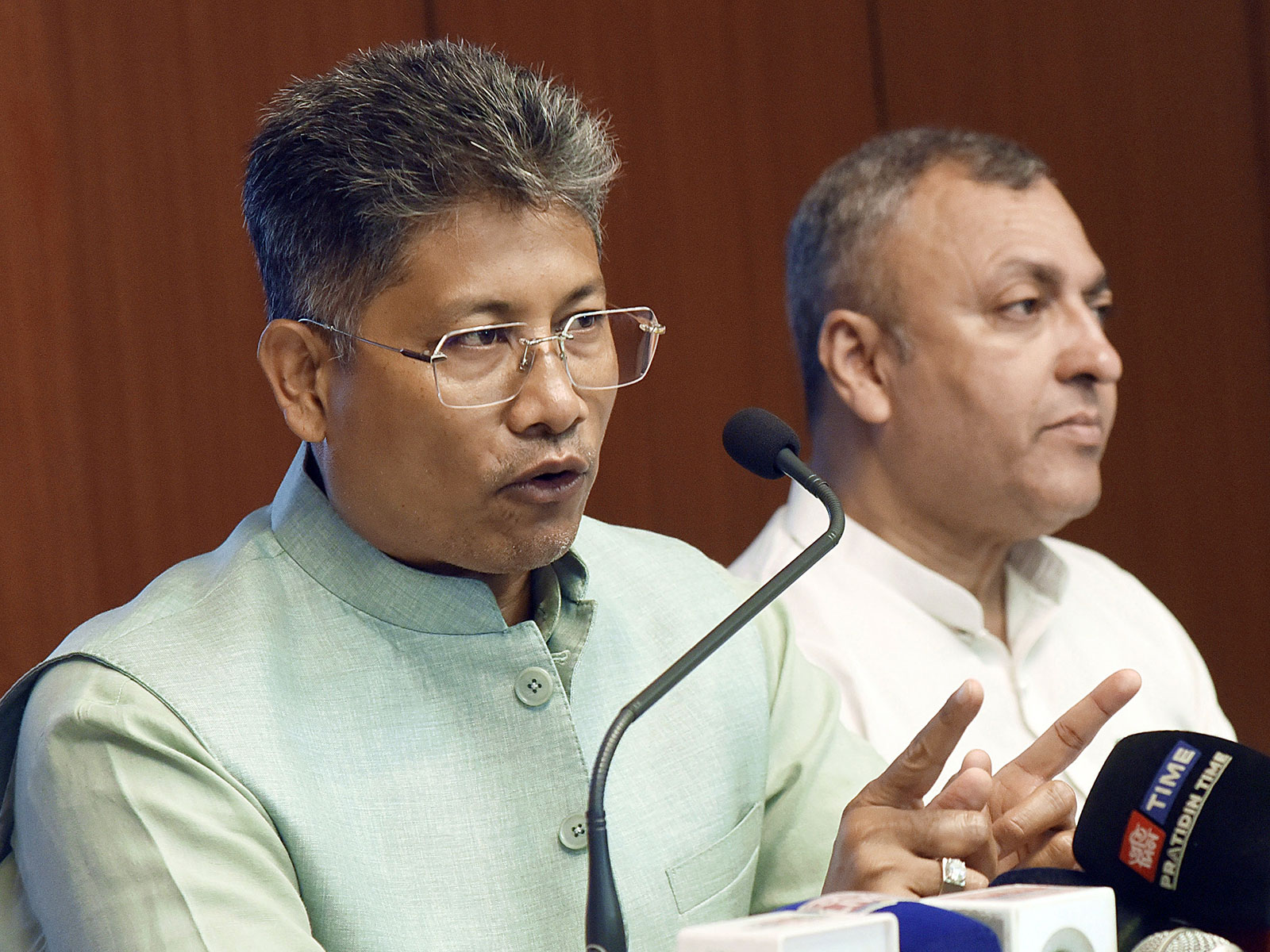
Addressing a press conference here, union state president Nitish Bhardwaj warned that the employees’ body would decide on an agitation if the board management failed to review the revised promotion rules and address employees’ concerns.
Opposing the changes in promotion rules, Bhardwaj said the R&P rules, which had been in place for more than five decades, were being altered without taking all stakeholders into confidence. He alleged that the promotion quota of certain employee categories was being reduced and redistributed to degree and diploma holders, adversely affecting experienced employees who had risen through the ranks after serving the board for nearly 30 years.
He pointed out that the electricity board had several categories, including non-ITI, ITI and drawing cadre employees, and maintained that the management should hear all affected groups before taking any decision.
Bhardwaj argued that employees who had worked at the grassroots level possessed extensive practical knowledge of electricity lines, substations and the functioning of the power distribution system. Instead of reducing their promotional opportunities, their experience should be recognised and given greater weightage.
He alleged that the quota of certain categories, including the drawing cadre, had been reduced while opportunities were being increased for degree and diploma holders. The union demanded an immediate review of the decision, warning that it would launch an agitation if its concerns remained unaddressed.
Demanding restoration of OPS, Bhardwaj said nearly 9,000 electricity board employees continued to remain outside the old pension framework, despite the state government having extended OPS benefits to around 1.36 lakh employees.
He said the CCS Pension Rules, 1972, were adopted by the electricity board in 1974 and subsequent amendments made by the state government in several service-related matters had also been adopted by the board. However, amendments concerning the restoration of OPS had not yet been implemented for board employees.
The union, he said, had been pursuing the demand with the Chief Minister and board management for the past four years through meetings, protests, rallies and demonstrations.
Bhardwaj said the Chief Minister had assured the union of his commitment to restoring OPS for electricity board employees, and expressed hope that the government would fulfil the assurance soon.
"Today, the biggest demand of electricity board employees is the restoration of the Old Pension Scheme. While around 1.36 lakh state government employees have been brought under OPS, nearly 9,000 electricity board employees are still deprived of this benefit. The Chief Minister has assured us of his commitment, and we hope the government will fulfil this promise soon.” Bhardwaj Said.
Opposing outsourcing, the union demanded regular recruitment and an end to handing over electricity lines and substations to private contractors. Bhardwaj said generations of electricity board employees had worked under extremely difficult geographical conditions to extend electricity infrastructure to remote and inaccessible areas of Himachal Pradesh.
He alleged that the same infrastructure was now increasingly being outsourced, despite the availability of trained and experienced personnel within the department.
Raising concerns over the safety and welfare of outsourced workers, he said electricity-related work was inherently hazardous, and several outsourced employees had suffered serious accidents, while some had lost their lives. In certain cases, families had reportedly sold their land to meet treatment expenses, but had received no adequate financial assistance from either the government or the board management.
He demanded a comprehensive policy to provide outsourced workers with financial assistance, compensation and employment support for their dependents in the event of accidents or fatalities while performing official duties, on lines comparable to the provisions available to regular employees.
Bhardwaj maintained that regular recruitment of technically trained personnel would strengthen the electricity distribution system, generate employment opportunities for educated youth and help ensure reliable and affordable electricity for consumers and industries.
The union also objected to the centralisation of administrative powers, particularly matters relating to promotions and transfers, which it said were earlier handled by the respective cadre-controlling authorities, including Executive Engineers, Superintending Engineers and Chief Engineers.
“Our union strongly opposes changes in the promotion rules without consulting all affected categories. Employees who have served the board for 30 years and possess extensive practical experience in handling electricity lines and substations should not have their promotional opportunities curtailed. If the decision is not reviewed in time, the union will decide on an agitation.”He further said.
Bhardwaj alleged that files relating to promotions and transfers were increasingly being referred to the Chief Minister’s Office, resulting in delays of two to three months. He claimed that such delays were creating administrative complications and disturbing seniority positions, with some junior employees allegedly moving ahead of their seniors due to pending files.
He warned that the situation could lead to litigation, creating avoidable legal and administrative complications for the board.
The union demanded that the powers of the respective departmental authorities be restored so that routine administrative matters could be decided at the appropriate level, while issues requiring the Chief Minister’s intervention could continue to be referred to his office.
Reiterating the union’s position, Bhardwaj said the electricity board was an institution established to serve the people and should not be treated as an experimental laboratory for repeated policy changes. (ANI)
HPSEB employees' union demands ops restoration, regular recruitment; opposes changes in promotion rules