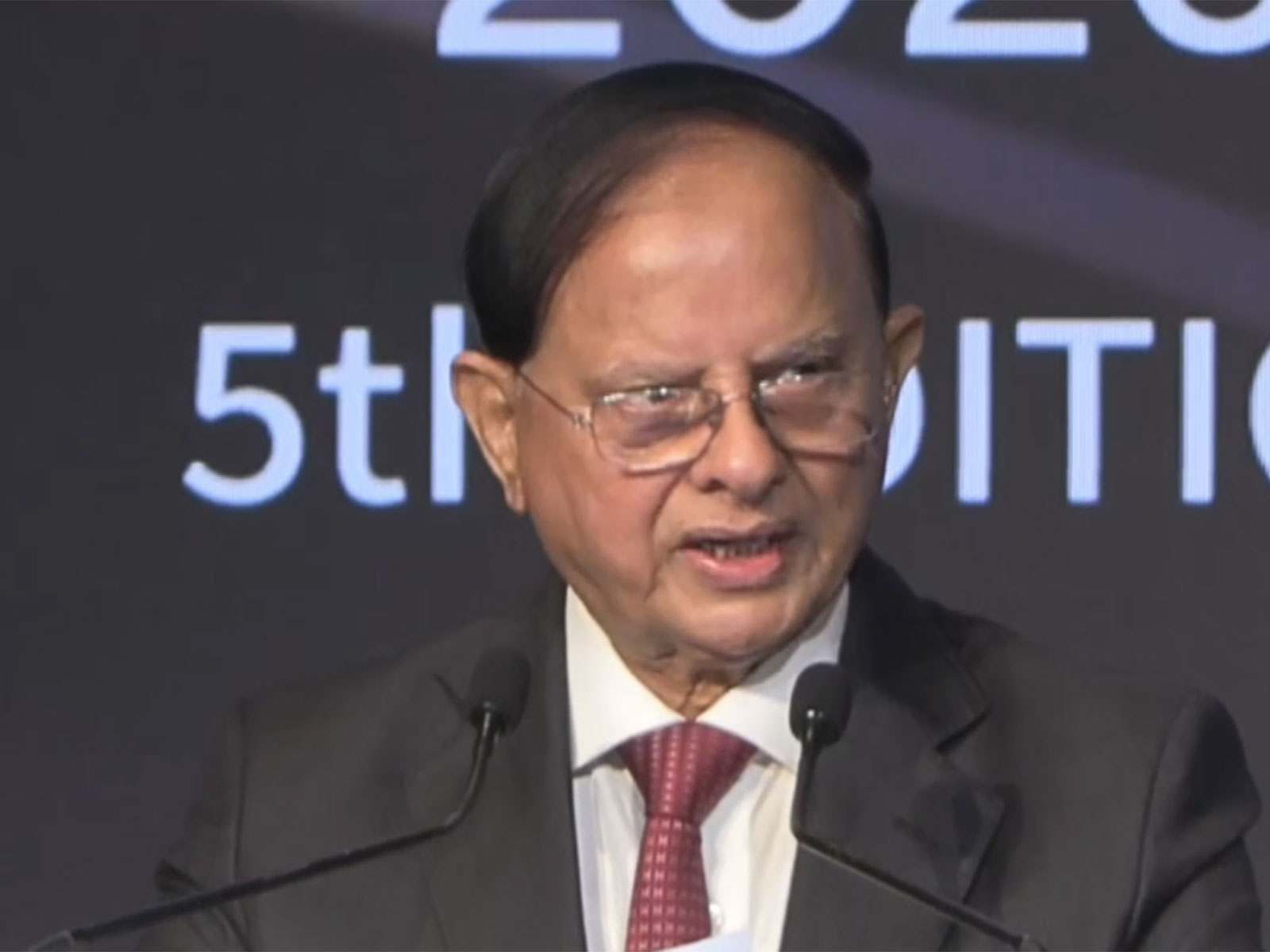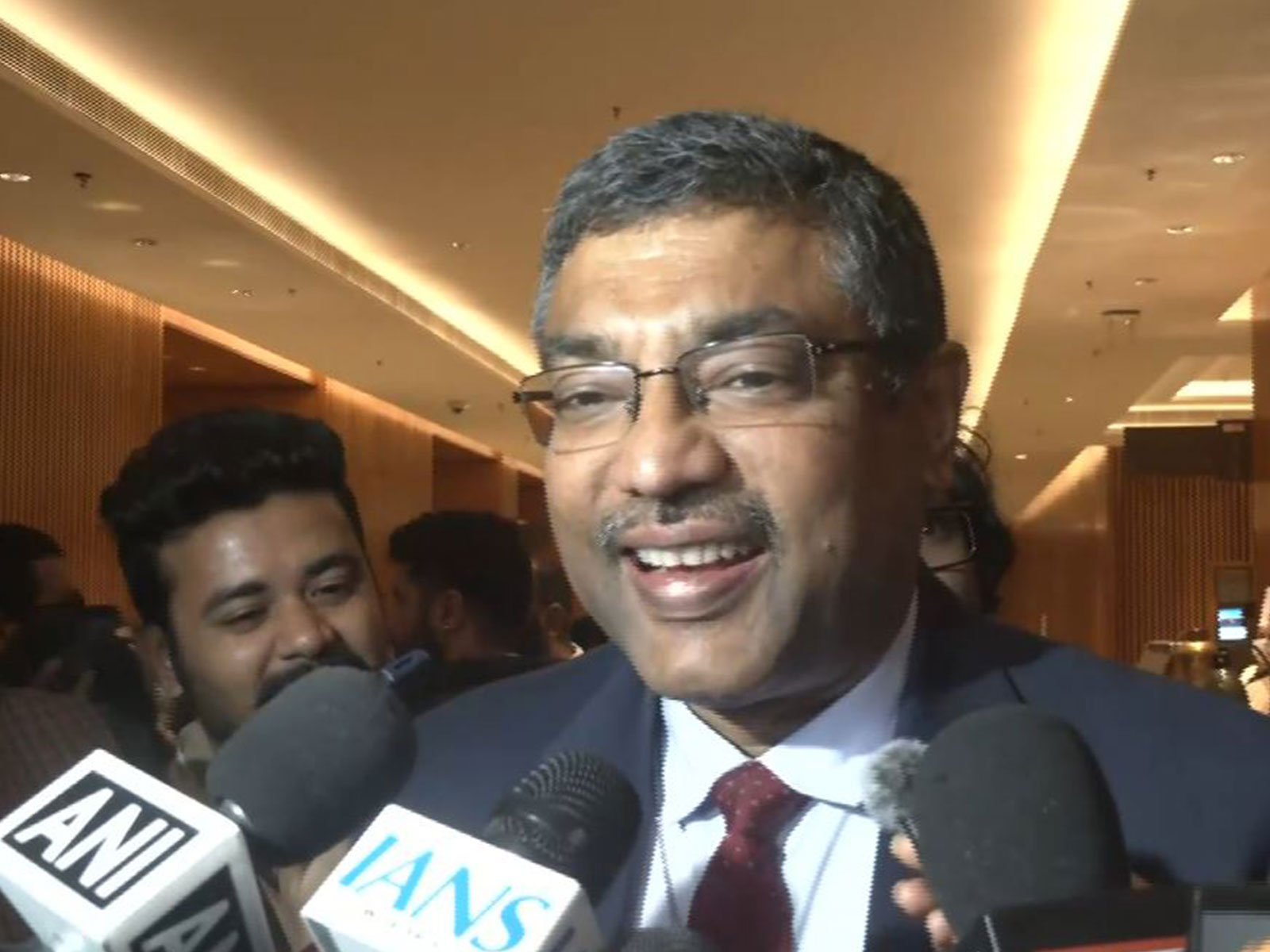
New Delhi [India], October 3 (ANI): India’s push for economic resilience should not mean insulating itself from global markets, said PK Mishra, Principal Secretary to the Prime Minister, highlighting that domestic production may be costlier than sourcing from the cheapest global markets.
Addressing the 5th Kautilya Economic Conclave, Mishra said the benefits of building domestic capacity become evident during periods of disruption.
“Domestic production may cost more than importing from the cheapest global stores. The benefit is realized only when the disruption occurs,” he said, adding, “resilience cannot be insulation from the world. It has to mean the ability to remain open to the world without becoming excessively vulnerable to it.”
Mishra noted that uncertainty changes economic behaviour as businesses respond to an increasingly unpredictable future by postponing investments, diversifying suppliers, holding larger inventories and maintaining spare capacity.
Governments similarly build reserves, strengthen fiscal buffers and invest in capabilities that may appear costly in normal times but become valuable during shocks, underscoring that building resilience comes at an additional cost.
“This means they pay additionally for resilience. This is what we are increasingly seeing across the world today, as economists tell us resilience is not free,” he said.
Against this backdrop, he stressed the importance of appropriately pricing risks while balancing the additional costs that economies can afford to bear for greater resilience. Explaining how risks are assessed, Mishra pointed to two broad approaches.
The traditional approach considers the range and probability of possible outcomes, including both gains and losses, while the second focuses on the probability of returns falling below a critical or “disaster” level.
As per Mishra, “the second approach is being adopted by many countries today.”
At the same time, Mishra cautioned against pursuing domestic manufacturing merely as a substitute for imports, stressing that resilience must go hand in hand with productivity and competitiveness.
“The purpose of building domestic capability cannot simply be to replace imports at any cost. The ultimate objective has to be to create capabilities that are competitive, scalable, and eventually export-oriented,” he noted. (ANI)
Economic resilience cannot mean global insulation; domestic production “may cost more”: Principal Secy to PM