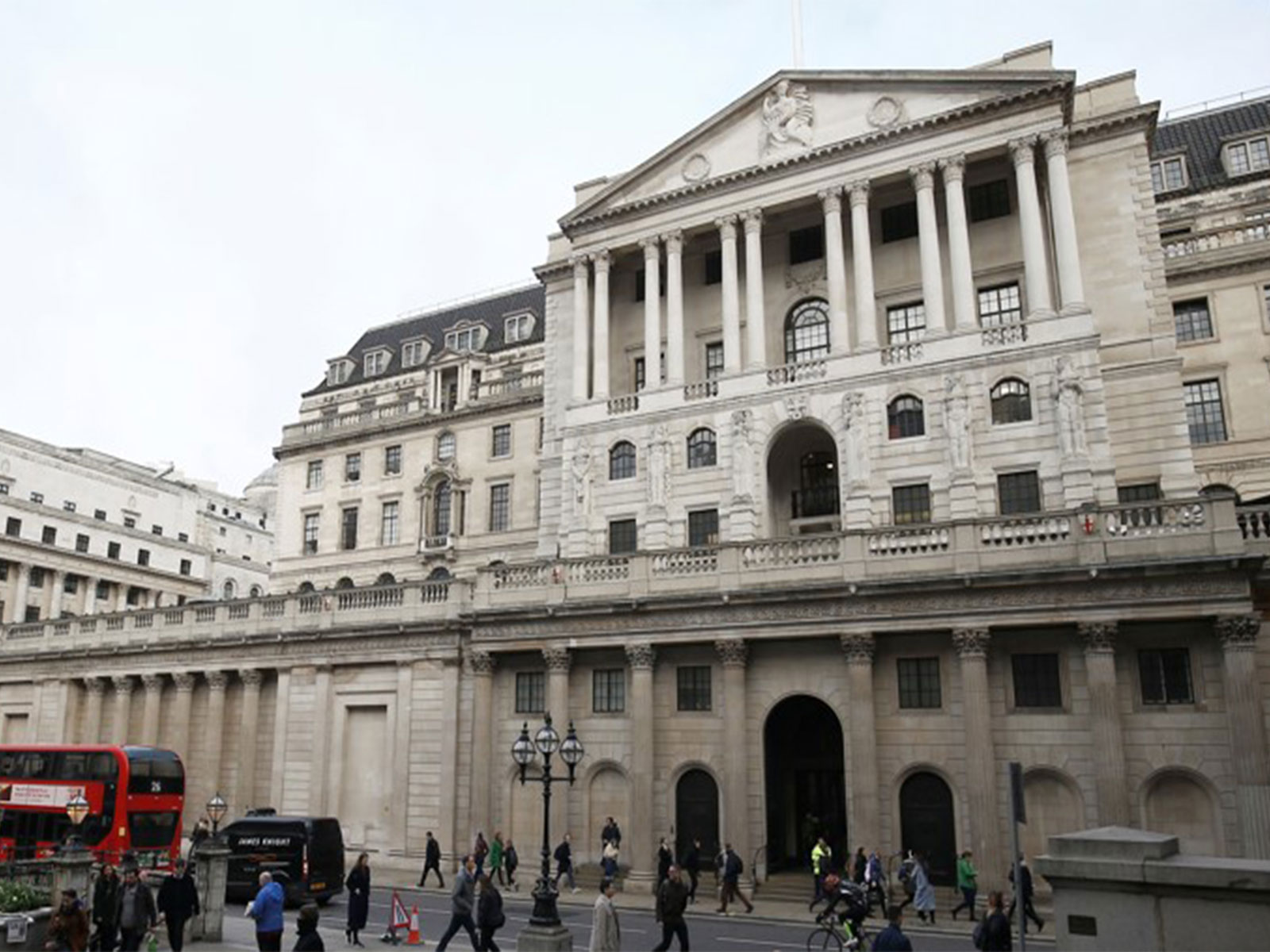
London [UK], September 30 (ANI): The rapid growth in artificial intelligence (AI)-related investment is increasing financial stability risks as more of the spending is being financed through debt and private credit, the Bank of England's Financial Policy Committee (FPC) said.
The FPC noted that AI-related financing had continued to grow rapidly and was expected to remain on a strong upward trajectory. The growing use of debt to fund AI investment means developments in the sector could increasingly affect a wider range of investors and funding markets.
It stated, “Concerns about the sustainability of AI-related earnings and capital expenditure growth may have contributed to market sentiment. The risk of a sharper correction with spillovers to core markets persisted”.
According to the latest meeting record, global AI-related debt issuance was estimated at around USD 450 billion as of early September.
Morgan Stanley estimated that this was more than double the total issuance recorded during all of 2025.
The FPC also cited estimates from JP Morgan analysts that AI-related capital expenditure financed through debt issuance could reach around USD 4.1 trillion between 2026 and 2030.
The committee said the increase in AI-related financing was also visible in private markets, which are expected to play a growing role in funding AI investment.
Morgan Stanley analysts also estimated that around USD 700 billion of data centre capital expenditure between 2026 and 2028 would be financed through private credit.
The FPC highlighted risks linked to the combination of increasing leverage, limited transparency and, at times, “circular arrangements” in AI-related financing. These factors could make it harder to assess risks and could increase losses if expectations around AI investment fail to materialise.
The concerns extend beyond financing markets to equity markets.
The FPC said AI-related and semiconductor stocks had fallen sharply in July, while some leveraged investors were forced to unwind positions as volatility increased.
This amplified market movements through deleveraging and portfolio rebalancing.
Although market functioning remained orderly and there were no signs of broader systemic stress, the committee said the risk of a sharper correction with spillovers to core markets remained.
The FPC noted that hedge fund leverage remained elevated and valuations remained high, supported by strong expectations of future earnings. A significant change in expectations about AI earnings, including concerns over the pace of AI development or adoption, could trigger a sharper repricing of assets.
The committee also pointed to risks from increasingly capable AI models. It said new models released during the third quarter of 2026 had shown continued advances in their ability to complete complex tasks without human direction and identify and exploit software vulnerabilities in testing environments.
The FPC said expectations of significant productivity gains from AI were becoming important for growth prospects and fiscal outlooks. A reassessment of these expectations could therefore affect not only AI-related asset valuations but also sovereign debt markets.
Overall, the meeting record highlighted that the scale of AI investment is creating a growing connection between technology, debt markets, private credit and broader financial stability risks. (ANI)
Bank of England says AI investment boom raises financial risks, debt financing could reach USD 4.1 trillion by 2030