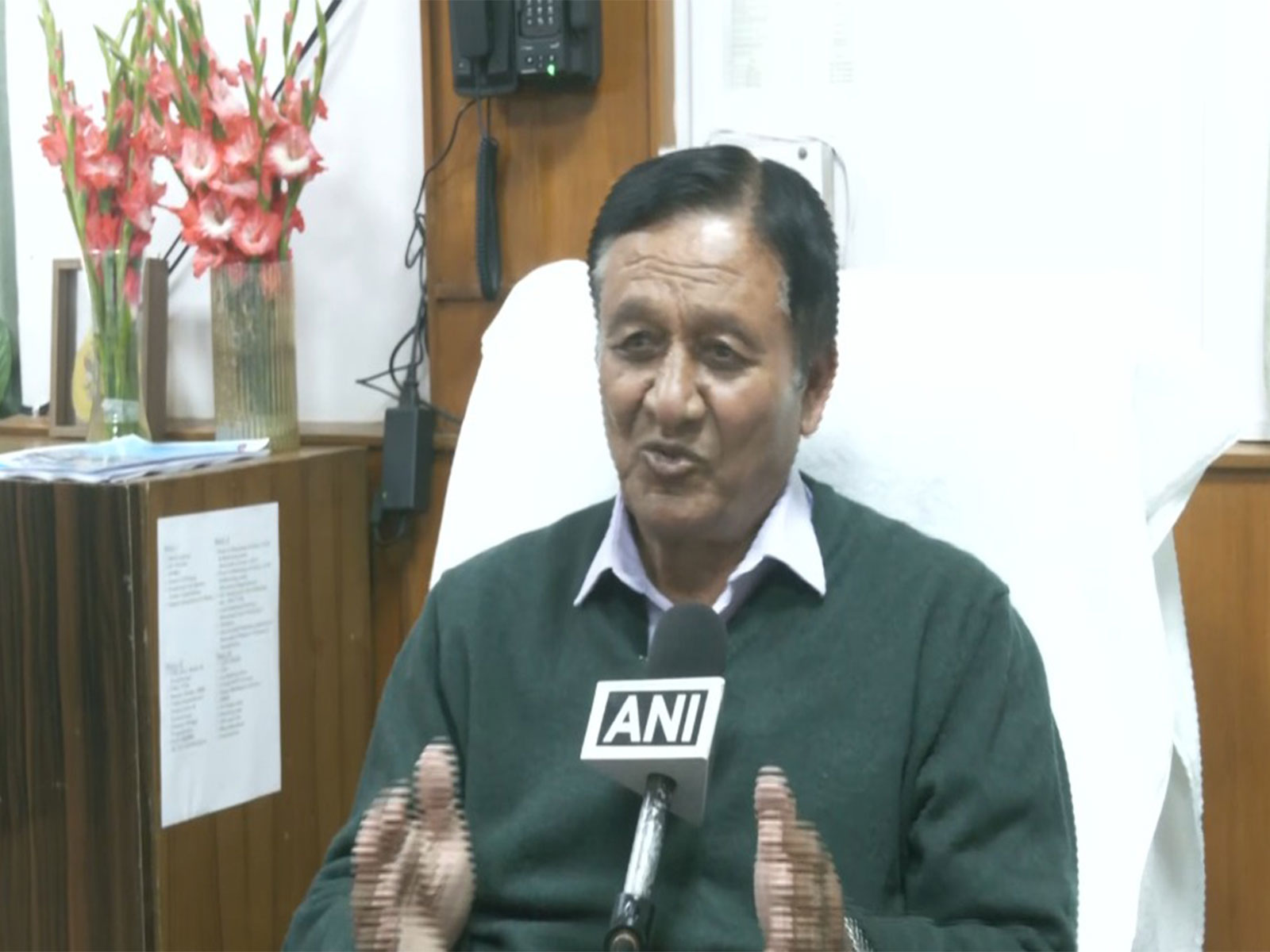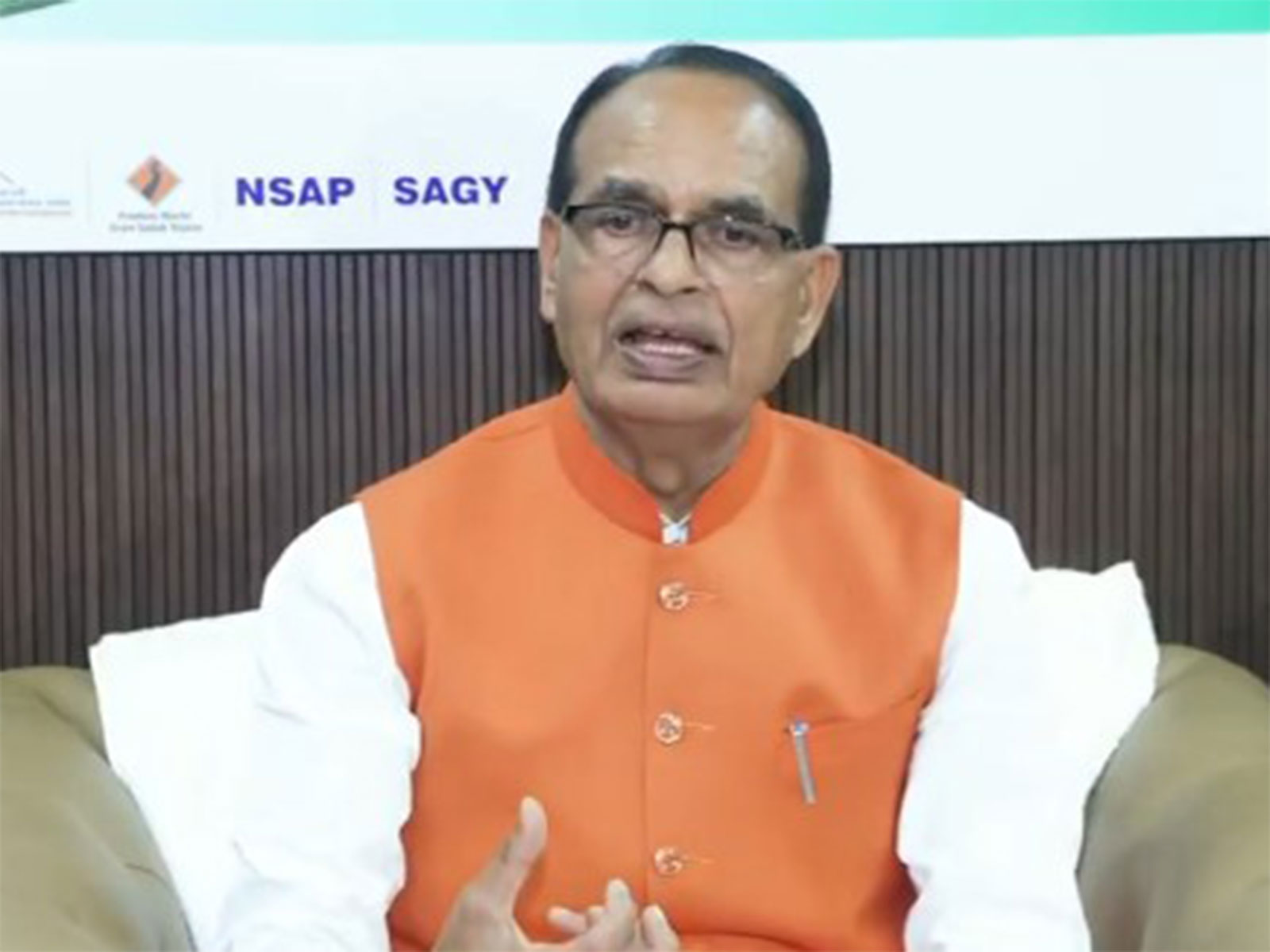
Shimla (Himachal Pradesh) [India], September 30 (ANI): Himachal Pradesh Revenue, Horticulture and Tribal Development Minister Jagat Singh Negi has called for a substantial increase in central funding for disaster mitigation in the Himalayan state, saying relief after disasters alone cannot address the recurring risks posed by landslides, flash floods, glacial lake outburst floods and damage to rivers and streams.
Negi was speaking about the recent visit of an Inter-Ministerial Central Team to Himachal Pradesh to assess monsoon damage and the need for a longer-term mitigation strategy.
The state government has submitted a memorandum seeking around Rs 3,200 crore for current monsoon-related losses. A seven-member Inter-Ministerial Central Team led by Union Home Ministry Joint Secretary M Ramachandrudu began a four-day assessment visit to the state on September 28.
Negi said the 2023 disaster had caused losses of more than Rs 12,000 crore, while subsequent assessments and assistance had resulted in a much smaller amount being sanctioned.
He said the state had been receiving routine disaster assistance but argued that this was insufficient compared with the scale of the losses suffered by Himachal Pradesh. Negi also alleged that the state had not received the kind of special disaster package that he said had been provided to some other states.
He said the financial assistance received through established disaster-response mechanisms represented only a fraction of the state's overall losses.
"Whatever comes through the regular disaster mechanism is only a small part of the losses suffered by Himachal Pradesh. We need a special package because the nature of disasters in the Himalayan state is different," he said.
The Centre had already approved an advance release of Rs 193.95 crore as the second instalment of its share of the State Disaster Response Fund for Himachal Pradesh in August 2026.
The latest central assessment comes against the backdrop of cumulative monsoon losses exceeding Rs 3,220 crore and 373 deaths in Himachal Pradesh up to September 28, according to state disaster data reported this week.
In Kangra alone, the central team was informed that road damage had been estimated at around Rs 269.77 crore, while damage to drinking-water schemes was assessed at more than Rs 64 crore. The team visited disaster-hit areas including Boh valley and reviewed relief and restoration measures.
Negi said the focus should now shift from post-disaster relief to preventive mitigation.
He argued that Himachal's fragile Himalayan geology required significantly larger investments in strengthening riverbanks, drains, flood-prone zones and vulnerable infrastructure.
According to Negi, the state needed at least Rs 1,000 crore annually from the Centre specifically for mitigation works.
He said individual vulnerable areas could require hundreds of crores for effective mitigation and cited Kullu-Manali, Kinnaur, Lahaul-Spiti and Chamba as areas requiring substantial investment.
"If we have to mitigate the risks in Kinnaur's flood-prone areas, we may require Rs 400-500 crore. Similar requirements exist in Kullu, Lahaul-Spiti and Chamba. This cannot be done with small allocations," he said.
Negi also referred to the growing concern over glacial lakes and the possibility of glacial lake outburst floods.
He said the threat was already known and that repeated studies and assessments needed to be accompanied by actual mitigation measures.
"The issue is not merely to go there, study the lakes and highlight the threat. The question is what we will do if the water volume increases or a lake overflows," he said.
He suggested that satellite technology could already provide substantial information about changes in glacial lakes and argued that resources should now be directed towards implementing mitigation measures.
Negi also questioned the approach of high-powered committees visiting Himachal Pradesh without sufficiently engaging local stakeholders.
He said local public representatives and affected communities should be consulted during such visits because they have direct knowledge of vulnerable areas.
"The committees should also interact with people who live there. They will collect information at their own level, but local people's inputs are equally important," he said.
Separately, Negi welcomed the performance of Himachal Pradesh athletes at the 2026 Asian Games and congratulated the players and sports associations.
He particularly highlighted the participation of Himachal players in the Indian women's kabaddi team that won the gold medal.
The state government has announced cash awards totalling Rs 5.33 crore for Himachal Pradesh's Asian Games medallists. According to the announced award structure, the four Himachali members of the gold-winning Indian women's kabaddi team, Pushpa Rana, Ritu Negi, Jyoti Thakur and Bhavna Thakur will receive Rs 33.33 lakh each.
Mandi's Sawan Barwal has been announced a cash award of Rs 2.50 crore for his silver medal in the men's marathon, while Chamba's Seema Kumari will receive Rs 1.50 crore for her bronze medal in the women's 10,000 metres.
Negi said the increase in the state's cash-award structure was a positive step and congratulated the athletes for their achievements.
"It is a matter of pride for Himachal that our players have performed well in different disciplines and won medals. I congratulate all of them and the sports associations working to improve sports in the state," he said.
He also welcomed the increase in the cash awards being given to medal winners, saying greater recognition and financial support could encourage athletes.
The minister's comments came as the state simultaneously faces the continuing challenge of rebuilding infrastructure damaged by successive extreme-weather events.
The World Bank has also approved a $245-million resilience project for Himachal Pradesh aimed at strengthening disaster recovery and climate resilience, including resilient infrastructure and early-warning systems.
Negi said Himachal needed to move beyond repeated damage assessment and relief operations towards a sustained mitigation strategy backed by adequate funding.
"Studies are important, but mitigation on the ground requires money. Unless adequate funds are provided, the risks will continue to remain," he said. (ANI)
Himachal Minister Jagat Singh Negi seeks larger disaster mitigation funding, questions special package