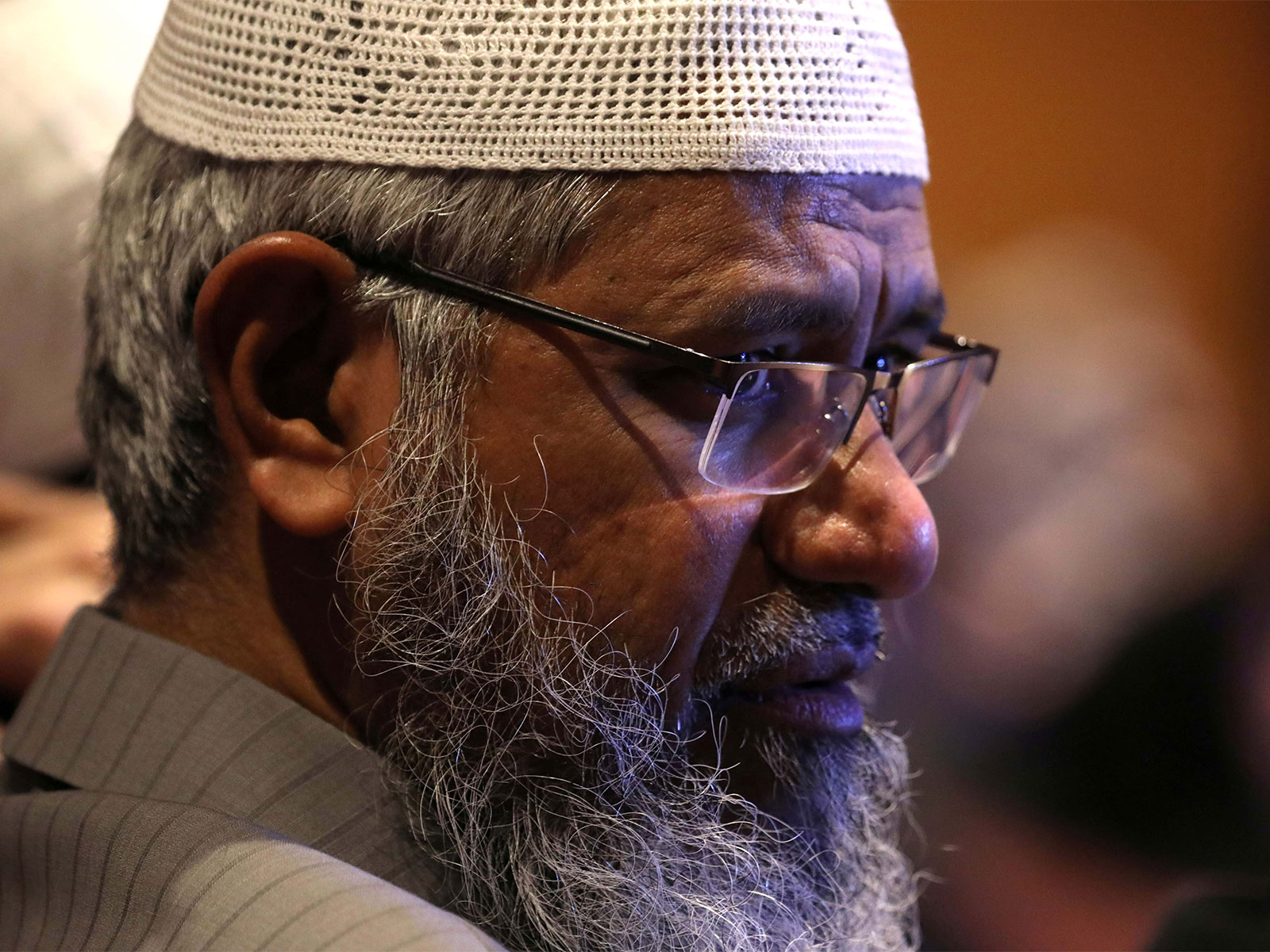
New Delhi [India], November 13 (ANI): The Ministry of Home Affairs (MHA) on Friday extended the ban on the Islamic Research Foundation (IRF), led by fugitive preacher Dr Zakir Naik, declaring the organisation an unlawful association for another five years under the Unlawful Activities (Prevention) Act (UAPA), citing its alleged involvement in activities prejudicial to the country's security, communal harmony and secular fabric.
In a post on X, the Office of the Home Minister Amit Shah said,"In steadfast adherence to PM Shri @narendramodi ji's vision of zero tolerance towards terrorism and anti-national activities, MHA extends the ban on the Islamic Research Foundation as an unlawful association under the UAPA. Led by fugitive terror preacher Dr Zakir Naik, the organisation has been involved in sinister anti-India designs, including inciting communal hatred and promoting terrorism. The group has been found to be propagating a venomous ideology of terrorism and separatism, instigating violent unrest, encouraging the regrouping of absconding terrorists and fomenting communal discord."
According to a notification issued by the Ministry of Home Affairs, the IRF had been indulging in activities prejudicial to the security of the country, with the potential to disturb peace and communal harmony and disrupt the secular fabric of the country.
The notification stated that the Central Government had earlier declared the IRF an unlawful association under Section 3(1) of the Unlawful Activities (Prevention) Act, 1967, through notifications dated November 17, 2016, and November 15, 2021.
The Unlawful Activities (Prevention) Tribunal, constituted under Section 5 of the Act to adjudicate whether sufficient grounds existed for declaring the organisation unlawful, had subsequently confirmed the declarations through orders published on May 22, 2017, and March 30, 2022.
The notification further noted that the existing ban under Section 6(1) of the Act was due to cease on November 14, 2026.
The Central Government stated that the IRF and its members, particularly its founder and president, Dr Zakir Abdul Karim Naik alias Dr Zakir Naik, had been encouraging and aiding followers to promote or attempt to promote, on religious grounds, disharmony and feelings of enmity, hatred or ill-will between different religious communities and groups, in a manner prejudicial to the country's integrity and security.
The government cited several grounds for its decision, including statements and speeches made by Naik, which it described as "objectionable and subversive".
It further alleged that through these speeches and statements, Naik had been promoting enmity and hatred among different religious groups and inspiring youths belonging to a particular religion in India and abroad to commit terrorist acts.
The notification also stated that Naik had made radical statements and speeches to millions of people worldwide through international satellite television networks, the internet, print and social media.
The Central Government expressed apprehension that if the unlawful activities of the IRF were not curbed and controlled immediately, the organisation could continue its subversive activities and reorganise activists who were still absconding.
It further stated that the organisation could disrupt the secular fabric of the country by creating communal disharmony, propagate anti-national sentiments, escalate secessionism by supporting militancy and undertake activities prejudicial to the sovereignty, integrity and security of the country.
Invoking Sections 3(1) and 3(3) of the UAPA, 1967, the Central Government declared the Islamic Research Foundation an unlawful association with immediate effect.
The notification stated that the declaration would remain in force for a period of five years from the date of its publication in the Official Gazette, subject to any order that may be passed under Section 4 of the Act. (ANI)
"Zero tolerance against terrorism": HM Amit Shah hails extension of ban on Zakir Naik led IRF