By Kaushal Verma
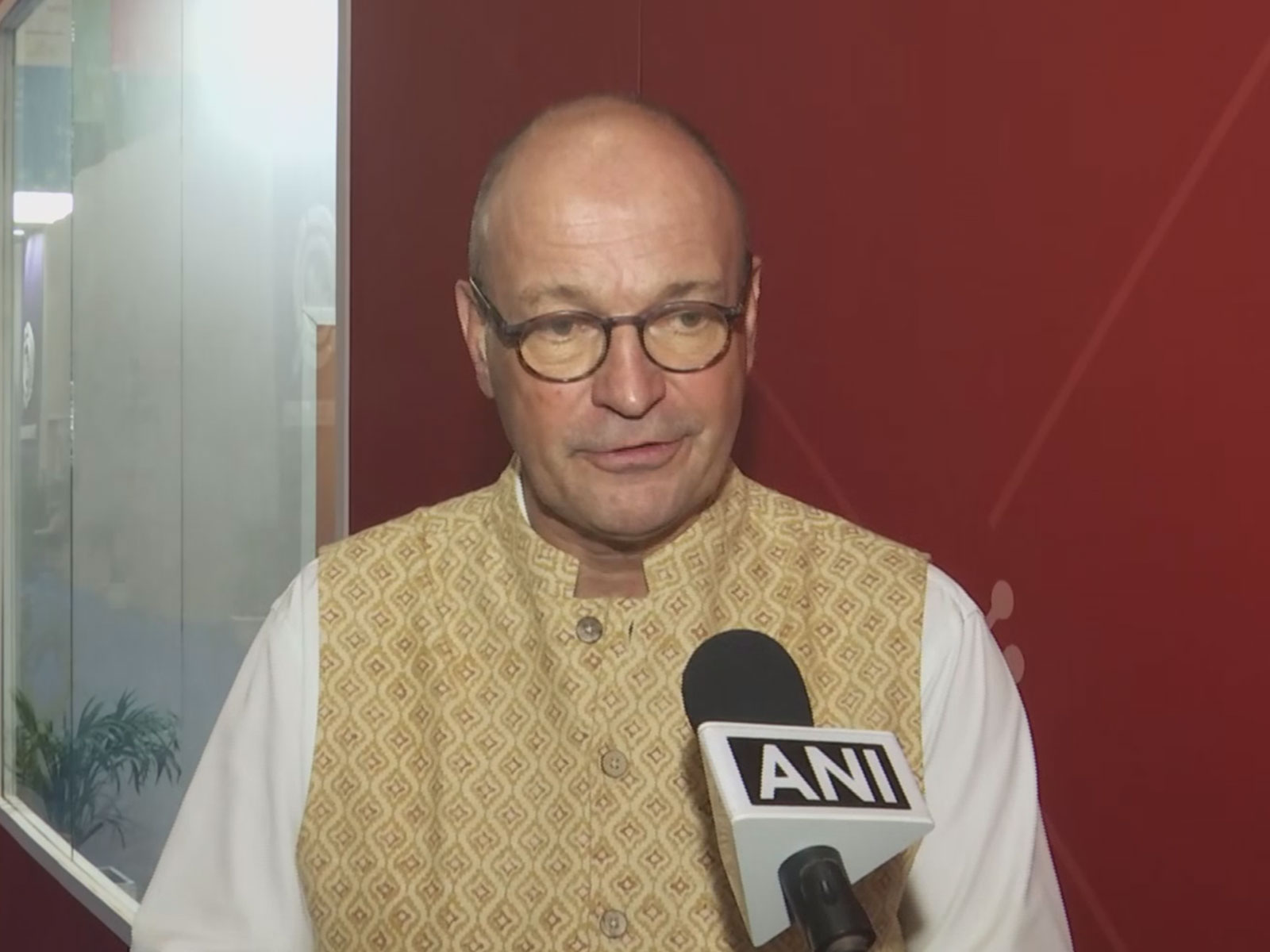
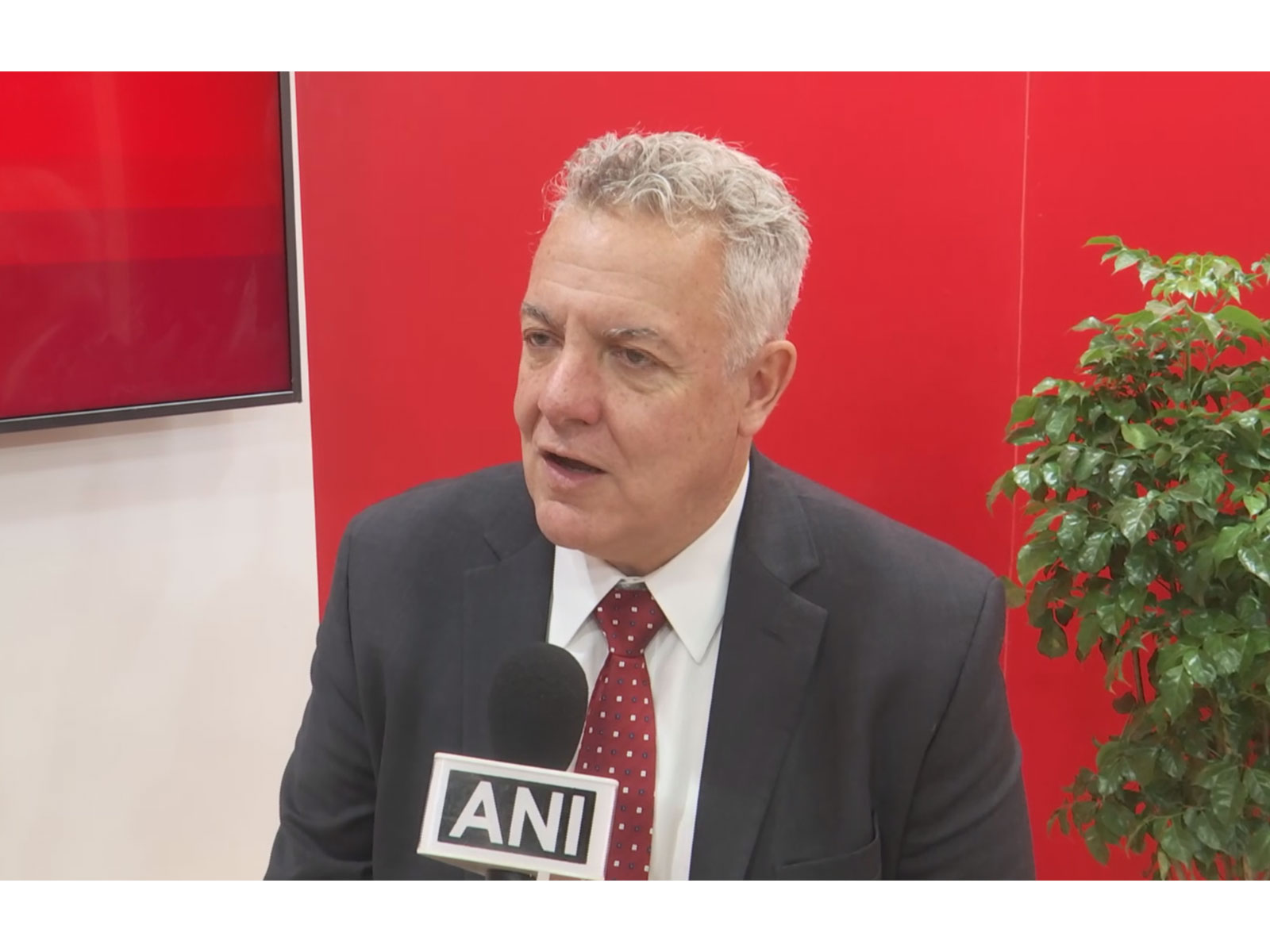
New Delhi [India], October 7 (ANI): Ensuring the availability of the right and sufficient spectrum at the right time will be a key policy priority for the smooth launch of 6G in India, Ulrich Dropmann, Head of Standardization & Industry Environment, Strategy and Technology, Nokia Standards, said on Wednesday.
“Of course, one most important policy priority, which is spectrum. So, we see a lot of growth happening. And what we need is the sufficient and right spectrum assigned at the right time. So, that the technology is also then working efficiently,” Dropmann told ANI on the sidelines of India Mobile Congress.
Dropmann said the global telecom industry is currently in a decisive phase of developing the 6G standard, with key decisions being taken now that will influence the technology over the next decade. He said 6G is expected to be commercially available in 2030.
“I was part of this 6G discussion, in particular the 6G standard. And the key takeaway is, right now we are in the decisive phase to make the 6G standard a success,” he said.
“6G will be commercially available in 2030. But the key decision, how this is designed, a bit like designing a car. The key decisions that make the success of the technology for the 10 years, they are happening now,” Dropmann said.
He said differences among stakeholders were inevitable during the standardisation process, but the industry remained committed to finding common solutions.
“Global standard always needs to make compromises. That’s the first part when it comes to standard. When it then comes to the introduction of 6G, we face sometimes the challenge of the 5G networks and monetization is a question that our customers, network operators ask,” he said.
Dropmann also highlighted the growing role of artificial intelligence (AI) in shaping 6G networks, saying the technology is being designed to support AI and that AI-driven traffic will have a major influence on future networks.
“Predominantly, it’s clear that this technology is designed to support AI. So, AI is everywhere. How the technology works, but also the traffic that you and me are consuming will be dominated by this, by AI,” he said.
On the business case for 6G, Dropmann said network operators would need to be convinced that the new technology would deliver sufficient benefits to justify the investments required for deployment.
“We have to convince the community about the benefit of 6G. Because our customers, the network operators, they have to invest and they have to see the benefit of it. And there is still some path to do to convince really the benefit of the technology,” he said.
On spectrum requirements, Dropmann said an operator could require at least 200 MHz of spectrum, ideally more, while stressing the importance of commercially viable bands.
“We would need maybe 200 MHz at least of spectrum per operator, ideally more. And we need that in bands where this can be introduced commercially viably,” he said.
He added that selecting spectrum with suitable radio characteristics could enable operators to leverage their existing infrastructure, reducing the need for large-scale deployment of new base stations and towers.
“There are spectrums where there is enough bandwidth, but also they have these radio properties that our customers, the operators, can use their existing cell towers that are all over Delhi, all over India,” Dropmann said.
He said India has a strong ambition to become a leading nation in 6G and that adequate spectrum would be fundamental to achieving that objective.
“India has a good ambition to be a leading nation in 6G. And India knows that sufficient spectrum is the foundation,” Dropmann said. (ANI)
Right and sufficient spectrum key to smooth 6G launch in India: Nokia’s Dropmann