Kathmandu [Nepal], September 28 (ANI): Governments, scientists and development partners from across the Hindu Kush Himalaya (HKH) have called for a stronger regional response to the mountain hazards that a changing climate is making harder to predict.
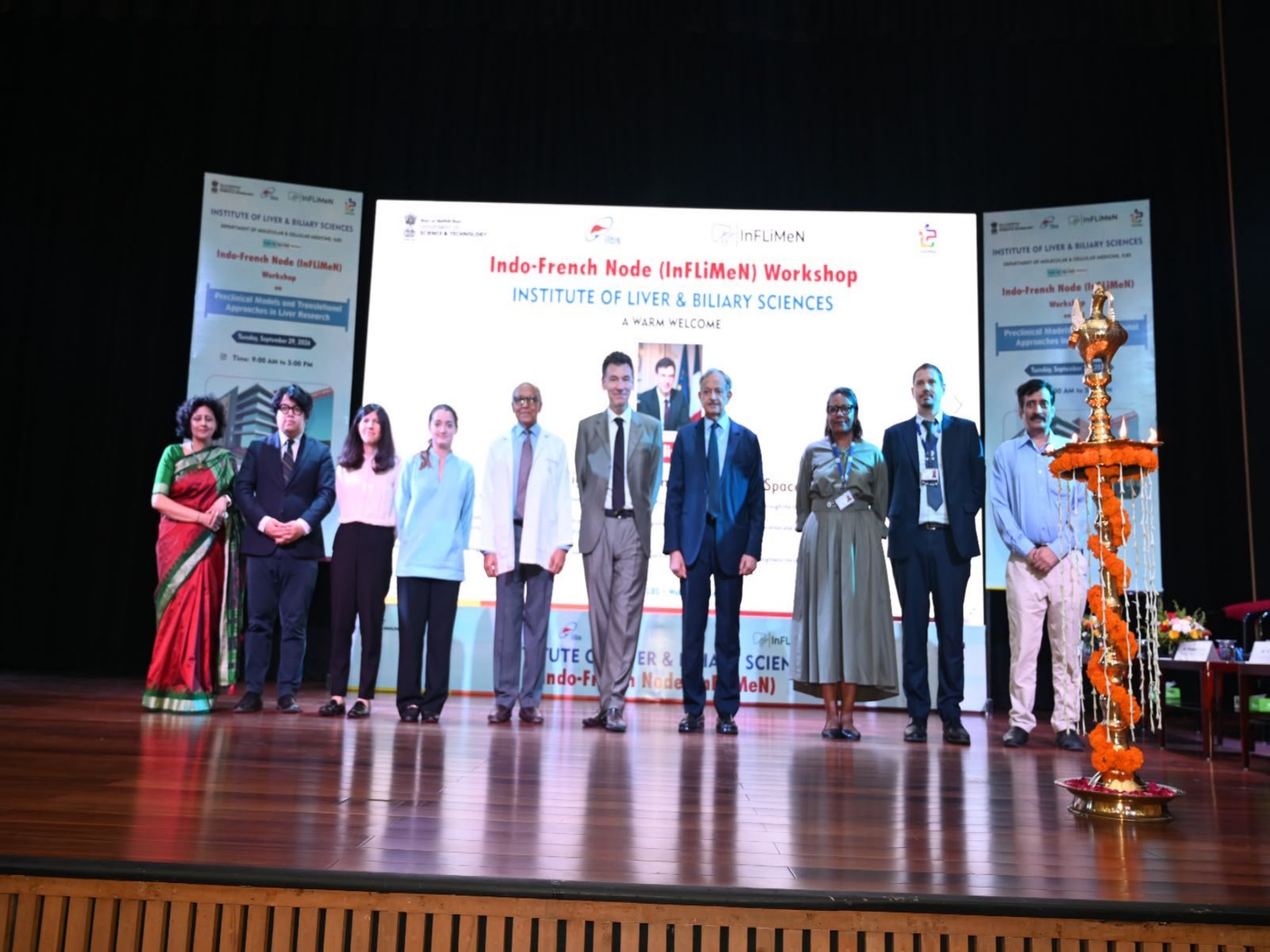
The recommendations, called the Kathmandu 10 Action Points, came out of a three-day workshop from 15 to 17 September. It was convened by the International Centre for Integrated Mountain Development (ICIMOD), Nepal's National Disaster Risk Reduction and Management Authority and the Embassy of Switzerland in Kathmandu.
Scientists at the workshop said questions remain about what caused the disaster, including geological conditions, glacier dynamics, permafrost and a changing climate. They said more research is needed to pin down how much each factor contributed but experts agreed that climate change is broadly reshaping mountain ecosystems, and that its influence is "clear and critical".
"This is now a slap in the face and time is running out," said Pema Gyamtsho, ICIMOD's Director General, noting the region has seen "back-to-back mega-hazards." He said reducing future risks would require collaboration across countries, disciplines and institutions.
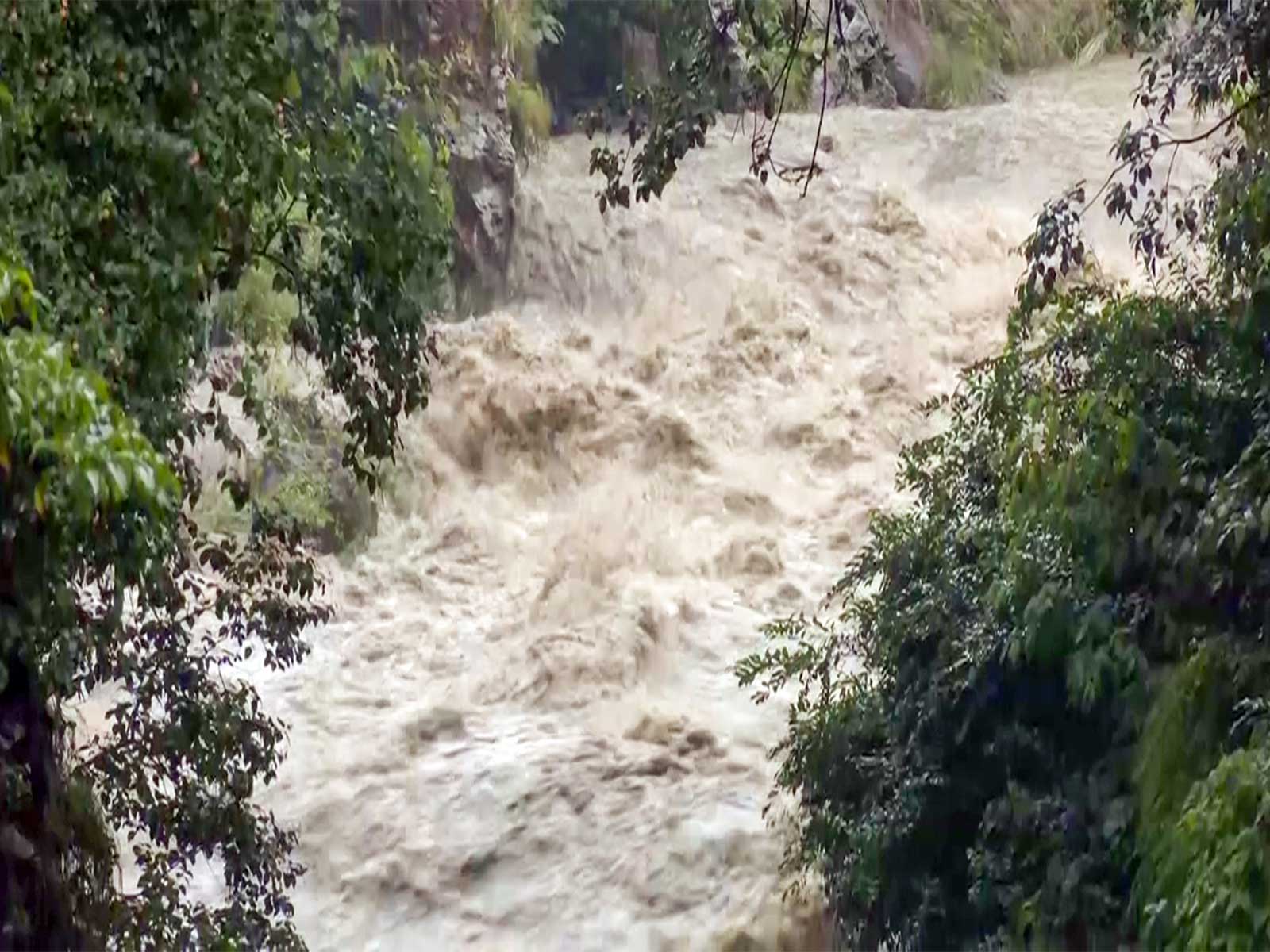
Preliminary scientific assessments indicate that a slope failure in the Langtang Lirung range set off the ice-rock avalanche. It travelled through the Lhende Khola and the Bhote Koshi-Trishuli river system, carrying rock, ice, water, debris and sediment downstream and across an international border.
More than 1,400 people died in the 26 August Rasuwa-Gyirong flood, and about 6,000 remain unaccounted for, according to figures Foreign Minister Shisir Khanal presented at the UN General Assembly. Around 10 per cent of the missing are nationals of 38 countries. Nepal's economic losses exceed USD 5 billion, nearly 15 per cent of its gross domestic product.
Across the HKH, glaciers are retreating, permafrost is degrading, and mountain hydrological systems are changing rapidly. These shifts are creating new and evolving risks, and they are making hazards more complex and interconnected. Traditional risk management struggles to cope with them, the organisers said.
The 10 points include redesigning early warning triggers for sudden-onset hazards and exploring "sacrificial infrastructure" built to absorb the impacts of cascading events. They also propose: “a satellite-based inventory of multi-hazard hotspots; a shift from sharing raw data across borders to providing decision-ready information; a shared regional data portal; a regional response fund and a people-centred, phased recovery plan backed by short-, medium- and long-term financing.”
The recommendations also call for more investment in the institutions that carry out observation, risk assessment and data collection, and not only in monitoring technology. They urge better integration of cascading risks into infrastructure planning. That matters because countries across the region are building roads, bridges, hydropower plants, transmission lines and trade corridors in highly dynamic mountain terrain.
The workshop also drew on the 2025 ice-rock avalanche at Blatten in Switzerland's Canton of Valais. Early detection there allowed an entire village to be evacuated before the disaster struck. That showed that timely monitoring can save lives even when major physical damage cannot be prevented.
"There is no miracle solution," said Raphael Mayoraz, who urged continued work on safety measures and technology, and collaboration among scientists and across borders.
Swiss Ambassador to Nepal Danielle Meuwly said, "Switzerland stands with the people of Nepal." She said Switzerland is supporting Nepal and ICIMOD in finding ways to strengthen detection, monitoring and early warning for future ice-rock avalanches and related hazards.
Other diplomats stressed the shared stakes. British Ambassador Rob Fenn said, "This is not Nepal's crisis, this is the world's crisis." He said UK support would focus on cascading mountain hazards, early warning and the hydropower sector, adding that large parts of Nepal's economy "may have to be rethought". (ANI)
Regional experts issue ‘Kathmandu 10 Action Points’ on cascading mountain hazards after “Himalayan Tsunami”