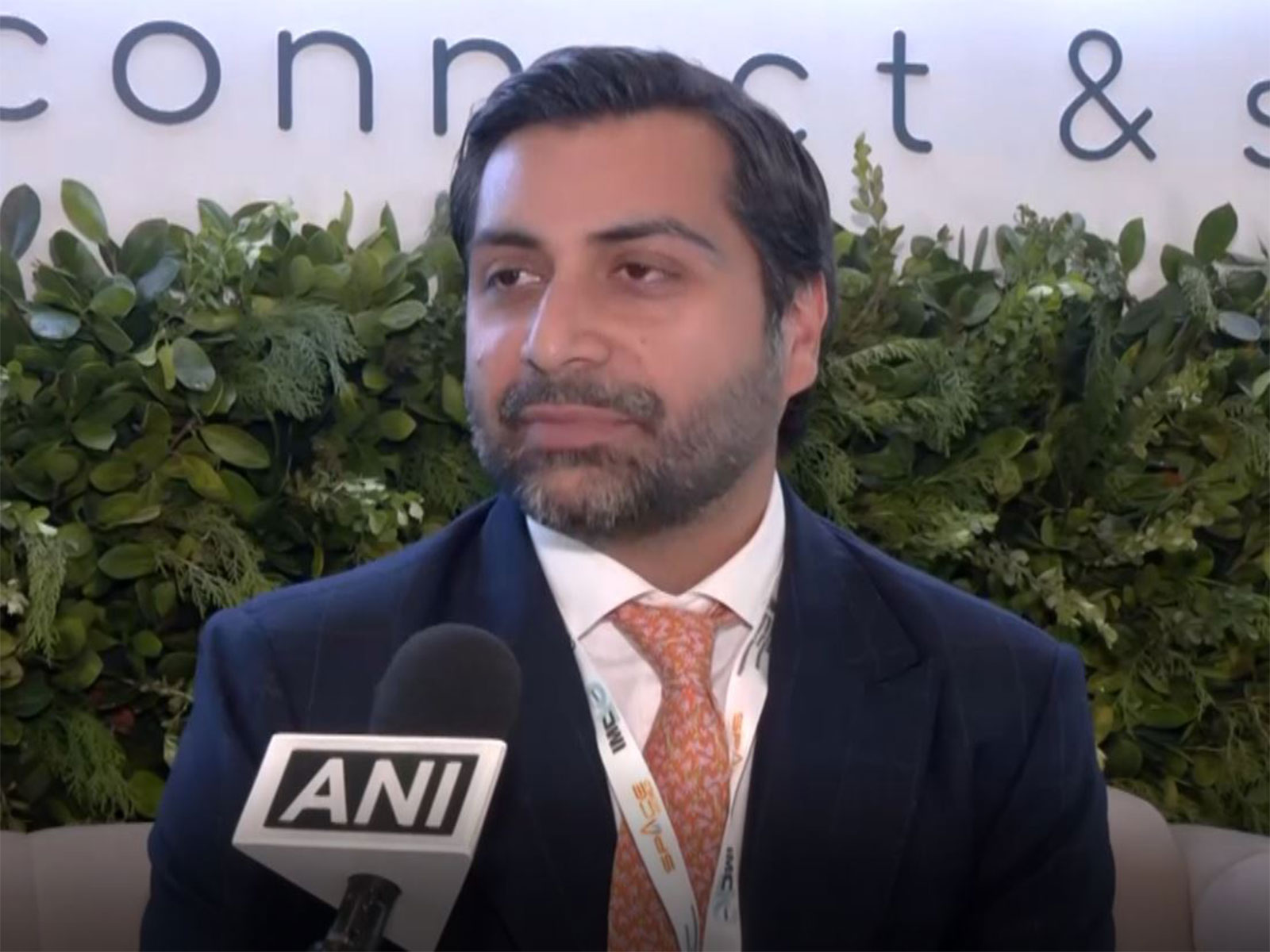
Mumbai (Maharashtra) [India], October 8 (ANI): The Reserve Bank of India’s (RBI) hawkish monetary policy stance reflects growing concerns over broad-based commodity inflation and global market volatility, Anindya Banerjee, Head of Commodities Research at Kotak Securities, said in an exclusive interview with ANI.
Banerjee said the shift from a neutral stance to calibrated tightening indicates that further interest rate hikes could be on the way.
He said the RBI could opt for a gradual 25-basis-point rate hike in December or consider a sharper 50-basis-point increase, depending on the inflation and economic outlook.
With consumer price inflation (CPI) projected at around 6 per cent, the inflation outlook will largely depend on energy and raw material costs, which are feeding into agriculture and industrial production.
"Overall, the RBI policy is hawkish and it was expected to be because they changed their stance from neutral to calibrated tightening," Banerjee said.
"It is now feeding into agriculture. It is feeding into the cost of various kinds of raw materials. So, it's a broad-based commodity inflation which is what we are seeing," he added.
On crude oil prices, Banerjee said persistently high oil prices could eventually hurt demand and increase the risk of a global slowdown.
He also said raising domestic interest rates may not be an effective tool for the RBI to support the Indian rupee against external pressures.
The rupee is facing pressure from high US bond yields and a strong US dollar, which have contributed to capital outflows. Foreign portfolio flows, which recorded an inflow of USD 7 billion during July and August, had turned into an outflow of USD 8.6 billion by early October.
Banerjee said the rupee could weaken further, with USD/INR potentially reaching 97.5-98 by December if global pressures persist, although stronger RBI intervention could limit the decline.
"RBI policy rate is definitely not the tool to stabilise the currency... As long as oil, yields and the dollar index continue to stay elevated, it will push the rupee lower and USD/INR higher," he said.
On crude oil, Banerjee said disruptions in global supply chains, higher freight costs and insurance premiums have pushed the actual landed cost of crude significantly above prices indicated by futures markets.
He expects Brent crude prices could rise to USD 110-115 per barrel by December.
However, he said India has an advantage as a net refining surplus country, which can provide some protection against direct shortages of petroleum products.
"The problem happens for the world economy when energy prices stay higher for longer because then it feeds into the cost of production of everything," Banerjee said.
On gold, Banerjee said elevated US real yields could limit gains in domestic gold prices, while rupee depreciation could provide some support.
Ahead of the festive season, he said jewellery demand could improve, but investment demand for gold through coins, bars and exchange-traded funds (ETFs) may remain subdued.
"The behaviour of the investment demand of gold and the consumption demand of gold is different," Banerjee said. (ANI)
RBI may hike rates further as commodity inflation, global volatility remain concerns: Kotak Securities