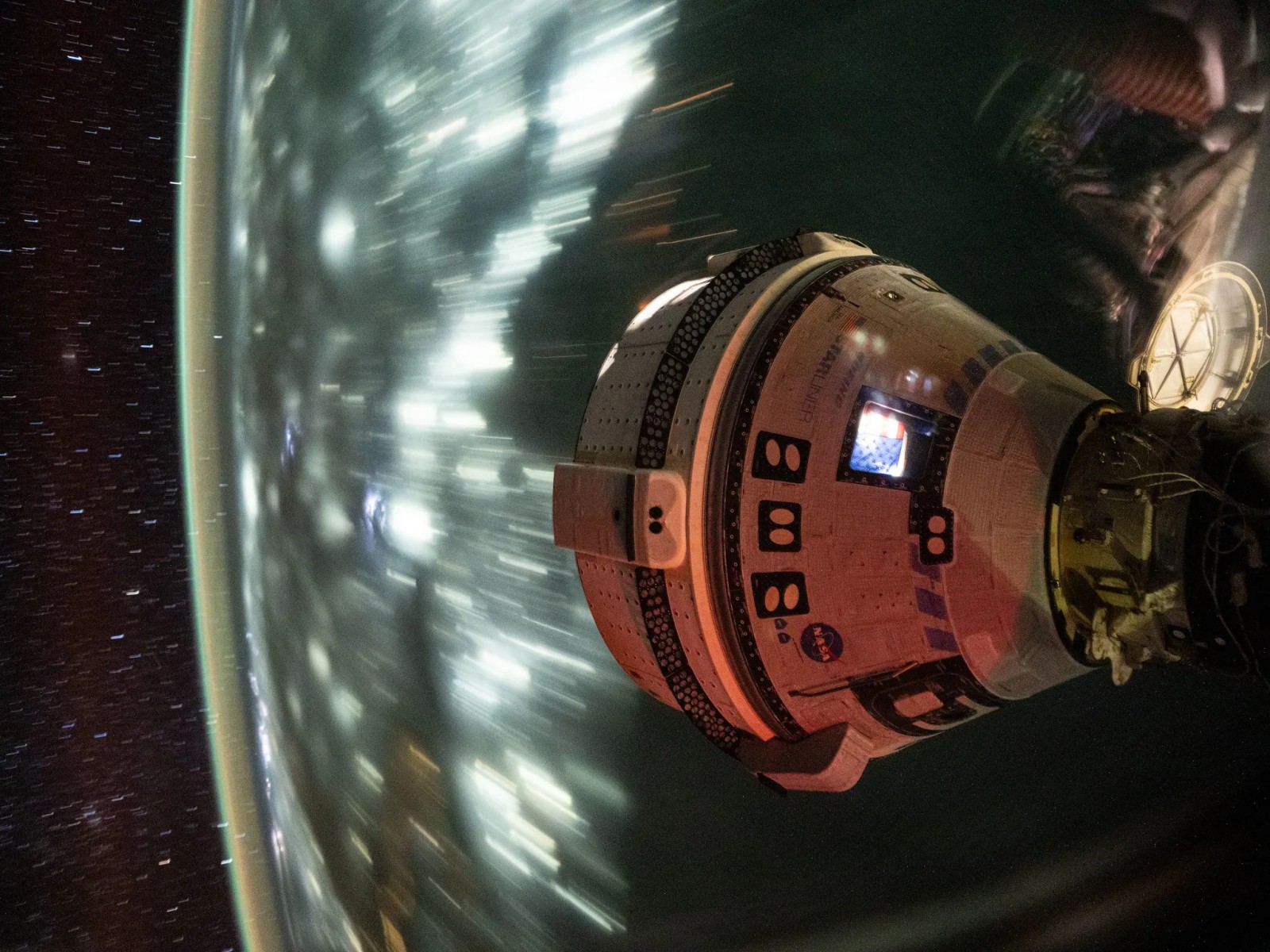
Washington, DC [US], September 29 (ANI): NASA and Boeing have outlined a structured roadmap to bring the Starliner spacecraft back into operational service following technical hurdles encountered during the flight that transported astronauts Sunita “Suni” Williams and Butch Wilmore to the International Space Station.
The upcoming uncrewed Starliner mission is scheduled to lift off either in December or January 2027, according to a Monday announcement by the space agency.
Providing insight into the phased initiative, NASA Administrator Jared Isaacman stated, "We are starting with an uncrewed Starliner-1 mission to the International Space Station to validate the improvements made to the spacecraft and gather the flight data we need."
Following the uncrewed test, agency leadership outlined subsequent milestones, with Isaacman adding, "From there, we will use what we learn, continue implementing the corrective actions identified by our Program Investigation Team, and complete the testing and certification required for crewed flight. Our current plan is to return astronauts on Starliner-2 by 2028."
Furthermore, NASA intends to exercise options for a fifth and sixth Starliner flight servicing the orbital laboratory.
Collaborating alongside Boeing and United Launch Alliance, the agency will additionally certify the Vulcan rocket for human-rated spaceflight following the final retirement flight of the Atlas V rocket.
This comprehensive timeline offers Starliner another path towards integration within NASA’s Commercial Crew Programme, fulfilling the agency's goal of maintaining multiple American spacecraft capable of ferrying astronauts to low-Earth orbit.
Underscoring continued commitment to the platform, Isaacman noted, "We have worked closely with Boeing to address the issues identified on previous Starliner flights, and we intend to see this vehicle return to flight in support of the International Space Station and future commercial destinations."
The overhaul follows an inquiry launched after Starliner landed without Williams and Wilmore following its inaugural crewed test flight in 2024.
The resultant report issued 61 distinct recommendations designed to bring future flights into strict alignment with NASA’s human spaceflight criteria.
Investigators determined that the spacecraft's service-module reaction-control thrusters functioned outside designated engineering qualifications, triggering control anomalies.
Subsequent ground trials tied these propulsion glitches to a complex interplay of thermal factors and system design specifications.
Addressing these vulnerabilities, Boeing has integrated thermal adjustments into the service module, which NASA will scrutinise during the Starliner-1 run.
Partner teams have also redesigned a thruster valve to mitigate poppet-seal extrusion issues.
Additional hardware upgrades encompass new crew-module thrusters, updated batteries, and targeted revisions to the parachute architecture.
Highlighting the importance of the upcoming launch, Dana Weigel, manager of NASA’s Low Earth Orbit Programme, stated, “Starliner’s next flight is a critical step on the path to achieving full system certification and ensuring a sustained human presence in low Earth orbit.”
NASA designated Starliner-1 as an engineering evaluation flight tasked with reviewing the updated thermal dynamics, gathering performance metrics, and clearing residual risks prior to reintroducing crew members. (ANI)
NASA lays out phased plan to return Starliner to service