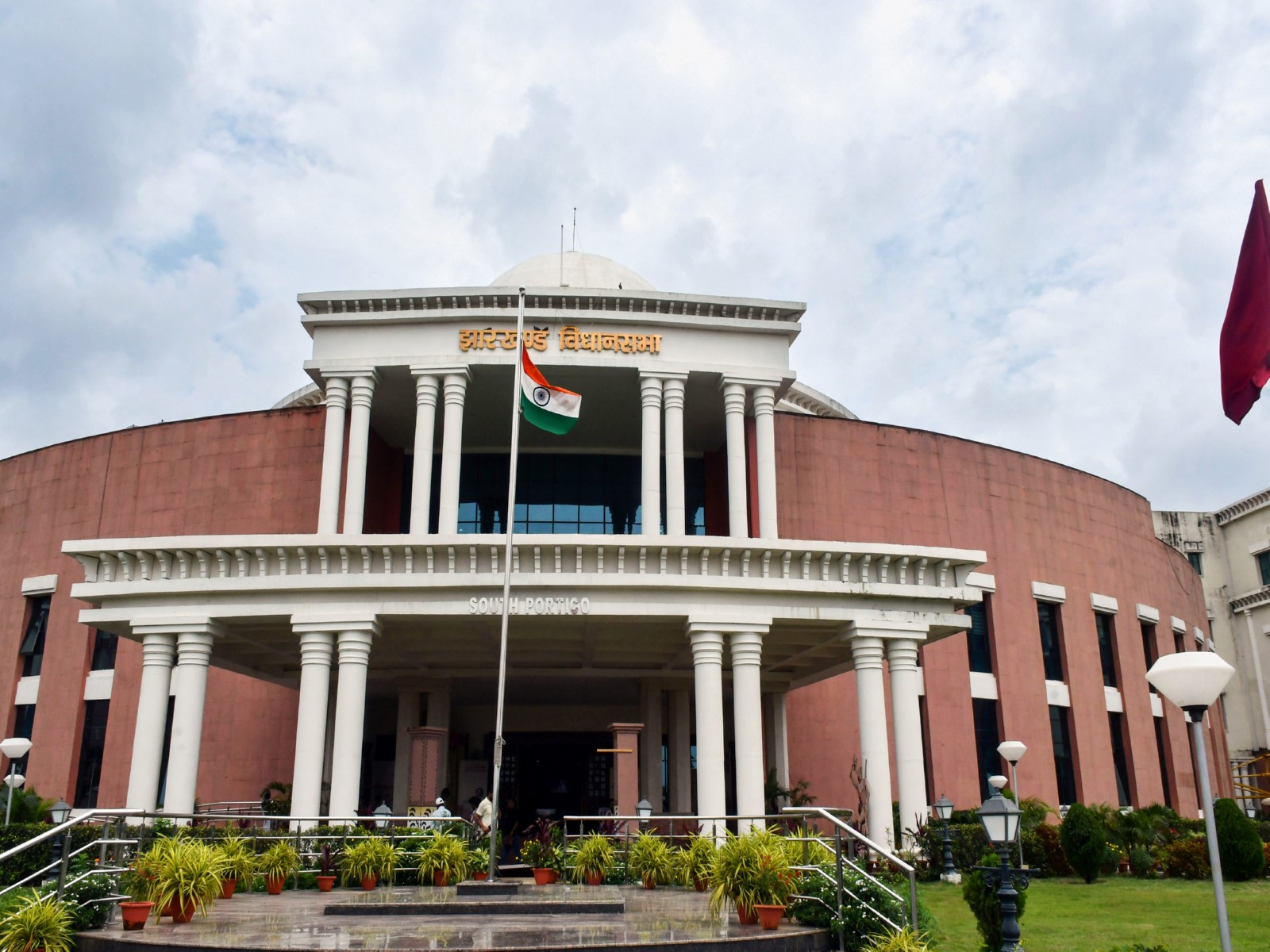
Ranchi (Jharkhand) [India], November 26 (ANI): The Jharkhand Legislative Assembly on Thursday passed a government resolution against the Centre's Mines and Minerals (Development and Regulation) Amendment Act, 2026, warning of an estimated annual revenue loss of Rs 13,000 crore to the state.
Moved during a special sitting of the Monsoon session of the Sixth Jharkhand Legislative Assembly by Chief Minister Hemant Soren, who also holds charge of the Mines and Geology Department, the resolution dated November 23, 2026, sought the House's consent to forward the proposal to the Central Government.
According to the resolution, the Central Government notified the Mines and Minerals (Development and Regulation) Amendment Act, 2026, on August 17, 2026, curbing the powers of states to impose taxes or cesses on mineral rights and mineral-bearing land while invalidating any previous state claims for arrears or uncollected dues. It noted that following the amendment's implementation, state governments cannot levy any tax, cess, or other charge on mineral rights or mineral-bearing land without conditions stipulated by the Centre.
Warning that the projected revenue shortfall would create difficulties in financing social security, women empowerment, education, health, rural development, and other public welfare schemes, the resolution underscored Jharkhand's status as one of the country's richest mineral states and a tribal-dominated state.
It pointed out that Scheduled Tribes, Scheduled Castes, and Primitive Tribes residing in mining areas bear the brunt of displacement, land eviction, environmental degradation, and socio-cultural upheaval, making it justified to spend a share of mining revenues on the socio-economic upliftment and welfare of tribals, backward classes, and Dalits.
The resolution cited the July 2024 ruling of a nine-judge Constitution Bench of the Supreme Court in the Mineral Area Development Authority vs. Steel Authority of India Ltd. case, which held that mineral-bearing land constitutes land under Entry 49 of the State List in the Seventh Schedule of the Constitution, affirming states' constitutional right within the federal structure to levy tax or cess on such land based on mineral value or output. In that backdrop, the Jharkhand Assembly had enacted the Jharkhand Mineral Bearing Land Cess Act, 2024, from which the state was receiving around Rs 13,000 crore per year for socio-economic development and welfare programmes.
Detailing the adverse impact of the 2026 central amendment, the resolution stated that areas bearing the social and environmental burden of mining would face reduced resources for development, and that the new law had brought a halt to the state's efforts under the 2024 cess Act to uplift displaced tribal, Dalit, and backward communities. It also warned that the federal structure would be adversely affected, making development more challenging for states given their distinct socio-economic, geographical, and environmental conditions.
Calling upon the Central Government to reconsider or withdraw the MMDR Amendment Act, 2026, the resolution stated that doing so is essential to keep the constitutional and financial rights of states intact, ensure Jharkhand continues to be compensated for mining-related losses, and better run development and welfare programmes in health, education, rural development, agriculture, and infrastructure for tribals, backward classes, Dalits, and women. (ANI)
Jharkhand Assembly passes resolution against Centre's MMDR Amendment Act, 2026; flags Rs 13,000-crore annual loss