New Delhi [India], November 27 (ANI): Growth in average hotel room tariffs in India could moderate to 4-6 per cent annually as over 1.6 lakh branded hotel rooms are proposed to be added over the next five years, according to an equity research report by Jefferies, based on its interaction with hospitality consultancy Hotelivate.
While the increase in room supply could put pressure on hotel occupancy levels, sustained demand from domestic travellers, weddings and corporate events is expected to limit the risk of a downturn in the hospitality sector.
"Supply could pressure nationwide occupancy (\~68%), but demand should keep pace, limiting downcycle risk. Industry avg ADR growth could moderate to inflation-like \~4-6% vs \~6%+ in FY26, with luxury growing faster," the report said.
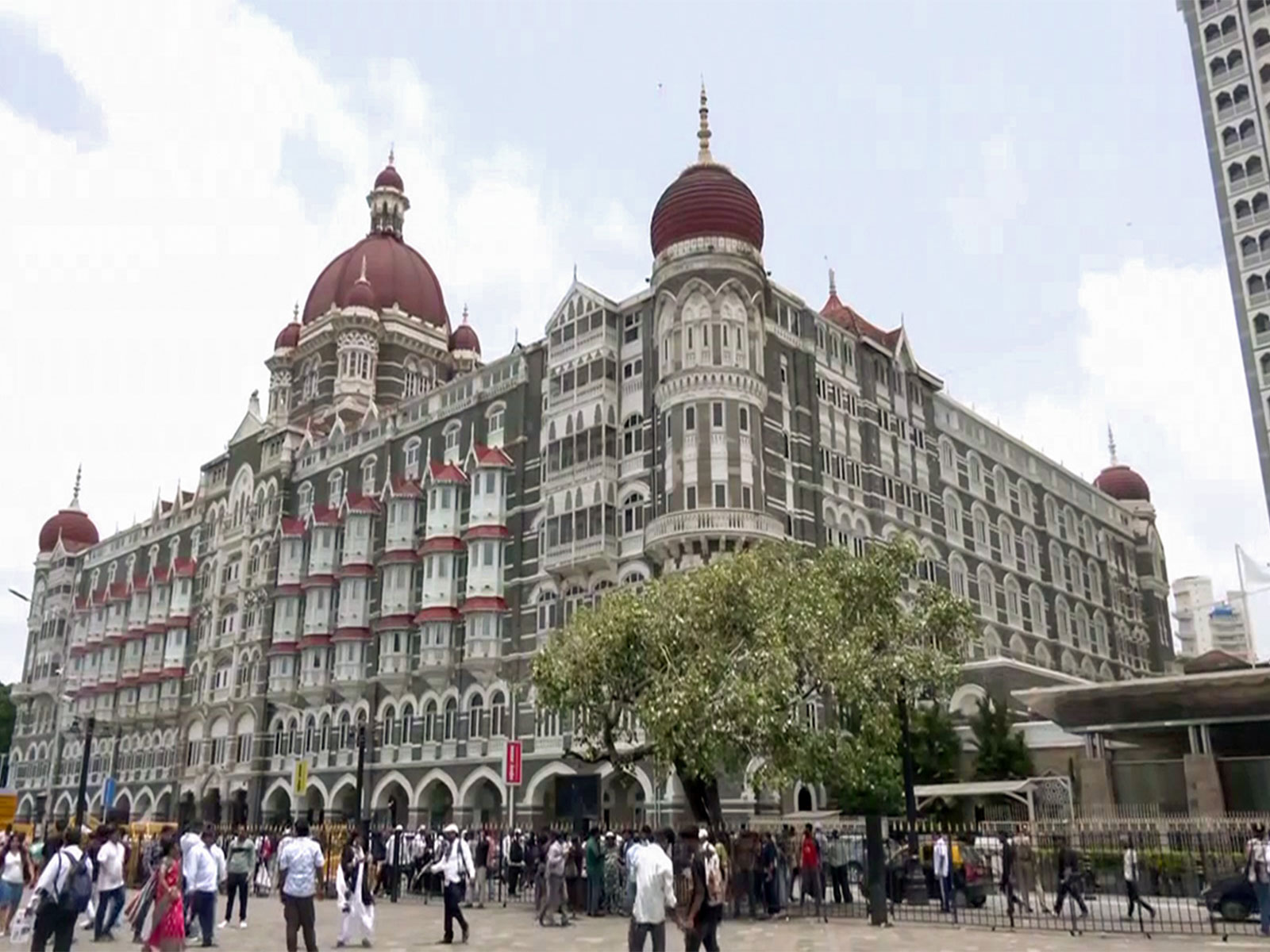
India's hospitality industry is currently in its fifth year of post-pandemic growth. The country had around 2.1 lakh branded hotel rooms across approximately 2,200 hotels in FY26, with the top 10 hotel companies accounting for nearly two-thirds of the total supply.
Of the over 1.6 lakh rooms proposed to be added over the next five years, around 1.16 lakh rooms, or 72 per cent, are already under active development.
However, the impact of rising supply on room tariffs is expected to vary across hotel categories, with luxury hotels retaining stronger pricing power due to limited capacity additions.
"High development costs and longer gestation constrain luxury supply, supporting pricing power. True luxury is only \~5% of incremental supply," the report noted.
Average room tariffs at five-star deluxe hotels grew by around 8.7 per cent last year, compared with 6.4 per cent across the industry. In contrast, budget and economy hotels face greater competition from upcoming capacity additions and more price-sensitive consumers, limiting their ability to raise tariffs.
The impact of capacity expansion is also expected to vary across cities. While Bengaluru, Hyderabad and Mumbai have sizeable hotel development pipelines, demand is expected to outpace supply in these markets.
Jaipur, however, could face pressure on hotel revenues, with around 7,000 rooms under development against an existing inventory of approximately 8,500 rooms. Goa also faces pressure from rising supply.
According to the report, occupancy levels in Tier-I cities stand at around 75 per cent, compared with 68 per cent in Tier-II cities and 57 per cent in Tier-III cities, reflecting stronger demand in major urban markets.
The report further highlighted that India's hospitality industry has become more resilient than in previous growth cycles, supported by a larger domestic customer base and diversified demand from business travel, leisure, weddings, conferences and exhibitions.
"Demand remains domestic-led, leaving upside from a recovery in Int'l arrivals," the report said.
Despite the expected moderation in room tariff growth, the report sees a structural growth opportunity of 20-25 years for India's branded hotel industry, given its relatively low penetration compared with global markets. (ANI)
India's hotel room tariff growth may moderate to 4-6% amid addition of 1.6 lakh rooms over next five years: Jefferies