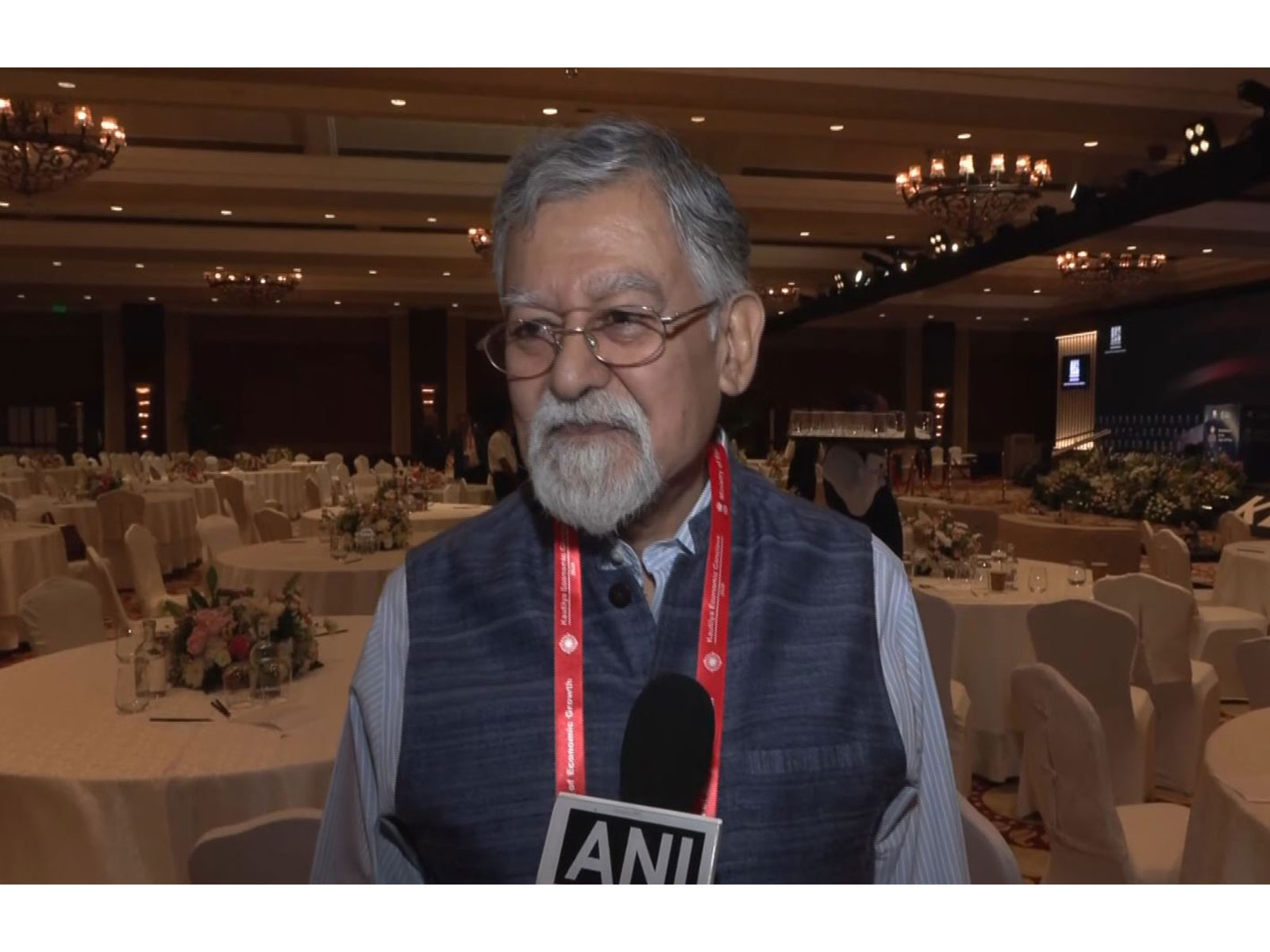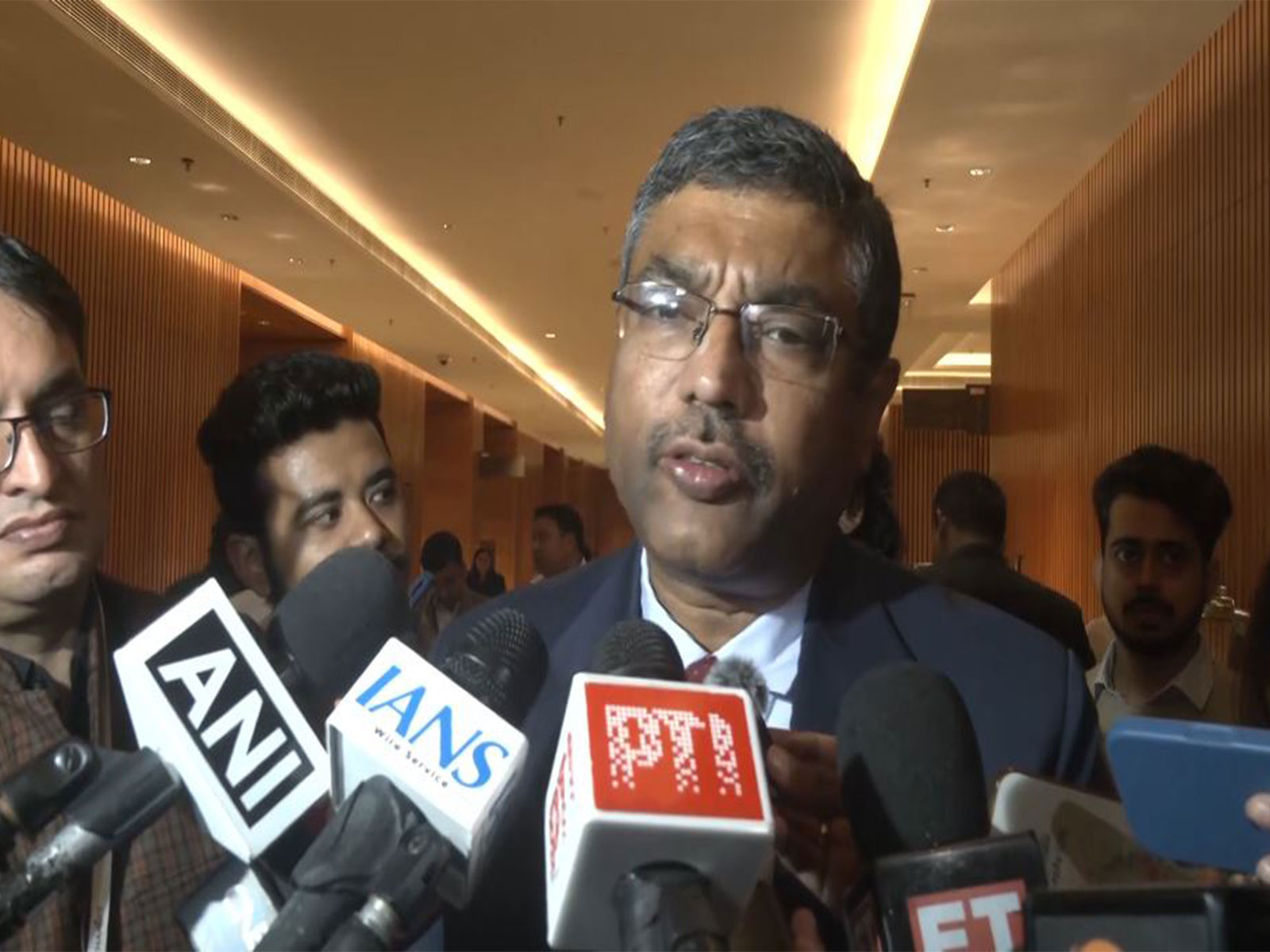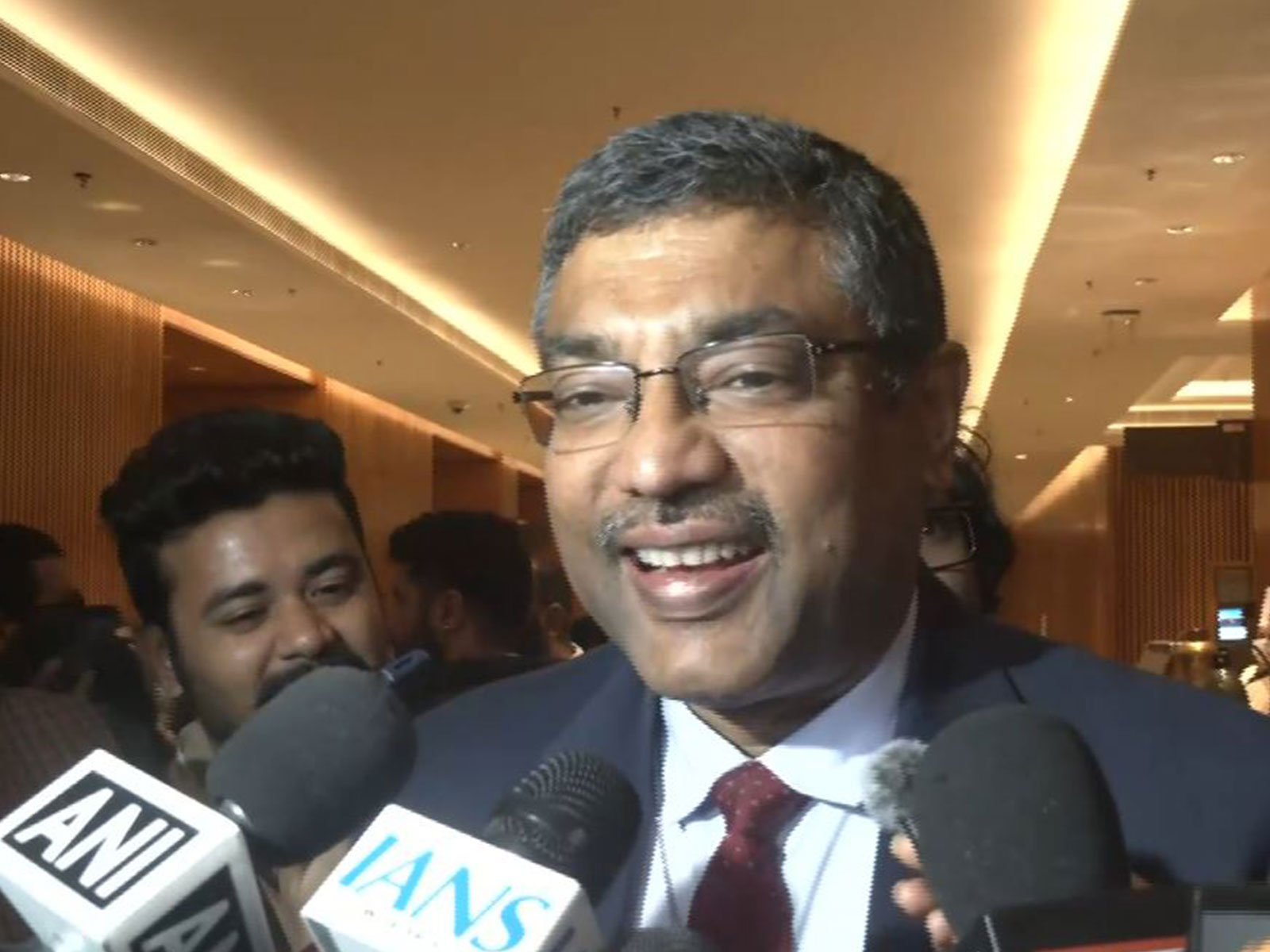
New Delhi [India], October 3 (ANI): NITI Aayog Member Arvind Virmani has retained his forecast of 7 per cent GDP growth for India this year, while cautioning that the economy continues to face a wide range of uncertainty amid unresolved trade issues and global developments.
Speaking to ANI on the sidelines of the Kautilya Economic Conclave, Virmani said he had raised his growth forecast from 6.5 per cent to 7 per cent earlier this year, while simultaneously expanding the uncertainty range.
“My forecast right now for the whole year is still the same. 7% plus or minus 1%,” Virmani said.
Explaining his approach to economic forecasting, he said uncertainty was an inherent part of macroeconomic conditions and should be factored into projections rather than ignored.
“Uncertainty is a fact of macroeconomic life,” Virmani said, adding that there could always be developments that had not been anticipated.
Virmani said he had reassessed his forecast about a month ago in view of developments including unresolved trade issues and other global factors, but decided to reaffirm his earlier projection.
He also cautioned against revising full-year growth forecasts solely based on quarterly GDP data, after India recorded 7.8 per cent growth in the first quarter of FY27.
“A lot of people saw this 7.8 and suddenly started raising their forecasts. But I don't do that. I have a forecast, I have a range of uncertainty,” he said.
On the issue of Merchant Discount Rate (MDR) on UPI transactions, Virmani said the initial subsidy had played an important role in promoting UPI and creating a new public good, but the policy now needed to transition towards a cost-based system.
“A good subsidy creates a new public good at minimum cost,” he said.
Virmani said the current approach of retaining support below a certain transaction level while withdrawing it above that level was a way of transitioning away from subsidies.
He also said moving towards a cost-based system could help address concerns from competing international payment companies that UPI was being subsidised.
On whether MDR could affect UPI transactions, Virmani said transactions would continue to grow, though there could be a temporary impact if costs were passed on.
“Eventually you have to pass the thing through into the system,” he said, adding that economists generally preferred direct transfers over product-based subsidies. (ANI)
India’s GDP forecast remains at 7% with wide uncertainty range: Arvind Virmani