New Delhi [India], September 9 (ANI): India’s rising electronics imports from China reflect a deepening integration of supply chains rather than merely a dependence on price-competitive finished goods, with a new study calling for targeted localisation and greater domestic value addition in critical segments.
The study, released by Koan Advisory Group in partnership with the Institute of Chinese Studies (ICS), found that China accounted for at least 80 per cent of India’s imports across 71 tariff lines at the eight-digit level in 2025-26. Of these, 46 crossed the 80 per cent threshold only after 2018-19, pointing to a rise in import concentration over time.
India’s trade deficit with China stood at USD 112.1 billion in 2025-26, the country’s largest bilateral trade deficit. Electrical machinery and electronic equipment accounted for USD 43.1 billion, or about 38 per cent, of the total gap.
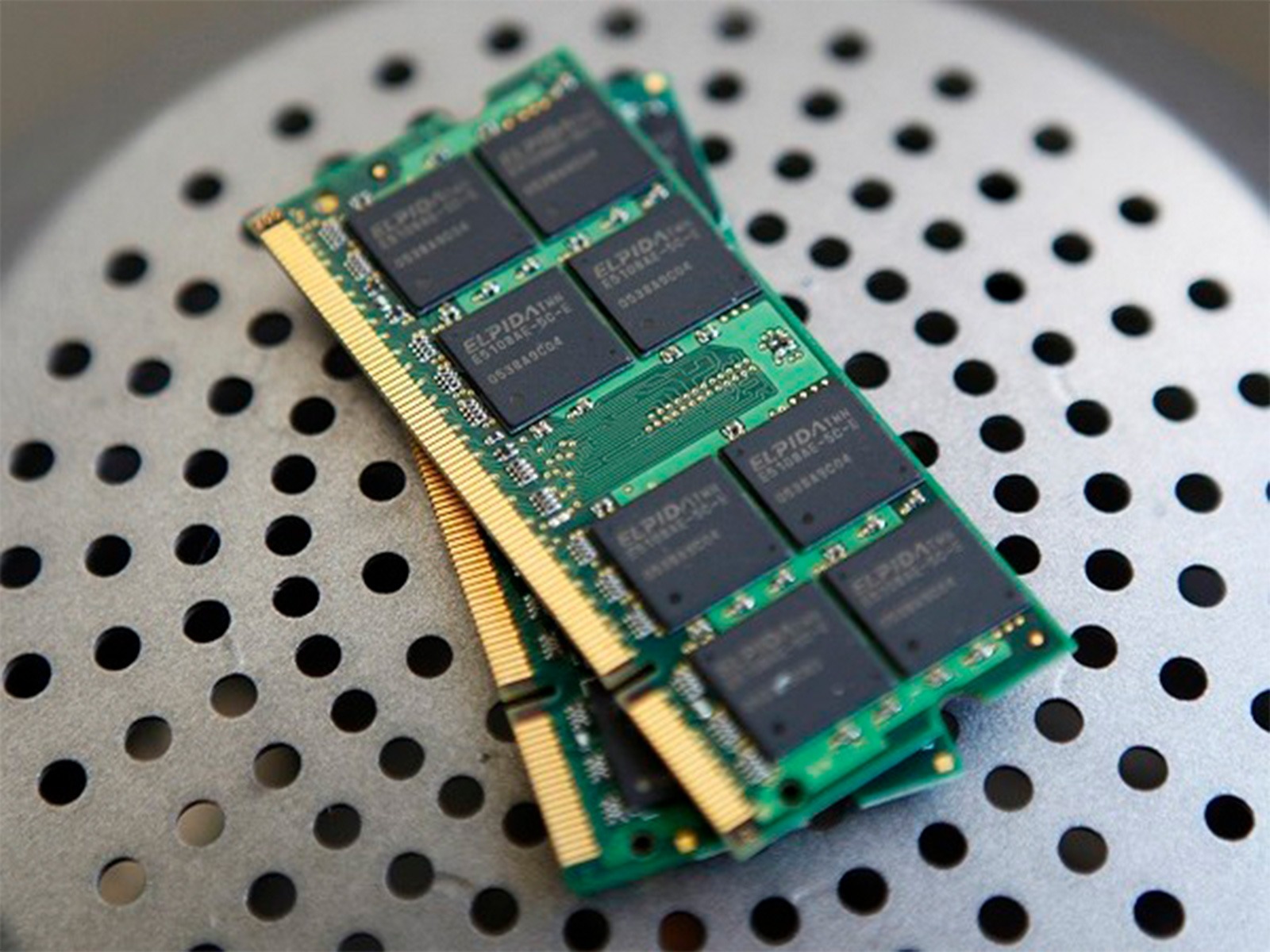
The report focuses on HS Chapter 85, which covers electrical and electronic equipment, including semiconductor devices and lithium-ion batteries that are central to India’s industrial and strategic supply chains.
“Our analysis reveals a persistent and widening trade deficit under HS Chapter 85, driven not by cyclical demand fluctuations but by structural gaps in India’s domestic manufacturing capacity,” the report said.
According to the study, India’s import dependence on China is concentrated in a relatively small group of core components, including motors, electrical machinery, cables and switching equipment. These are inputs used across sectors such as telecom infrastructure, consumer electronics and industrial machinery.
Highlighting the implications of this integration for India’s manufacturing strategy, Samira Sarah Abraham, Economics Lead at Koan Advisory Group and one of the report’s authors, said, “The depth of integration that has emerged across these product categories is a reality of the two economies. India’s manufacturing ambitions will be better served by finding ways to work with this integration rather than simply seeking to reverse it.”
The trend is particularly evident in lithium-ion batteries, where imports from China have more than doubled since 2021-22 to reach USD 3.9 billion in 2025-26. China accounted for 83.6 per cent of India’s total lithium-ion battery imports during the year.
The study said access to established global supply chains could help India expand domestic manufacturing in areas such as electric mobility and energy storage. It identified the policy challenge as using existing integration to deepen domestic capabilities and increase the share of value created within India.
Santosh Pai, Member of the Governing Council at the Institute of Chinese Studies, said, “The evidence shows that integration in electronics is not only deep, but expanding across a wider set of products over time. Crucially, it is concentrated in upstream and component-level manufacturing, where domestic capabilities remain uneven.”
He added, “Our findings point clearly to the fact that policy should focus not on broad-based shifts in trade exposure, but targeted localisation and accelerated value addition in specific high-impact segments.”
China also remained India’s largest source of semiconductor imports in 2025-26, accounting for 48.9 per cent of the total, ahead of Singapore at 8.4 per cent, Indonesia at 7.5 per cent and Vietnam at 6.6 per cent. China’s share, however, declined from around 64 per cent in 2024-25.
“Future industrial policy should prioritise localisation of upstream component manufacturing alongside final assembly,” the report noted. (ANI)
India’s electronics import reliance on China driven by core components, targeted localisation needed: Report