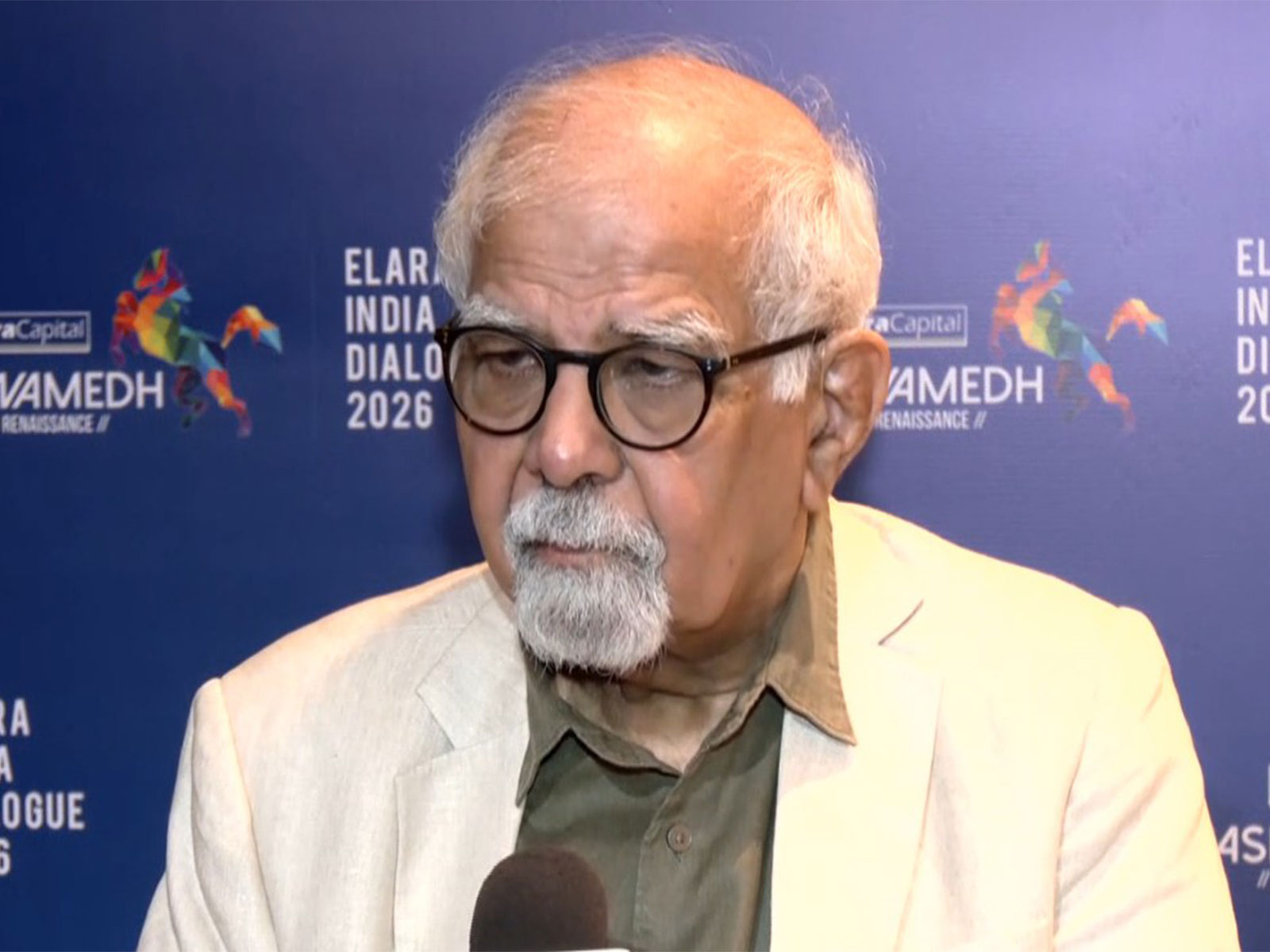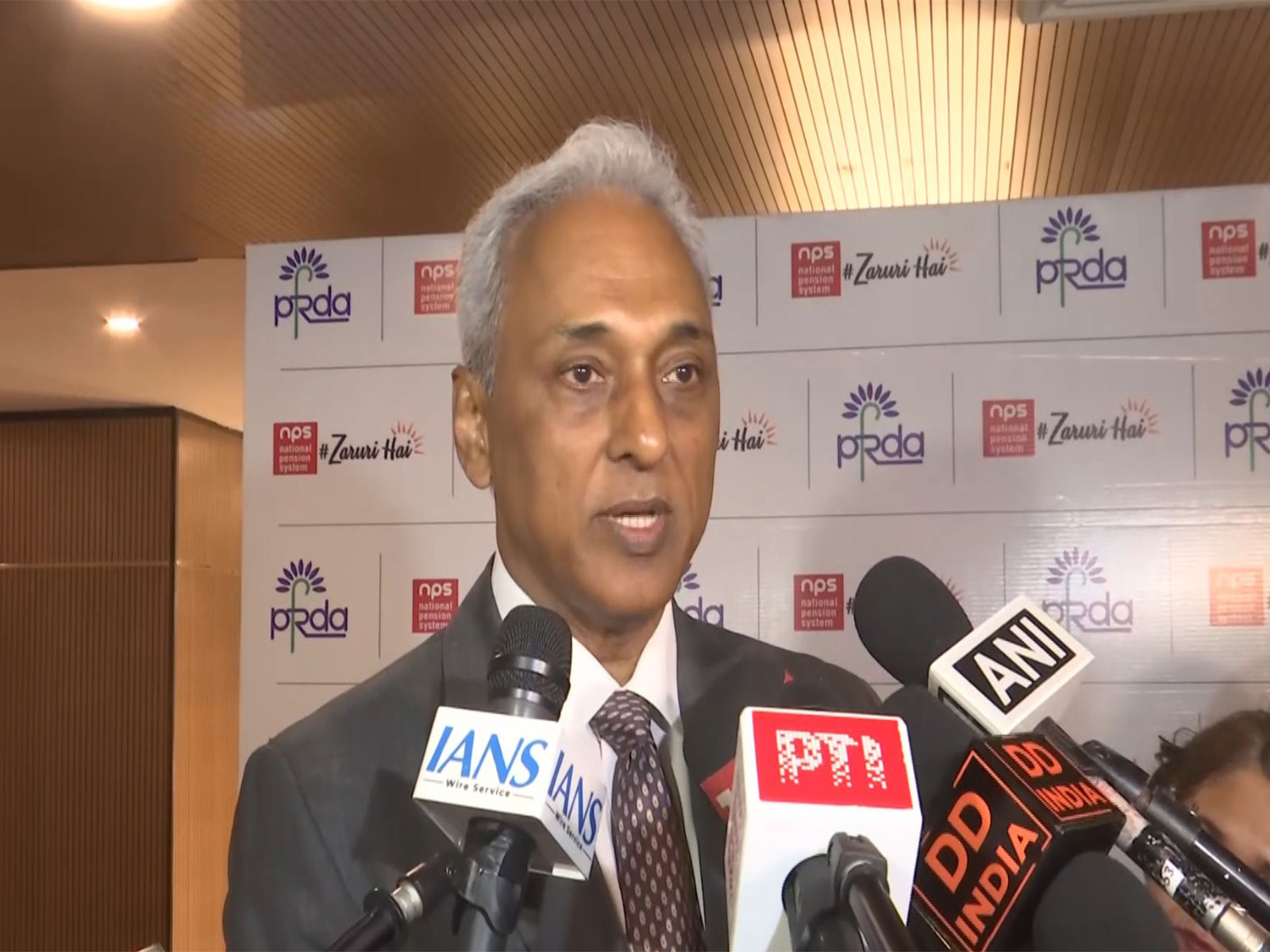
Mumbai (Maharashtra) [India], August 31 (ANI): India needs to raise its investment rate to around 34-35 per cent of GDP to accelerate growth, with higher private investment for long-term productivity and sustainable economic expansion, said former member of the Economic Advisory Council to the Prime Minister (EAC-PM) Surjit Bhalla.
Speaking to ANI on the sidelines of "Elara India Dialogue 2026: Aswamedh-India Renaissance" in Mumbai on Monday, Bhalla further noted, private investment has historically delivered higher productivity gains than government investment, noting that public investment is largely directed towards infrastructure, which can provide an immediate economic boost but tends to generate lower returns over time.
"You need government investment, but for productivity gains, as well as long-term growth sustainability, you need private investment," he said highlighting India's private investment has declined by five to seven percentage points since 2011-12, which is a "big gap."
As per Bhalla, India's current investment-to-GDP ratio of around 28-30 per cent supports a long-term growth rate of about 6.5 per cent, but raising the rate to 34-35 per cent would be essential to achieve 8 per cent growth.
Further, with global trade conditions unlikely to provide significant support, stronger domestic investment will be key to meeting India's 8 per cent growth target.
Bhalla emphasised foreign direct investment frameworks as a critical area requiring reform and criticised the 2015 Bilateral Investment Treaty (BIT) calling it the "most anti-investment treaty" and a significant barrier to foreign investment.
"BITS Treaty that we have, the 2015, is the most anti-investment treaty anybody in the world has ever seen....a major reason why our investment rate has fallen."
He also stressed the importance of regulatory reforms and improving the ease of doing business to revive investment.
Bhalla said the Department of Commerce, while not a regulator in the strict sense, is among the most important government bodies influencing investment, alongside regulators such as Securities and Exchange Board of India (SEBI), as its policies directly affect investment decisions. However, he stressed, "The major regulator is the government itself through its policies." (ANI)
India needs 34-35% investment-to-GDP ratio; private capex key to sustainable growth: Former EAC-PM member