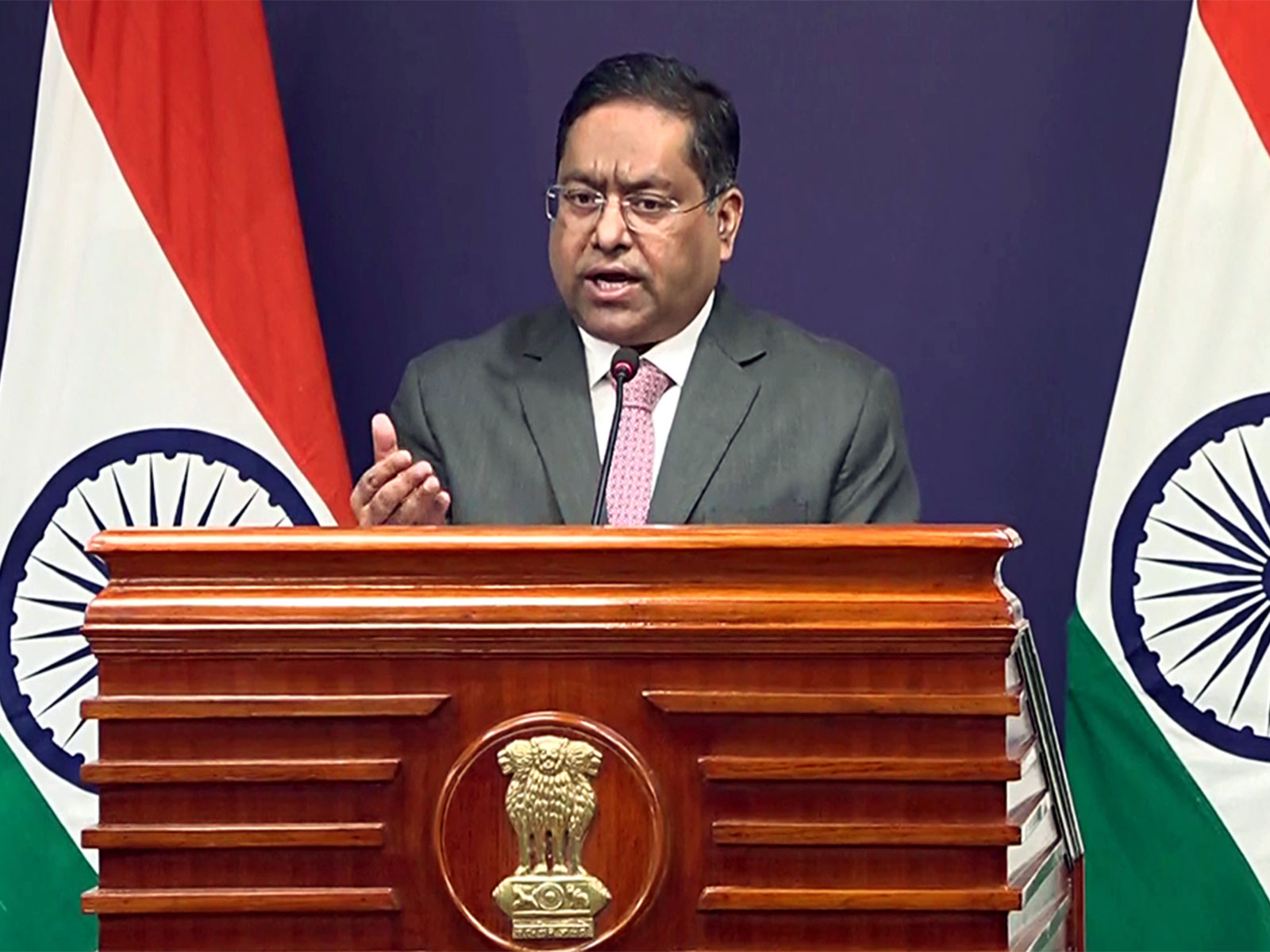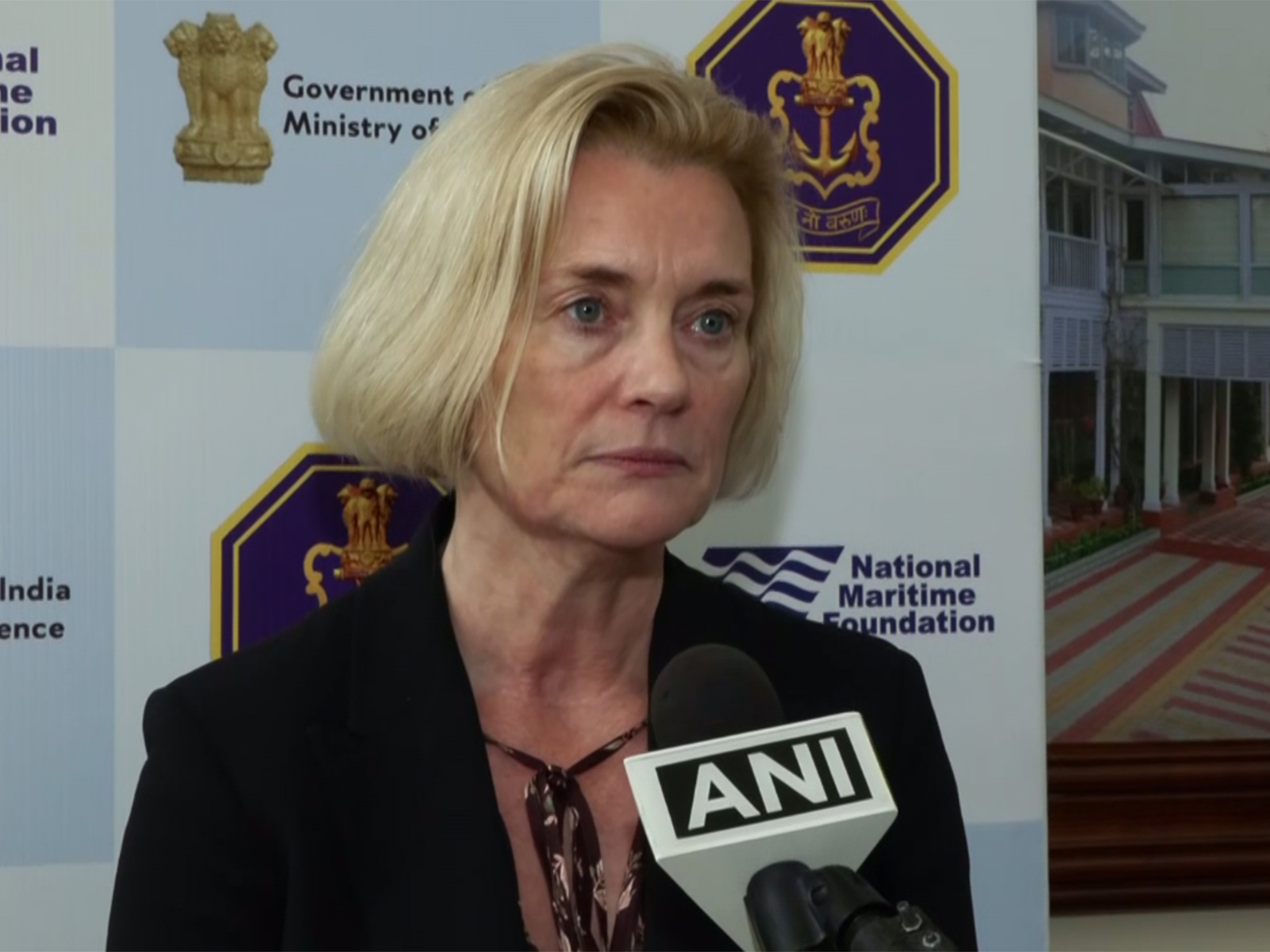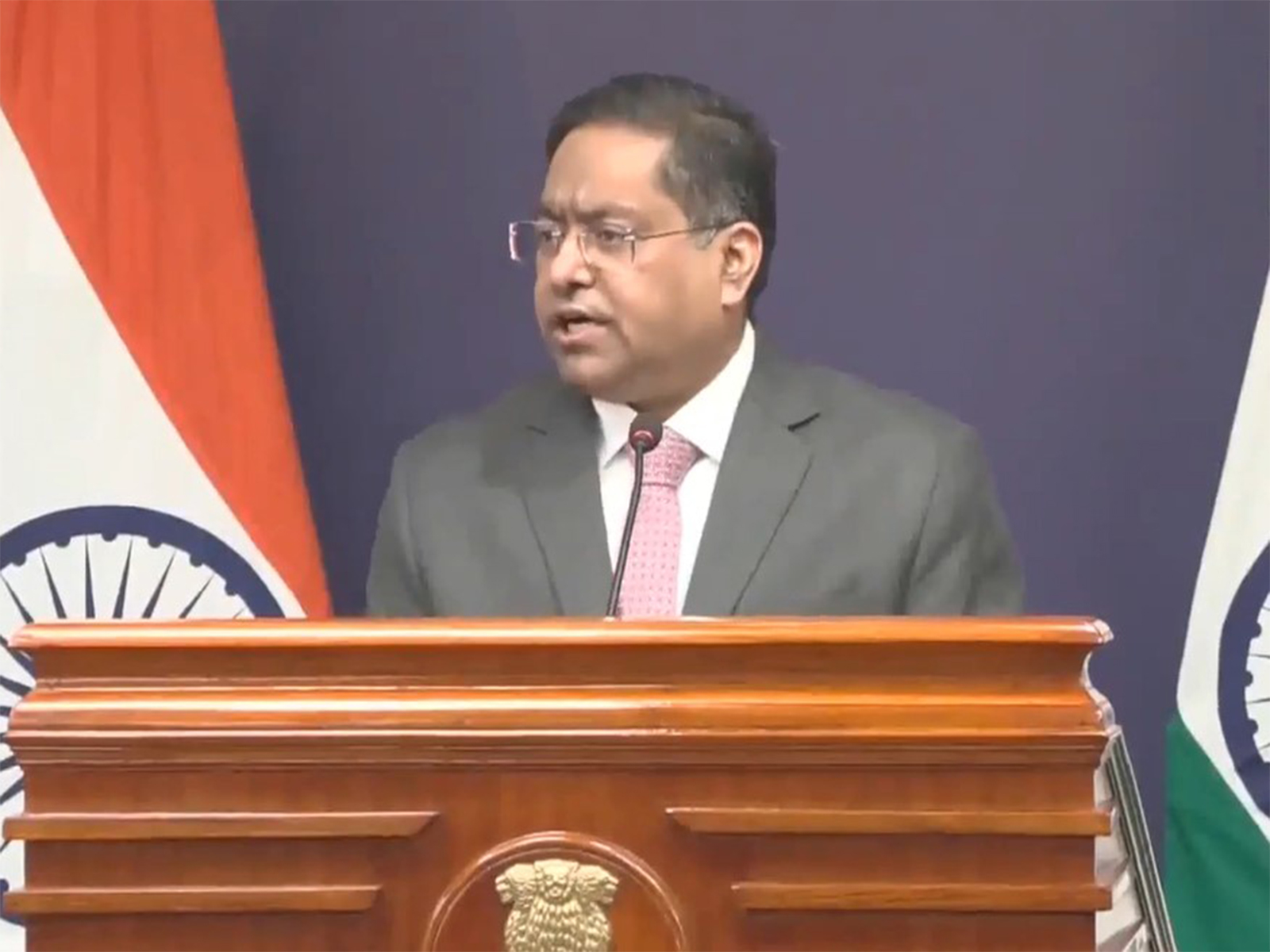
New Delhi [India], November 3 (ANI): Ministry of External Affairs spokesperson Randhir Jaiswal said on Tuesday that India is closely tracking ongoing internal unrest and garment workers' protests in Bangladesh while emphasising established bilateral frameworks to handle cross-boundary water issues and high-level diplomatic exchanges.
Addressing queries during a bi-weekly press briefing regarding the recent garment workers' protests in Bangladesh, Jaiswal underscored India's resolve to maintain a "positive and constructive" relationship with its neighbour.
"We have been following the situation in Bangladesh. There have been developments there, and we continue to follow those developments. As far as the India-Bangladesh relationship is concerned, we want to work towards a positive, forward-looking, and constructive relationship," Jaiswal stated.
Turning to matters of bilateral water management, specifically the Ganga Water Treaty, the spokesperson reiterated that any discussions regarding shared water resources will proceed through established bilateral mechanisms.
"As I have said earlier, between India and Bangladesh, we have a joint rivers commission, and that is the structured mechanism for discussion on all cross-boundary rivers, including the Ganga," Jaiswal stated.
The spokesperson also addressed the status of upcoming high-level diplomatic engagements between New Delhi and Dhaka, highlighting a standing invitation to Bangladesh's leadership.
"We have already extended an invitation to the Prime Minister of Bangladesh to visit India, and if there is an update, I will keep you informed," Jaiswal said.
His remarks come as protests by garment workers in Bangladesh entered their fourth consecutive day on Tuesday, with tensions flaring up again after several factories, particularly in Dhaka's Mirpur area, partially resumed operations in the morning.
Although workers had started returning to factories as operations gradually resumed, the situation became tense again as garment workers came out of factories and took to the streets. Police personnel were deployed to contain the situation and prevent further escalation.
In Mirpur, where some factories had begun reopening, a police presence remained in place amid lingering concerns over security. While operations were partially restored, renewed demonstrations indicated that tensions in the garment sector continued.
Garment workers are demanding a substantial increase in their minimum monthly wages, with the current minimum wage of BDT 12,500 falling short of their demand for BDT 30,000.
Meanwhile, a total of 12 platoons of Border Guard Bangladesh (BGB) personnel have been deployed to maintain law and order, ensure public safety and facilitate the smooth functioning of industrial operations amid labour unrest in Gazipur, Narayanganj and adjoining industrial areas, the BGB said in a statement on Tuesday.
The deployed personnel are carrying out their duties in coordination with the local administration and other law enforcement agencies, the statement added.
To effectively observe field-level situations and take prompt necessary action, the border force is conducting technology-based surveillance using drones and body-worn cameras. Drone surveillance has been intensified, particularly along key roads, intersections and sensitive areas.
At the same time, the activities of personnel deployed in the field are being monitored through body-worn cameras. The BGB said the technology also helps ensure transparency and accountability in the discharge of duties.
The security measures came after clashes broke out between garment workers and police in the Mirpur area of Dhaka as protests over wage demands entered their fourth consecutive day. Police resorted to tear gas and baton charges to disperse the protesters and bring the situation under control.
The clashes came hours after several garment factories, particularly in Mirpur, partially resumed operations in the morning, with workers beginning to return to their workplaces.
However, tensions flared again as workers came out of factories and took to the streets, prompting police to intervene. Security personnel used tear gas and baton charges to disperse the protesters and restore order.
Bangladesh Home Minister Salahuddin Ahmed alleged on Monday that industrialists and factory owners linked to the former Awami League government were instigating unrest in the country's garment sector.
"Some of them were MPs, ministers or state ministers at different times. We have information that these industrialists are behind the unrest, and it has been established," he said, as quoted by The Daily Star.
The minister alleged that groups supporting the ousted regime were exploiting workers to create instability through highway blockades, arson and violence. He also claimed that some individuals operating under the banner of labour organisations were involved in these activities.
He said the government had initially attempted to resolve the situation through dialogue despite receiving intelligence warnings about possible unrest. However, law enforcement agencies had now been instructed to take firm action against attempts to incite violence or disrupt public order. (ANI)
India monitoring Bangladesh's garment workers' protests, aims for "positive, forward-looking'" ties: MEA