New Delhi [India], September 29 (ANI): India has already built one of the world's most powerful financial access infrastructures. According to a recent report by EY, the country can also add over 100 million long-term investors by 2035, driven by rising participation from tier-2 and -3 cities, young investors, women, and digitally connected households.
The shift depends on partnering with different market stakeholders to move beyond basic digital access toward guided wealth creation.
The report noted that this growth opportunity stems from a largely untapped base of financially connected consumers. India has over 550 million active Unified Payments Interface (UPI) users, while around 62 million individuals invest in mutual funds and approximately 50 million actively trade in equity markets.
The geographic composition of domestic investors is widening. Cities beyond the top 110 locations now generate 12 per cent of mutual fund assets under management (AUM), and districts outside the top ten account for 70 per cent of National Stock Exchange (NSE) registered investors trading in the financial year 2025.
Demographic trends also show younger participation, with individuals under 30 representing 38 per cent of the investor base as of June 2026, compared to 23 per cent in FY19. In beyond-top-30 (B30) cities, women account for 25 per cent of investors, up from 20 per cent five years earlier.
Systematic Investment Plans (SIPs) make up 35 per cent of individual mutual fund AUM, up from 19 per cent in FY19. Micro-SIPs of roughly USD 2.6 alongside distribution partnerships spanning more than 250,000 rural touchpoints also extend market reach to first-time and underserved individuals.
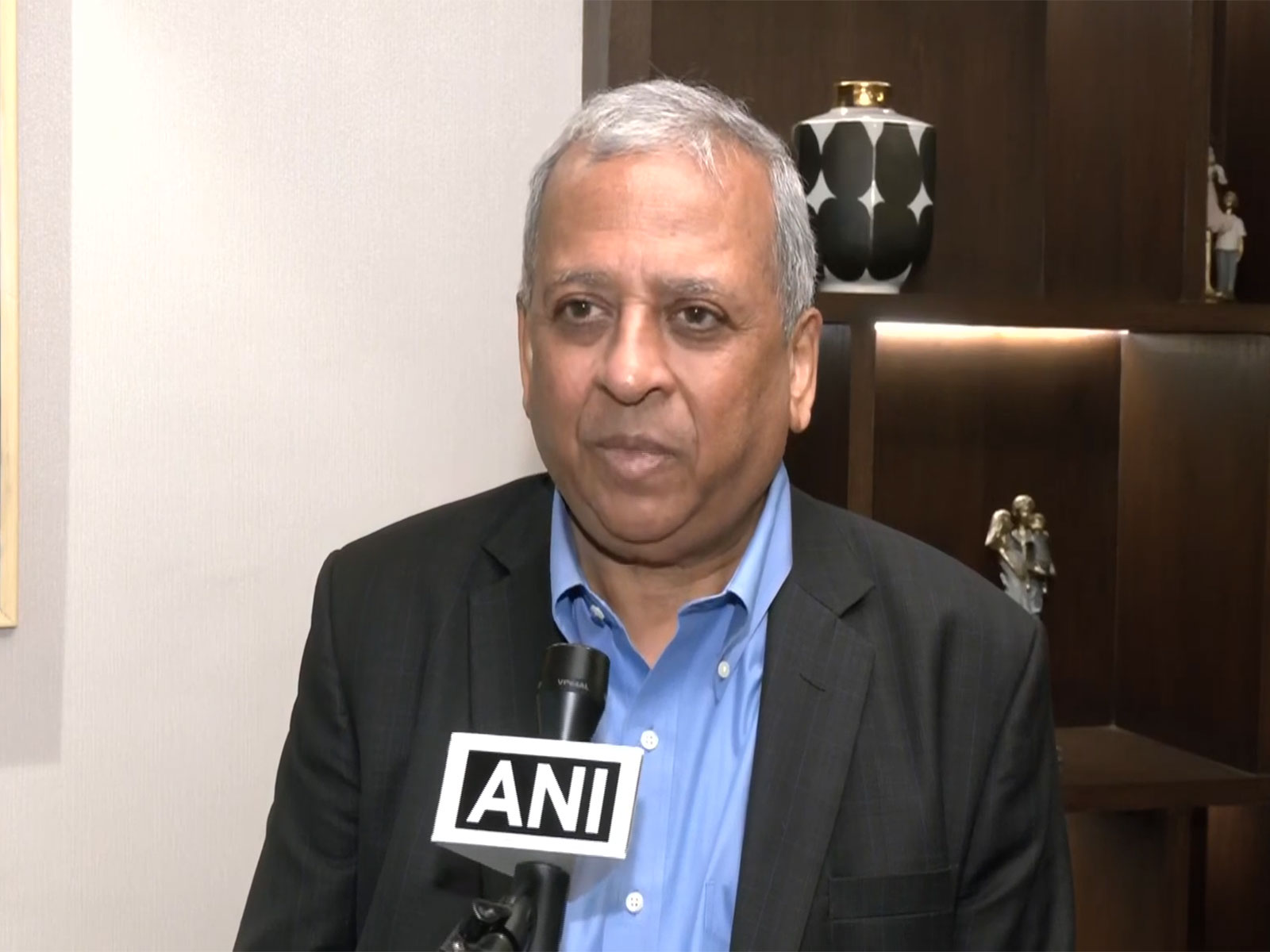
Pratik Shah, National Financial Services Leader at EY India, noted that the initial stage of financial development focused on inclusion, but the next phase requires broad engagement with asset ownership.
“India's first financial revolution was about connecting citizens to the financial system. The next one will be about connecting households to wealth creation,” Shah said.
“While the country has made remarkable progress in expanding access through digital public infrastructure, the ambition now is helping millions of Indians participate confidently in long-term investing,” he added.
“The next wave of growth will come from smaller cities, women investors, young professionals and emerging affluent households, many of whom need guidance as much as they need access,” Shah stated.
Household investable assets rose to nearly USD 5.2 trillion in FY25, and individual investors hold an 18.7 per cent share of the equity market across direct holdings and mutual funds. Even so, market penetration remains muted because retail households frequently view investment products as complex and volatile. To solve this, the report proposes a five-layer "Wealth Stack" encompassing access, data, intelligence, advice, and trust to assist households through institutional collaboration.
Vishal Madia, Partner – Wealth and Asset Management at EY India, highlighted the role of integrated financial architecture in enabling this expansion.
“India has successfully built the digital infrastructure for financial access; the next opportunity is to build the infrastructure for wealth creation,” Madia said.
“By combining DPI, consented data sharing, AI-driven intelligence and scalable advice, India can create a Wealth Stack that democratizes investing, strengthens financial capability and enables millions of households to participate meaningfully in long-term wealth creation,” he added.
The report projected individual mutual fund assets to surpass USD 3 trillion by 2035, with retail direct equity holdings reaching between USD 2.5 trillion and USD 3 trillion. (ANI)
India can add over 100 million long-term investors by 2035, driven by tier-2/3 cities: EY report