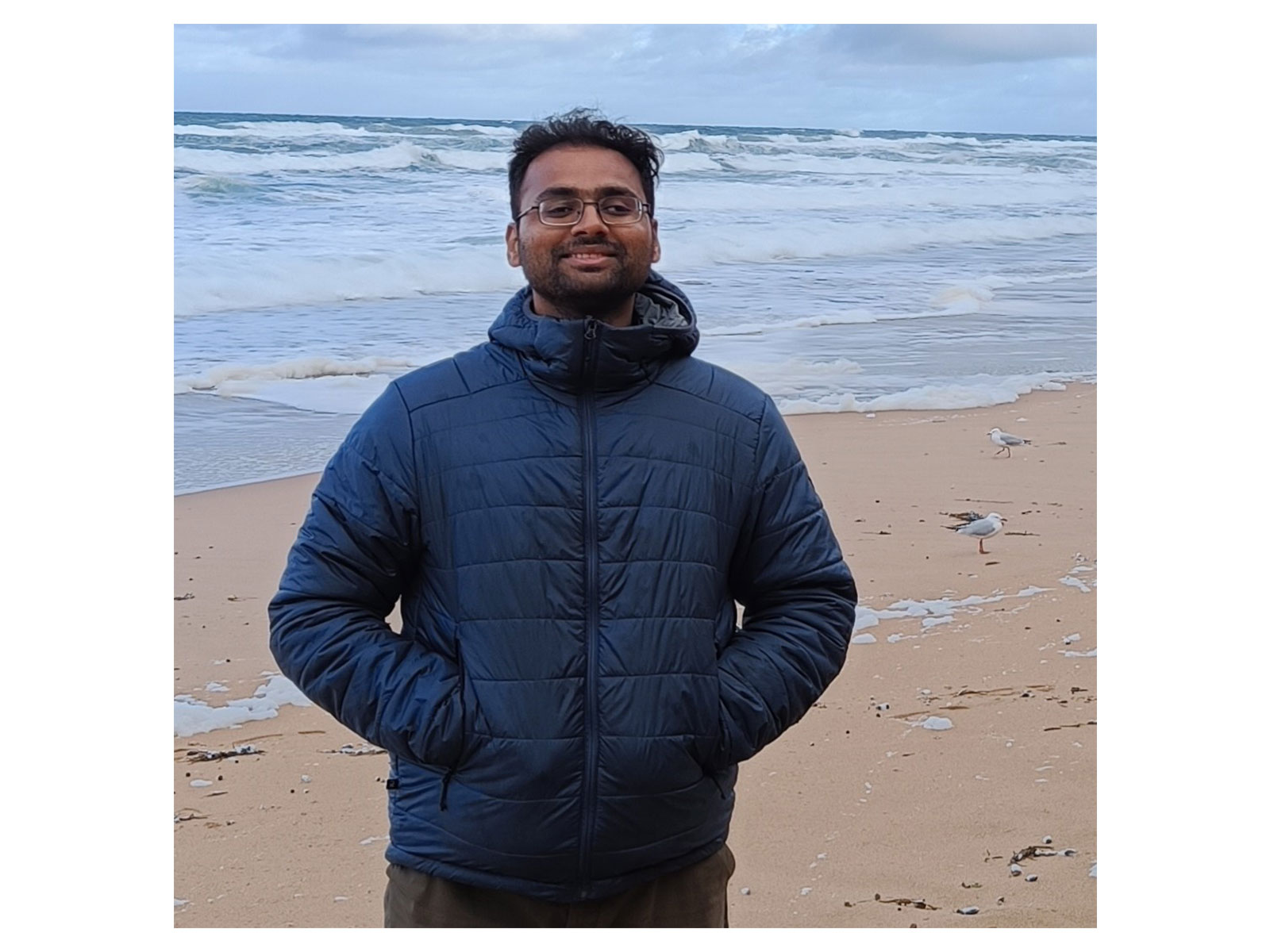
Guwahati (Assam) [India], September 10 (ANI): A study conducted by Prof. Bhaskar Jyoti Neog, Assistant Professor, Department of Humanities and Social Sciences at Indian Institute of Technology Guwahati, has revealed that extreme temperatures can influence how children allocate their time between learning and leisure.
Published in the prestigious Review of Economics of the Household, a Springer Nature journal, the study highlights an important, but less explored, pathway through which climate change and extreme weather may affect children’s well-being and human capital formation.
By examining the data from India’s nationally representative Time Use Survey, 2019, and correlating it with daily weather information, Prof. Neog found that children tend to substitute leisure for learning on days with extreme temperatures.
Prof. Neog also found a decline in school or college attendance on hot days, suggesting that extreme weather can affect children's daily learning not only through conventional educational outcomes, but also by directly changing how they spend their time.
Commenting on the significance of the findings, Prof. Bhaskar Jyoti Neog said, “The research provides significant insight into the growing knowledge on the economic consequences of weather by examining children's time allocation as a direct channel through which weather can affect well-being and human capital formation. Most of the evidence from developing countries has focused on indirect effects of weather, particularly through agricultural productivity and household agricultural incomes. By focusing on children's daily activities, the study draws attention to an additional dimension of the economic and welfare costs associated with extreme weather.”
The study also finds evidence of acclimatisation over the longer term. The relationship between weather and children’s time use is weaker in locations that generally have warmer climates, indicating that people may adjust their behaviour to the climate conditions they experience over time.
However, the study does not find conclusive evidence of similar adaptation to unpleasant weather in the short term.
The effects also vary across socio-economic groups. The temperature-time-use relationship is found to be weaker among boys, children from more educated households and relatively well-off households. These differences point towards the importance of household resources and other socio-economic characteristics in shaping children's ability to cope with extreme weather.
The study further examines the potential implications of future climate change for children's allocation of time. Using future climate projections, it explores how changes in weather conditions could affect learning and leisure towards the end of the century under a future climate scenario, assuming no additional adaptation.
According to the study, the findings underscore the need for climate-resilient education systems. Policy measures could include: Strengthening school infrastructure to withstand extreme weather, ensuring continuity of learning during periods of climate stress, considering flexible school hours and academic calendars, and expanding blended or digital learning options where appropriate.
The researcher also emphasised the importance of ensuring that climate adaptation measures do not widen existing inequalities. Children and communities with limited access to protective infrastructure, cooling facilities and digital technologies may be particularly vulnerable to disruptions caused by extreme weather.
The study is specifically relevant for education policy, climate adaptation, school infrastructure planning and efforts to reduce educational inequalities.
It also opens several avenues for further research, including examining the effects of weather on other dimensions of children's well-being such as sleep, physical activity, health, cognitive and non-cognitive development, and social interaction.
As the next step, Prof. Neog plans to investigate the mechanisms through which children, households and educational institutions adapt to extreme weather, and evaluate the effectiveness of interventions such as climate-resilient school infrastructure, flexible academic schedules and alternative modes of learning. (ANI)
IIT Guwahati study finds extreme temperatures reduce children’s learning time