SMPL
Kolkata (West Bengal) [India], September 7: Indian students picking a university abroad aren't just asking, "How good is the course?" anymore. Increasingly, they want to know what happens after graduation. Will this degree actually help me land a job, understand an industry, or build the skills employers care about? Universities in the UAE seem to have picked up on this shift, and many are now weaving internships, industry projects, and career-focused learning directly into their academic programmes.
Study From UAE, a platform that helps Indian families navigate higher education options in the Emirates, says career readiness has become one of the biggest factors students and parents weigh before choosing a university.
A degree used to be the whole point. Now it's just the starting point. Students want to know how their coursework connects to actual industries, whether they'll get real exposure to workplaces, and how prepared they'll be to compete in a global job market once they graduate.
"Indian students today are looking beyond the academic programme while selecting an international university," says Dr. Vikram Kumar, Managing Director at Study From UAE. "They want to understand how their education will connect with the real world, whether they will receive industry exposure, and how the overall experience can prepare them for future career opportunities. Universities in the UAE are increasingly addressing this by bringing academics and professional exposure closer together."
Learning by doing
Across the UAE, universities are building experiential learning right into their programmes: internships, live industry projects, guest lectures, corporate interactions, and career-development workshops are becoming standard rather than optional extras. The idea is simple: let students test what they're learning in the classroom against real workplace situations so they understand what's actually expected of them once they start working.
Internships in particular seem to matter a lot here. They give students a chance to try out different roles and sectors before they've committed to a career path, which can make that eventual decision a lot less of a guessing game.
An economy built for exposure
Part of what makes this work is the UAE itself. It's home to a genuinely diverse business landscape: tech, finance, healthcare, aviation, hospitality, logistics, consulting, and retail, much of it operating at a regional or global scale. Studying there means students aren't just learning about these industries in theory; they're often surrounded by them.
And it's not only technical knowledge that employers are after. Communication, teamwork, adaptability, problem-solving, leadership, and digital fluency. These "soft" skills increasingly top hiring checklists. By blending coursework with real projects and industry contact, universities are giving students a chance to build these abilities while they study, instead of scrambling to pick them up once they're already job-hunting.
A genuinely international classroom
The UAE's multicultural makeup adds another layer to the experience. Classrooms bring together students and faculty from all over the world, which means Indian students end up collaborating with people from completely different cultural backgrounds as a matter of course, not as a special programme.
That kind of everyday cross-cultural exposure builds communication skills and comfort working in diverse teams, both increasingly non-negotiable in global workplaces. And for Indian families, there's a practical upside too: the UAE's proximity to India, and its strong connectivity to major Indian cities, means students get an international experience without being too far from home.
Rethinking what "choosing a university" means
Put together, these pieces (academics, industry exposure, and international experience) are starting to reshape how students evaluate their options.
"Students should look at international education as a complete journey rather than only a degree," Dr. Kumar adds. "Academic quality is important, but so are practical exposure, professional networks, industry understanding, and the skills required to operate in a global workplace. The closer universities can bring these elements together, the better prepared students can be for the transition from education to employment."
As more options open up for Indian students abroad, families are also becoming more thorough in how they evaluate them, weighing not just university rankings but internships, admission requirements, scholarships, and career-development support before making a final call.
Study From UAE says its goal is to make that evaluation easier, helping Indian students and parents find the information they need, covering universities, programmes, and everything in between, to make a decision that actually fits their goals.
The bigger picture here is a shift in what higher education is meant to do: less about preparing students to pass exams, and more about preparing them for careers in a world that's only getting more interconnected. For Indian students chasing both international exposure and real career preparation, the UAE's higher education scene looks like it's building exactly that kind of bridge.
About Study From UAE
Study From UAE is an education platform helping Indian students and families explore higher education opportunities across the United Arab Emirates, covering universities, programmes, admissions, scholarships, visa requirements, and other student resources to support informed decision-making.
(ADVERTORIAL DISCLAIMER: The above press release has been provided by SMPL. ANI will not be responsible in any way for the content of the same.)
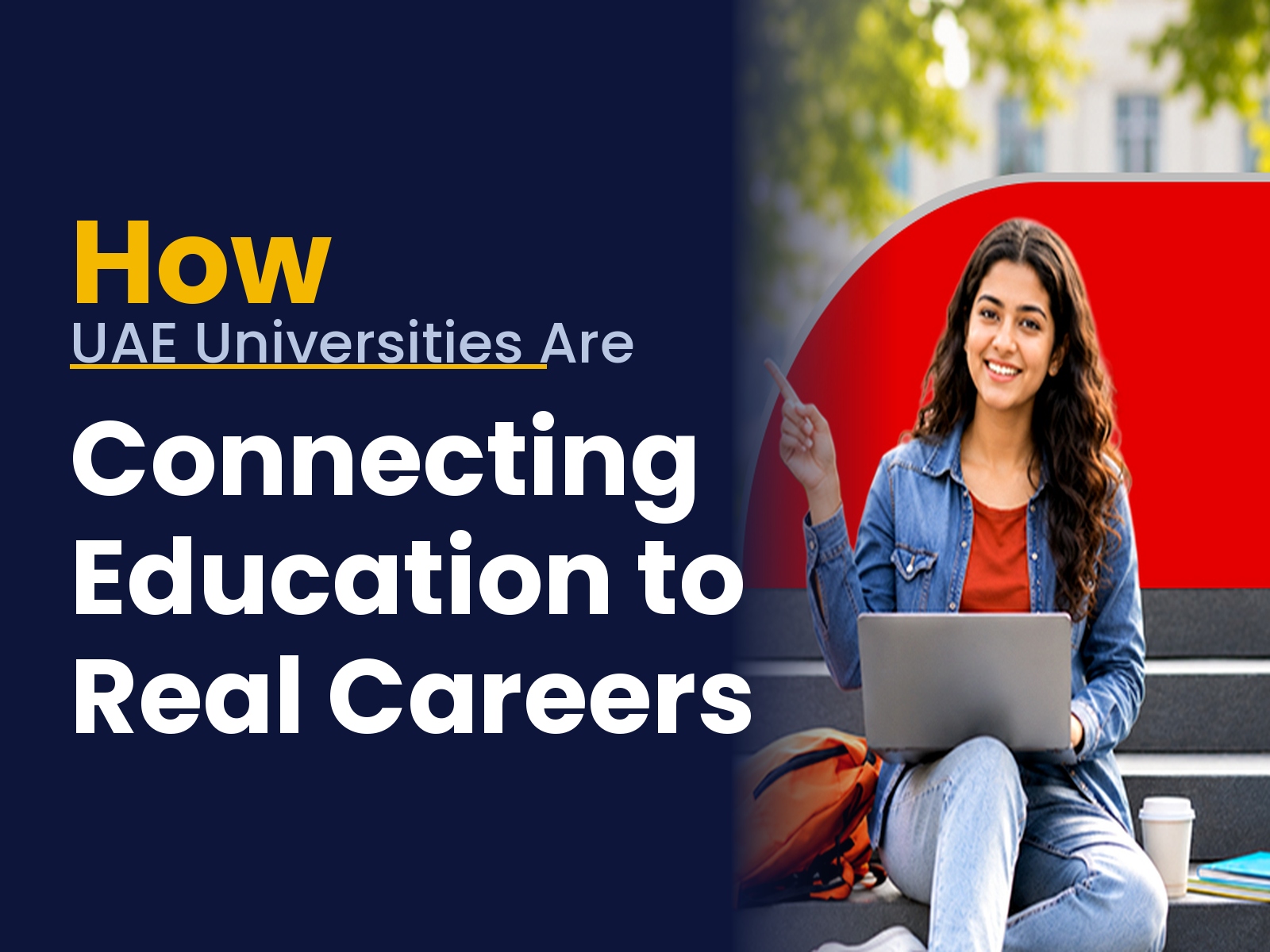
How UAE Universities Are Connecting Education to Real Careers