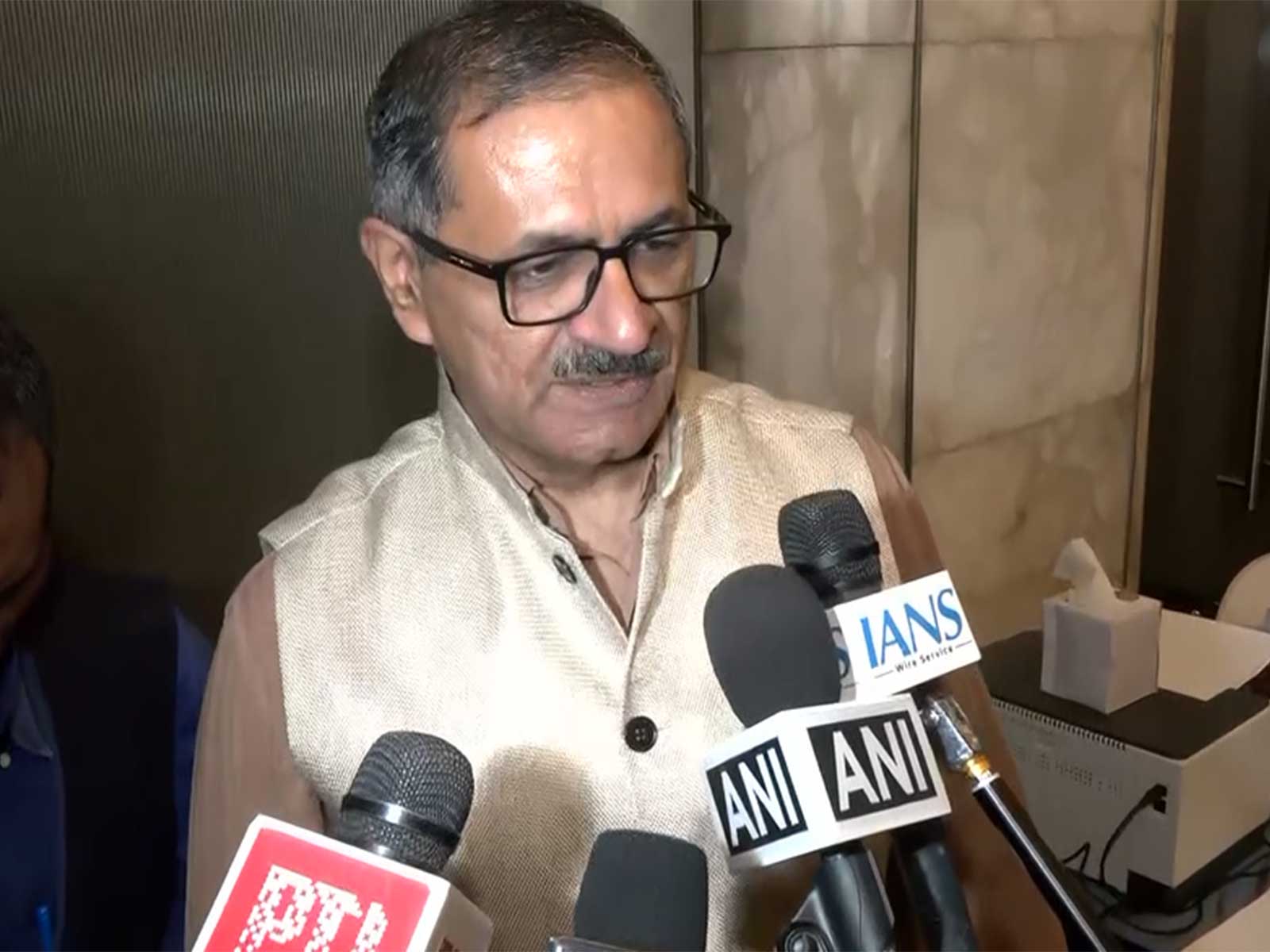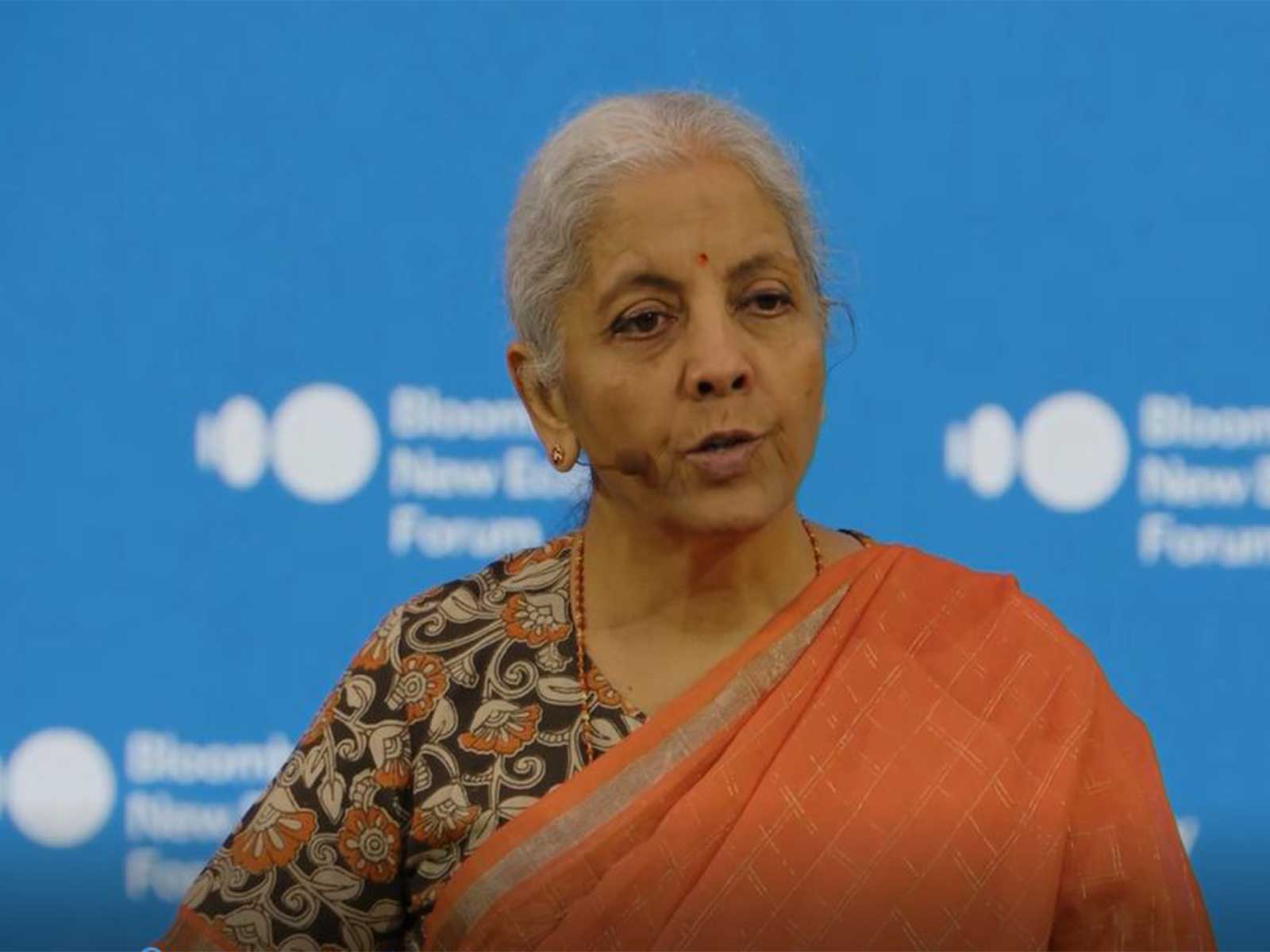
New Delhi [India], October 13 (ANI): Free trade agreements (FTAs) and economic partnerships are creating new opportunities for Indian micro, small and medium enterprises (MSMEs) in global markets, but quality and competitiveness will be crucial for their growth, Bharat Khera, Secretary, Ministry of MSME, said on Tuesday.
Speaking to ANI on the sidelines of the CII’s 23rd Global MSME Business Summit 2026, Khera said MSMEs must improve their quality and competitiveness to benefit from the growing opportunities in international markets.
“MSMEs are expanding global markets because there are a lot of new opportunities that are getting unlocked as a result of the FTAs and economic partnerships which are being entered into. And there is one single thing which MSMEs need to focus on, that is their quality and competitiveness,” he said.
Khera said the ministry was following a comprehensive approach to strengthen the MSME sector and increase its contribution to the vision of Viksit Bharat 2047.
He outlined five key priorities: formalisation of enterprises, access to finance, quality improvement and technology adoption, export competitiveness, and entrepreneurship and skill development.
On formalisation, Khera said sustained efforts to bring informal businesses into the formal economy had resulted in 9.8 crore enterprises registering on the Udyam platform, helping them access institutional support.
He said initiatives such as the Credit Guarantee Scheme for Micro and Small Enterprises and the Trade Receivables Discounting System (TReDS) had improved access to finance for MSMEs.
“TReDS discounting was Rs 40,000 crore in 2022-23 and last financial year it touched Rs 3.5 lakh crore. So there has been a major jump in financing through TReDS,” Khera said.
He added that outstanding credit to the MSME sector had increased fourfold, from around Rs 10 lakh crore a decade ago to nearly Rs 40 lakh crore.
On improving quality and productivity, Khera highlighted the Zero Defect, Zero Effect (ZED) scheme, which encourages MSMEs to adopt quality standards and improve manufacturing practices.
He said the number of bronze-level certifications had increased, but adoption of silver and gold certifications remained low. The ministry would work with the Quality Council of India and the National Productivity Council to encourage more enterprises to adopt higher quality standards.
Khera also stressed the need to make technology more accessible to enterprises of all sizes. He said industry should work more closely with the government’s technology centres to support technology adoption among MSMEs.
On exports, he said first-time exporters needed greater support, particularly small businesses in remote areas that faced logistical challenges. Better export preparedness and facilitation would help these enterprises enter international markets, he added.
Highlighting the role of larger companies in developing smaller businesses, Khera said established enterprises could support MSMEs through innovation, technology transfer, vendor development and integration into supply chains.
“There are many enterprises that have now become champions as a result of the Production Linked Incentive schemes offered in 13-14 sectors,” he said.
He added that vendors in Tier-II and Tier-III cities, many of which are MSMEs, must also meet quality standards to improve the overall quality of products across the supply chain.
Khera said 80 per cent of the Confederation of Indian Industry’s (CII) members belonged to the MSME sector and urged larger companies to support the growth of smaller enterprises.
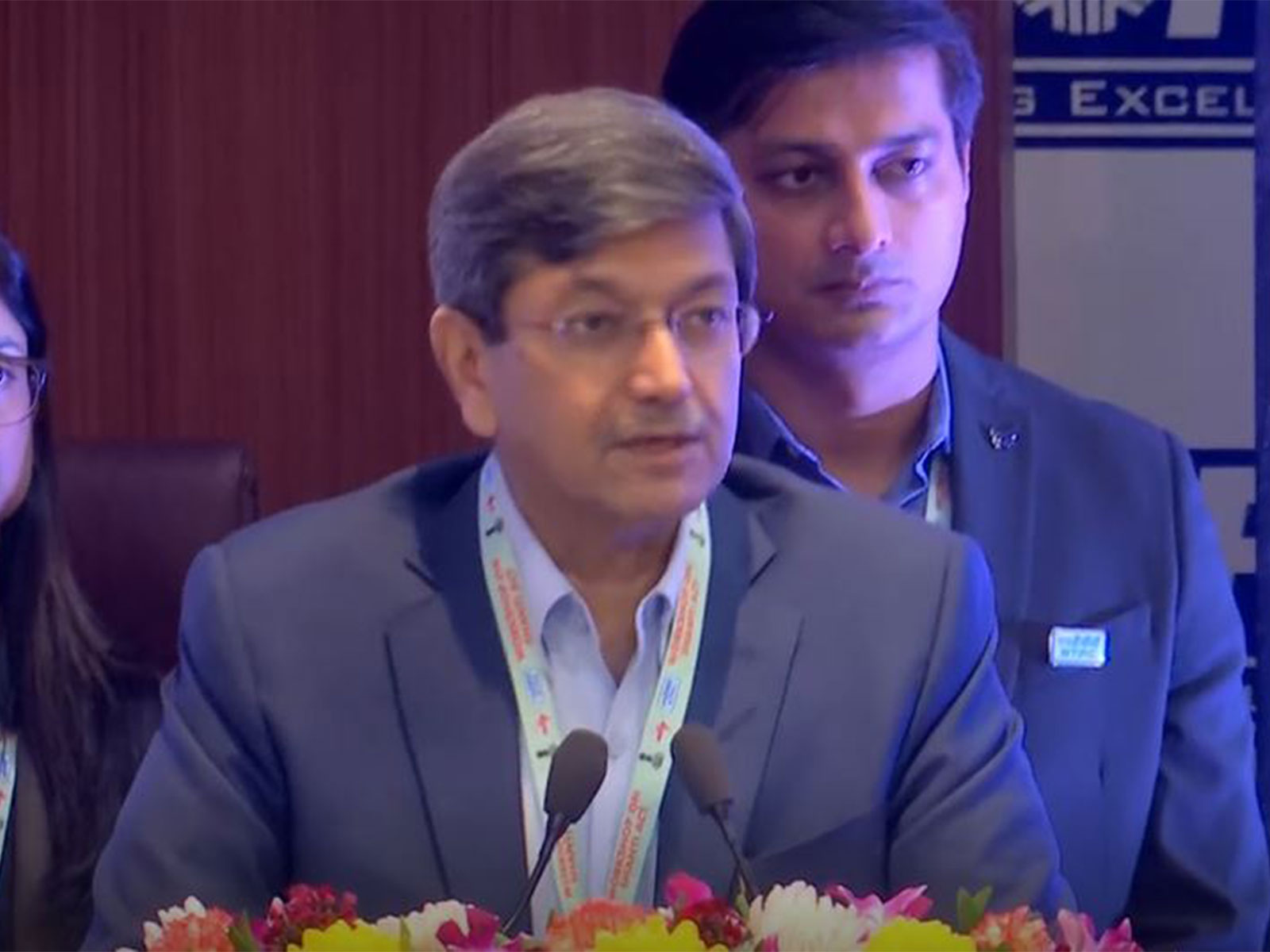
“Our shared goal must be to build an MSME sector that is more productive, innovative, resilient, and globally competitive,” he said.
He added that stronger coordination between the government and industry would help generate employment, boost exports, strengthen manufacturing and supply chains, and contribute to the vision of Viksit Bharat 2047. (ANI)
FTAs open global markets for MSMEs; quality and competitiveness key: MSME Secretary