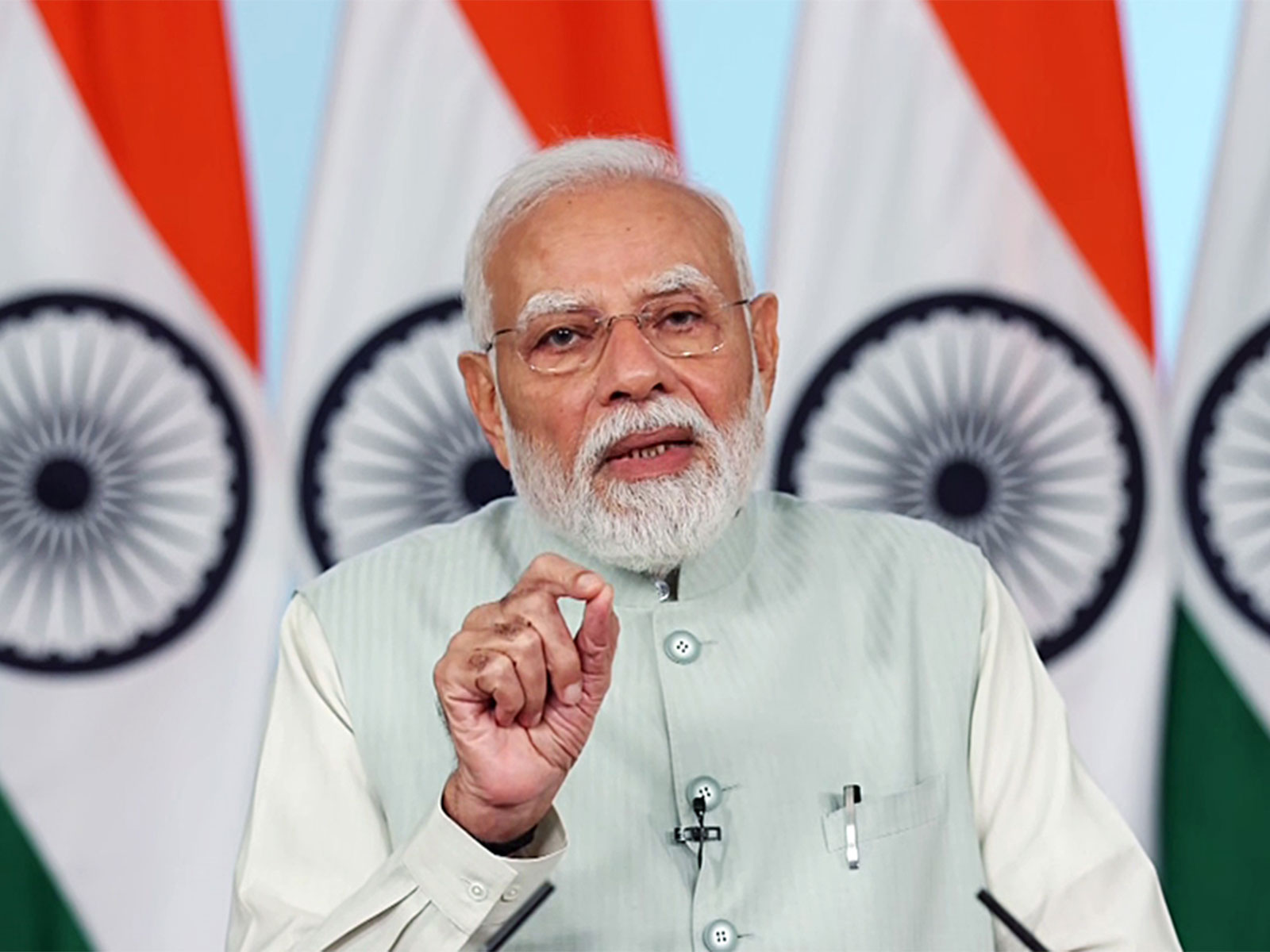
Mumbai (Maharashtra) [India], November 17 (ANI): With inflation putting pressure on household budgets and health consciousness rising across India, fast-moving consumer goods (FMCG) companies must rethink their pricing, product formulations and communication strategies to cater to increasingly health-conscious consumers, said Ravi Kapoor, Partner and Leader, Retail and Consumer, PwC.
Speaking to ANI, Kapoor highlighted findings from PwC's global consumer survey, noting that scaling nutritious and functional food products in Tier-3 and Tier-4 markets requires efficient supply chains and effective cost management.
"If you look at any food company today, the biggest cost piece is the ingredients and your ability to anticipate what kind of demand you will be able to get," Kapoor said, highlighting the importance of managing input costs and anticipating consumer demand.
He emphasised that FMCG companies must strike a balance between profitability, affordability and product performance to sustain growth across rural and urban markets.
"There is this important triad of profit, pricing, and performance: profit for the brand, price for the consumer, and performance for the consumer as well," he noted.
Rather than modifying existing products and potentially alienating price-sensitive consumers, Kapoor suggested that companies introduce targeted offerings for consumers seeking healthier alternatives.
"If your brand has stood for a particular feature or a particular equity that you enjoy with the consumer, I think the imperative for the brand is to continue the offer that you have been giving to the consumer consistently," he explained.
Addressing growing consumer scepticism and digital misinformation, Kapoor highlighted the importance of clear and credible communication, noting that consumers often struggle with either excessive or insufficient product information.
"Simplicity is very, very important in communication. Consistency is very important in communication, and having credibility—giving them a clear reason to believe what you say," he stated.
He suggested that companies use interactive packaging and relatable micro-influencers to build consumer trust, particularly in smaller towns where digital literacy may be relatively limited.
Kapoor also emphasised the need for financially sustainable business models tailored to different consumer segments.
"You need to build a business model for each segment that stands on its own legs for the long term," he said.
Summarising the key priorities for FMCG wellness brands, Kapoor identified three pillars: "Product, communication, and segmentation of the consumer base."
Meanwhile, PwC on Tuesday released its survey report, titled "Voice of the Consumer 2026: India Perspective", which revealed that 97 per cent of Indian consumers prioritise long-term well-being.
The report, based on a global survey of more than 21,800 respondents across 27 territories, including 1,005 respondents from major Indian metropolitan cities and Tier-2 and Tier-3 locations, highlighted growing health awareness among consumers.
According to the findings, 53 per cent of Indian respondents track protein intake, 50 per cent monitor fibre consumption and 49 per cent track calories.
The survey also revealed that 42 per cent of Indian respondents exercise daily, compared with the global average of 19 per cent, while 90 per cent use health-related applications or wearable devices.
The report identified five consumer segments: data-driven optimisers (29 per cent), value-seeking optimisers (21 per cent), social wellness seekers (19 per cent), holistic harmonisers (13 per cent) and low-engagement consumers (19 per cent), highlighting the need for targeted product offerings and communication strategies. (ANI)
FMCG brands should avoid changing legacy products, focus on health-conscious consumers: PwC's Ravi Kapoor