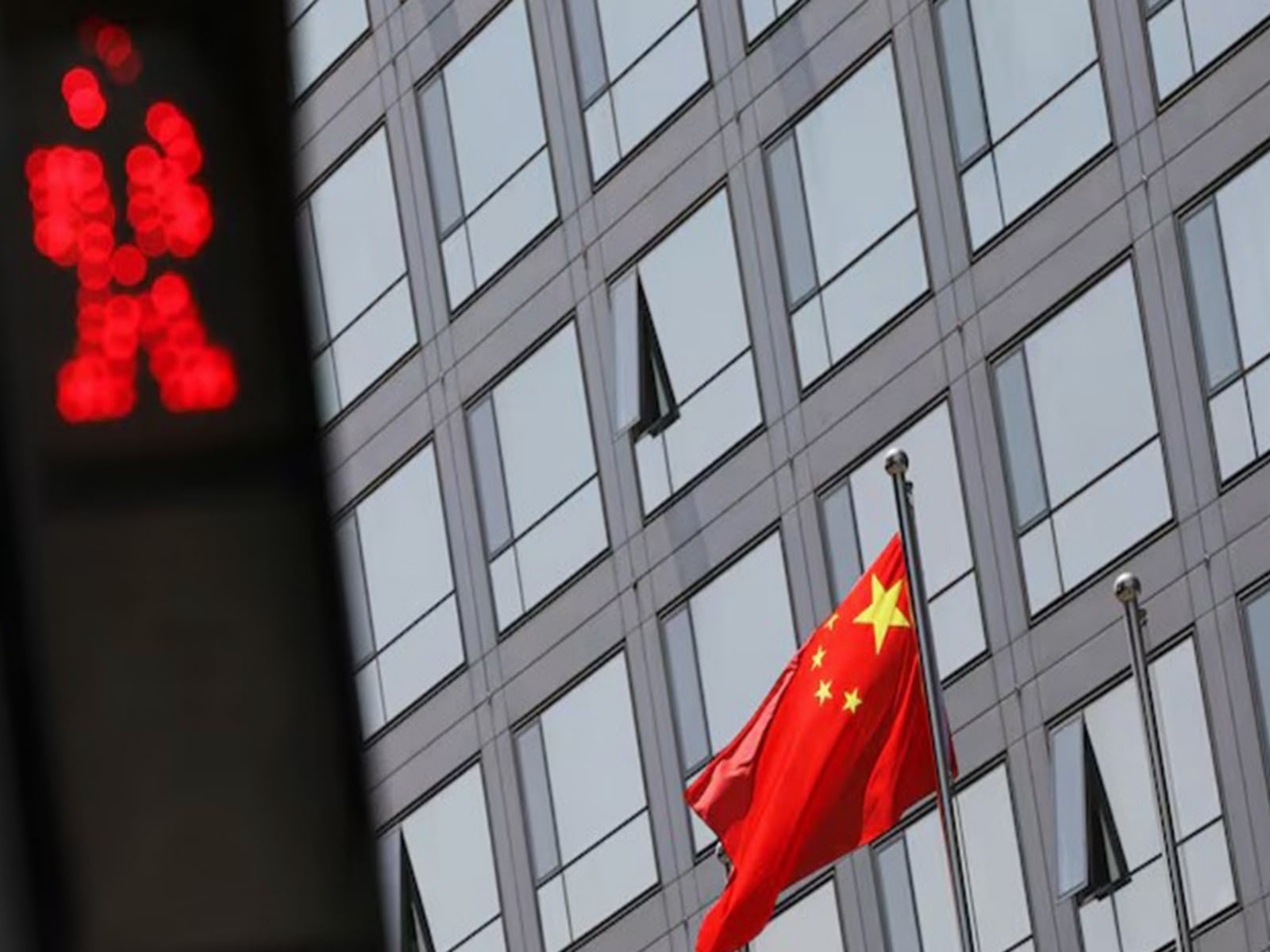
Taipei [Taiwan], November 16 (ANI): China is expected to continue using economic incentives, energy deals and alleged political influence to persuade Pacific Island nations to sever diplomatic ties with Taiwan, despite growing weaknesses in its domestic economy, analysts have warned, according to a report by The Epoch Times (TET).
The report highlighted growing concerns over Beijing's alleged efforts to expand its influence in the South Pacific following Papua New Guinea's (PNG) decision to order Taiwan's representative office to cease operations.
According to TET, Taiwan's Ministry of Foreign Affairs stated on November 12 that PNG's decision to give Taipei's diplomats just one week to leave the country could be linked to Beijing's indication that it would purchase more natural gas from Port Moresby.
Taipei had announced on November 6 that it would proactively close its representative office after PNG ordered it to stop operations in July, initially offering a grace period of approximately one year. On November 9, Beijing welcomed the decision and signalled its willingness to increase purchases of liquefied natural gas from PNG, China Daily reported.
Grant Newsham, a retired US Marine officer and former US diplomat, told TET that Beijing may have used financial incentives and political influence to persuade key officials in PNG to close Taiwan's representative office. He described such practices as part of China's broader strategy of cultivating relationships with political and business elites across the Pacific.
Newsham argued that Beijing would continue spending money to isolate Taiwan despite economic difficulties at home. China's manufacturing Purchasing Managers' Index (PMI) fell to 49.3 in October from 50.1 in September, while its non-manufacturing PMI declined to 49.7 from 50.2, according to data released by China's National Bureau of Statistics on October 31.
Henryk Szadziewski, an affiliate at the University of Hawaii at Manoa's Center for Pacific Islands Studies, offered a different assessment, saying Beijing's natural gas offer was intended to portray China as a reliable partner and strengthen its position in the regional rivalry with Taiwan. However, he described the move as more about political messaging than any firm economic commitment.
TET noted that Taiwan currently maintains formal diplomatic relations with only 12 countries. In the Pacific, Nauru switched recognition to Beijing in January 2024, while the Solomon Islands and Kiribati made similar decisions in September 2019.
The report also highlighted China's military activities in the Pacific, including a July 6 submarine-launched long-range missile test that drew criticism from the United States, Japan, Australia, New Zealand and Taiwan.
Newsham urged Washington, Canberra and Taipei to collectively expose what he described as China's strategic corruption and attempts to purchase regional influence.
The report further cited China's pressure on Palau, another Taiwanese diplomatic partner. Palauan President Surangel Whipps Jr. reportedly rejected a Chinese envoy's demand to exclude Taiwan from the Pacific Islands Forum. Beijing subsequently issued a travel warning for Palau on August 19.
Szadziewski said economic incentives would remain Beijing's primary instrument for weakening Taiwan's remaining regional partnerships, while Newsham warned that China's offers of infrastructure, communications networks and tourism could target all Pacific nations, regardless of their diplomatic recognition of Taiwan. (ANI)
China uses economic incentives to isolate Taiwan in Pacific amid Papua New Guinea row