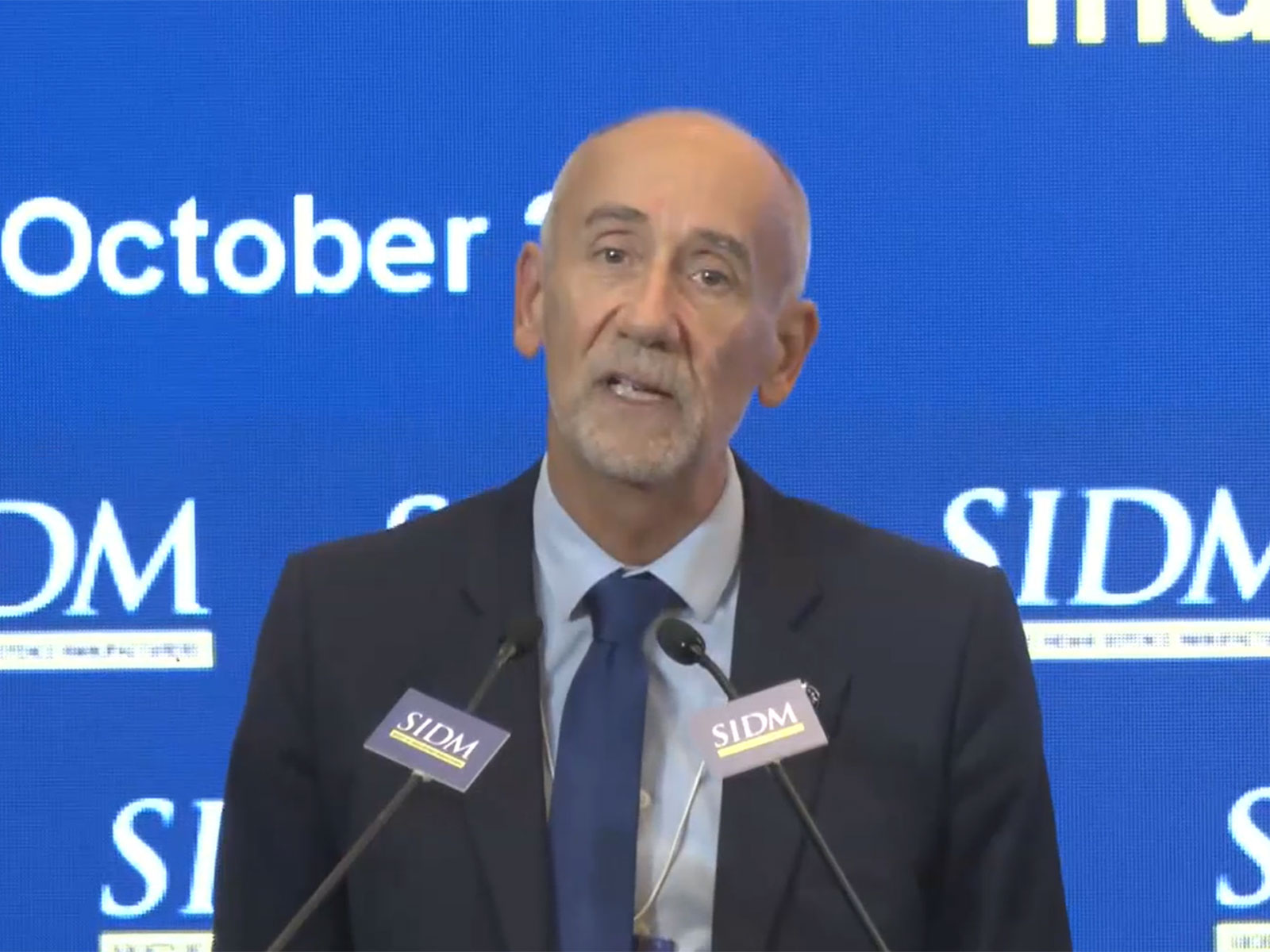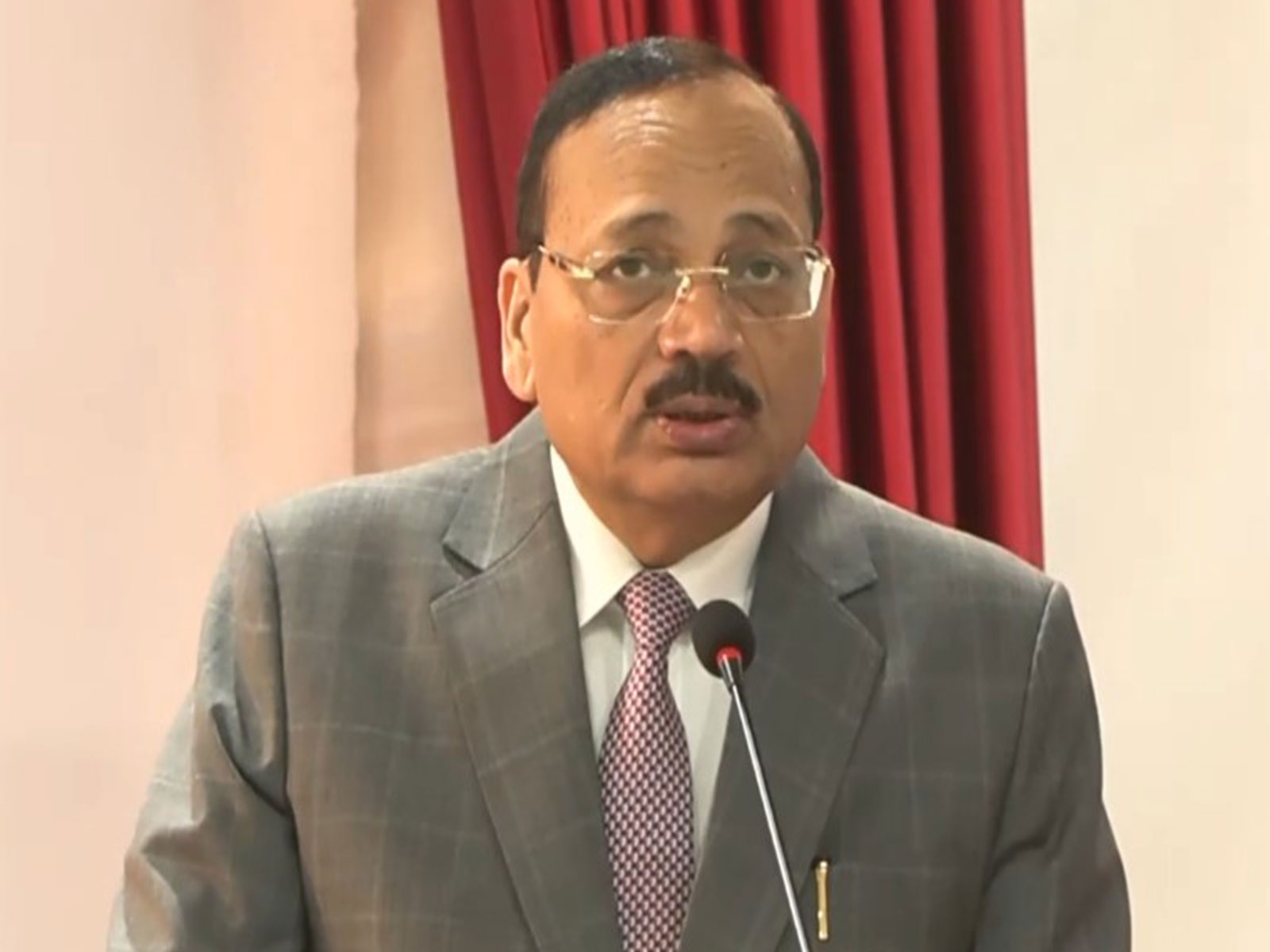
New Delhi [India], October 10 (ANI): European Union Ambassador to India Jean-Eric Paquet said the India-EU Free Trade Agreement (FTA) would be “an absolute game changer for India and Europe”, highlighting its potential to strengthen trade, investment and supply chains alongside deeper cooperation in defence and economic security.
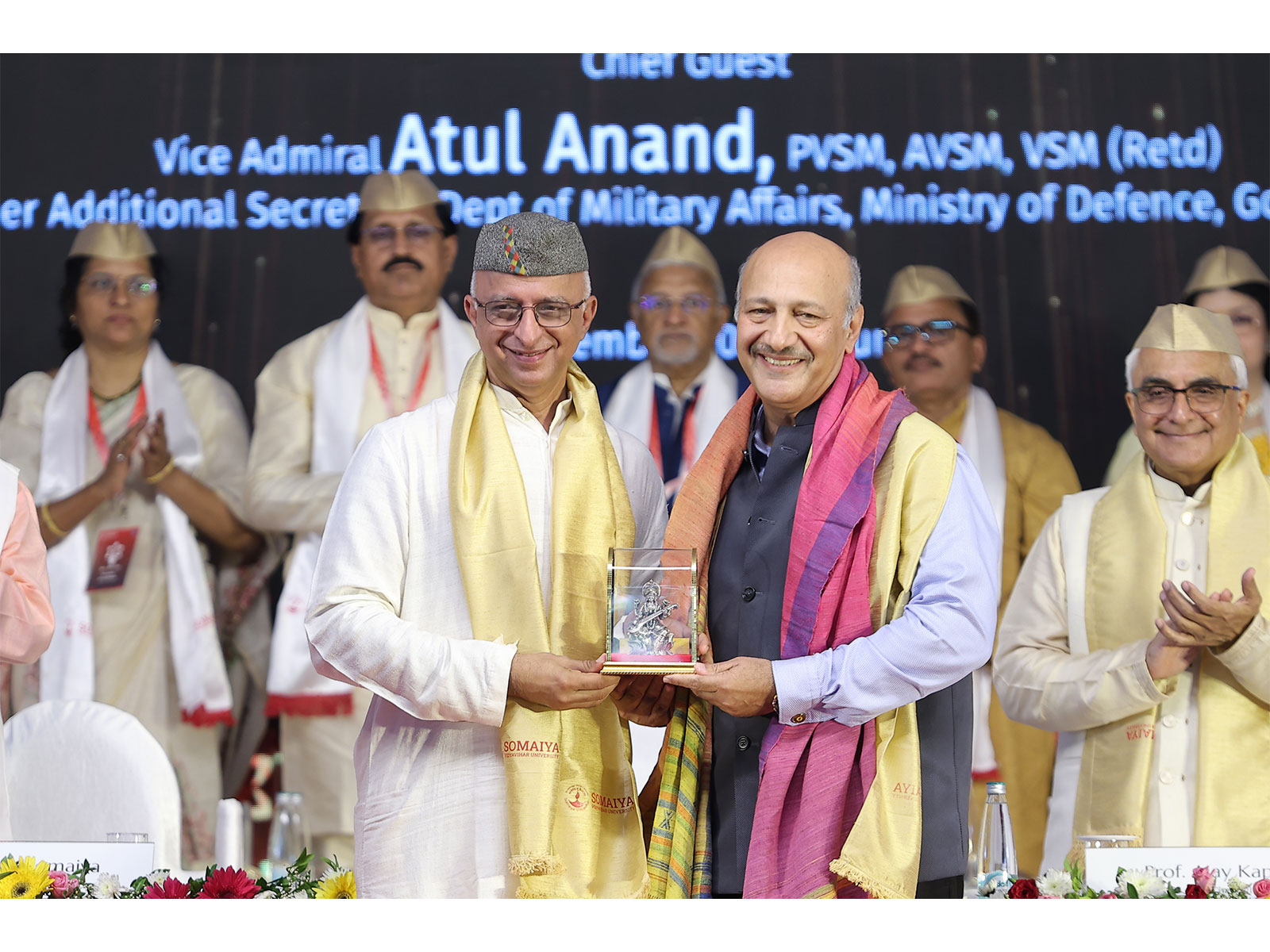
Addressing the Annual Session and Champion Awards 2026 of the Society of Indian Defence Manufacturers (SIDM) in New Delhi on Friday, Paquet said India and the European Union aimed to conclude the FTA by the end of 2026 and bring it into force in 2027.
“What lies ahead is the signing of the Free Trade Agreement. In principle, we aim to conclude the FTA by the end of this year and intend to bring it into force in the course of 2027. This is an absolute game changer for India and Europe,” he said.
Paquet said he hoped the FTA would be accompanied by an Investment Protection Agreement, which is currently under negotiation, adding that the two agreements could create a common economic space between India and Europe.
“Together, the FTA, the mother of all these initiatives and the Investment Protection Agreement would create a single economic space spanning India and Europe. Within this space, we could trade more freely, strengthen supply chains through trade and investment, make them more resilient and reduce strategic dependencies,” he said.
He added that India and Europe could also develop technologies together and cooperate on economic security and strategic chokepoints, ensuring that “India’s sovereignty and Europe’s strategic autonomy reinforce one another.”
Highlighting the relevance of these agreements to the defence sector, Paquet said, “The work we undertake to facilitate and strengthen our supply chains through the FTA and the Investment Protection Agreement would also greatly benefit our respective defence industries.”
The EU Ambassador also highlighted the India-EU Security and Defence Partnership, saying Prime Minister Narendra Modi and European leaders had recognised the need to expand cooperation beyond trade and economic ties amid the current geopolitical environment.
“In addition, Prime Minister Modi and European leaders have recognised that trade and economic cooperation are essential, but that our partnership needs to go further in today’s challenging geopolitical environment. We have therefore also entered into a Security and Defence Partnership. I believe this was a remarkable step taken in January,” he said.
Paquet said the partnership provides a framework for deeper security and defence dialogue at the ministerial level and offers another platform for Indian and European defence industries to strengthen their engagement.
“India purchases European defence equipment, and several EU member states have long-standing historical traditions of military and defence-industrial cooperation with India. Others are now beginning to develop such relationships, and we are seeing an increasing number of examples of European defence industries and member-state organisations engaging with Indian counterparts very productively,” he said.
Paquet also highlighted Europe's efforts to address its defence capability gaps by 2030 amid the ongoing Russia-Ukraine conflict, noting that European leaders had committed to mobilising 800 billion euros for the effort.
“Russia’s war of aggression against Ukraine is a major security challenge for Europe, extending beyond the conflict in Ukraine itself. Civilians continue to be killed every day by Russian strikes. Against this backdrop, European leaders decided last year that it was necessary to address Europe’s capability gaps by 2030. They committed to mobilising €800 billion to help close these gaps,” he said.
He said the scale of Europe's defence investment was placing significant demands on its defence industry, which was also supporting Ukraine and supplying equipment to European militaries.
“In this context, we need partners. I believe that is the key message I want to convey today. That is what the Security and Defence Partnership with India is about,” Paquet said, calling India an important partner in Europe's security efforts.
On the broader geopolitical environment, Paquet said security in Europe and the Indo-Pacific could not be viewed separately, pointing to Russia's partnerships with North Korea as an example of the links between the two regions.
“I think it is very clear and I saw this during my tenure in Japan that security in the Indo-Pacific is closely linked to security in Europe, and vice versa. It is very difficult to separate the two security theatres,” he said.
Turning to maritime security, Paquet said India and the European Union shared a vision of upholding freedom of navigation, with the United Nations Convention on the Law of the Sea (UNCLOS) serving as an important framework for cooperation.
He said disruptions in the Red Sea had demonstrated the impact of maritime insecurity on societies, economies and security, adding that both sides were discussing ways to improve coordination between their naval operations.
“We are now discussing ways to facilitate interactions between the Indian Navy and European operations, beginning with Operation Atalanta. I very much hope that, in the coming weeks, we will reach an administrative arrangement that facilitates interactions at sea between ships,” he said.
Paquet added that the possibility of expanding cooperation to joint patrolling would require further discussions, but said such coordination could provide significant added value.
He also called for closer sharing of maritime domain awareness data between India and Europe, stressing the need for their respective systems to communicate more effectively.
“I believe these systems need to communicate with one another much more effectively. That is another area in which we could make progress in the relatively short term,” he said. (ANI)
"Absolute game changer": European Union envoy Jean-Eric Paquet on India-EU FTA